As the demand for innovation in the electric vehicle sector grows, the electric golf cart industry stands at the forefront of this evolution. Leading industry expert, John Carter, notes, "Electric golf carts are not just a pastime anymore; they are a sustainable mobility solution." His insight reflects the changing perception surrounding these vehicles.
Electric golf carts have transitioned from luxury items to essential modes of transport in leisure settings. Their eco-friendly design appeals to both golf enthusiasts and environmentally conscious consumers. Buyers now seek more than just functionality; they desire advanced features and stylish designs.
The market in 2026 promises exciting options but also presents challenges. Quality and reliability remain necessary benchmarks. Manufacturers must balance cost and performance. As consumers become more discerning, the need for trust in electric golf cart brands increases. Finding that reputable product will be key for buyers wanting both functionality and appeal in their purchase.
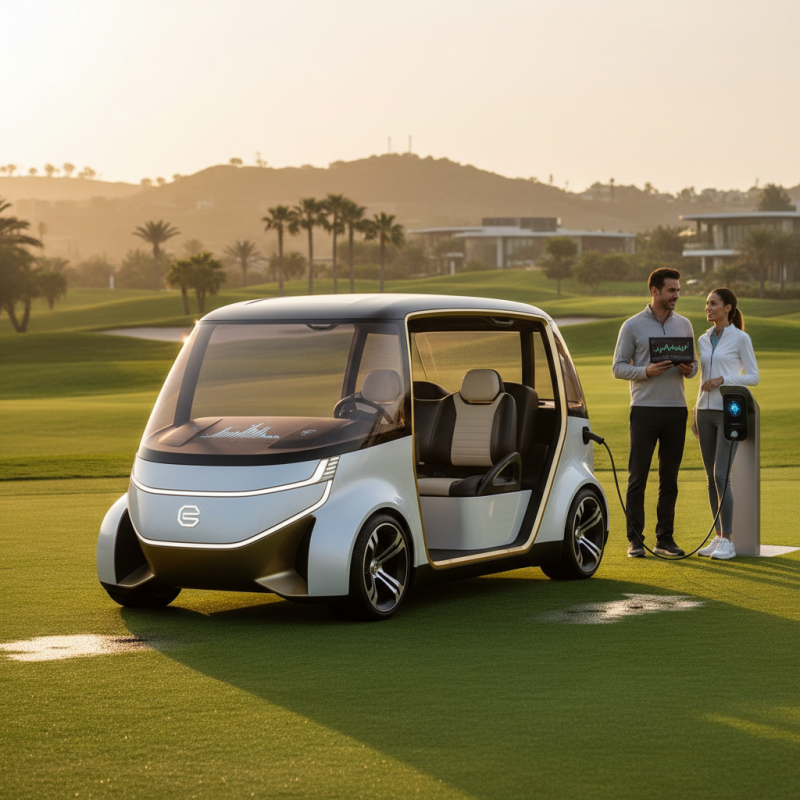
In 2026, the electric golf cart market shows significant growth. More consumers and golf courses are opting for eco-friendly options. This trend aligns with global efforts toward sustainable transportation. The shift is not only practical but necessary. Many golf courses are adopting electric carts to reduce their carbon footprint.
The integration of advanced technology is also noteworthy. Features like GPS tracking and smartphone connectivity are becoming standard. This enhances the overall user experience and adds a modern touch. However, not all manufacturers keep pace with innovation. Some struggle to offer the latest features, leading to mixed reviews among users.
Price remains a crucial factor influencing purchasing decisions. While some carts are affordable, high-quality models can be costly. Potential buyers often face confusion when comparing options. It is clear that the electric golf cart market in 2026 requires careful consideration. As the market matures, continued innovations and price fluctuations will shape buyer preferences.
When looking for the best electric golf carts in 2026, buyers must consider several key features. First, the design needs to balance aesthetics and functionality. Sleek lines and vibrant colors can attract customers, but comfort is essential. Spacious legroom and ergonomic seats enhance the user experience on the course.
Battery life is another crucial factor. Many carts now offer options for performance. Rechargeable batteries should provide at least 30 holes of gameplay. Quick charging capabilities can reduce downtime. Buyers may find some models lacking in this area, which could affect their decision.
Additionally, technology integration is becoming increasingly popular. Features like GPS navigation and Bluetooth connectivity enhance usability. However, not all carts have intuitive interfaces, making it challenging for some users. It's important to find a model that combines advanced tech with simplicity in operation. Overall, potential buyers should deeply evaluate these aspects before making a purchase.
The electric golf cart market is evolving rapidly. A recent report by ResearchAndMarkets predicts a growth rate of 8.5% annually through 2026. This trend highlights the increasing demand among global buyers. Chinese manufacturers are at the forefront, offering cost-effective solutions.
Various manufacturers are focusing on innovative designs and durable materials. According to the International Golf Cart Association, 30% of all golf carts sold in 2022 were electric. Competitive pricing is a key factor for many buyers. However, the quality of components can be inconsistent. Some manufacturers prioritize aesthetics over functionality, which can lead to short-term gains but long-term issues.
Furthermore, the supply chain challenges faced globally can impact production timelines. This creates a need for buyers to critically assess manufacturers before purchase. Reliability in parts and after-sales support is crucial. As more buyers enter the market, understanding these dynamics will become essential. The future of electric golf carts depends not just on innovation, but also on establishing trust and quality standards among manufacturers.
Electric golf carts are not just fun; they are also transformative for the environment. These vehicles run quietly and emit zero tailpipe pollution. This greatly reduces air pollution in golf courses and residential areas. Additionally, they minimize the ecological footprint compared to traditional gas-powered carts. The energy consumed by these electric carts is often generated from renewable sources, further enhancing their environmental credentials.
However, we must consider the entire lifecycle of electric golf carts. Manufacturing batteries, for instance, can have significant environmental impacts. The extraction of materials and energy for production can be resource-intensive. Disposal of old batteries presents another challenge. These factors underscore the need for sustainable production practices and effective recycling programs. It’s essential to strike a balance between innovation and environmental stewardship. Continuous improvement in battery technology and eco-friendly designs are crucial for a sustainable future in the golf industry.
| Model | Battery Type | Range (miles) | Charging Time (hours) | Eco-Friendly Materials | Recyclability (%) |
|---|---|---|---|---|---|
| Model A | Lithium-ion | 50 | 4 | Yes | 90 |
| Model B | Lead-acid | 40 | 6 | No | 70 |
| Model C | Lithium-ion | 55 | 5 | Yes | 95 |
| Model D | Lithium-ion | 60 | 4.5 | Yes | 88 |
The electric golf cart market is evolving rapidly. Many factors influence pricing strategies for global buyers. Production costs, battery technology, and demand fluctuations play a crucial role. Recently, manufacturers have focused on improving efficiency. Affordable pricing often compromises quality, which can be a concern for buyers.
Additionally, cost-effectiveness remains a critical aspect. Buyers seek carts that provide value over time. Efficient models can lead to significant savings in maintenance and charging. It is essential to assess the total cost of ownership. Sometimes, cheaper options may not deliver long-term benefits. This requires careful evaluation of features and warranty options.
Innovations also impact pricing. Advanced technology can increase upfront costs. However, these features may enhance performance and durability. Buyers should weigh the benefits against initial investments. In a competitive market, understanding these dynamics is vital for making informed choices in 2026. Buying a golf cart requires thoughtful consideration to balance cost and performance effectively.
: The market is growing due to eco-friendly options. More consumers choose electric carts to reduce their carbon footprint.
They emit zero tailpipe pollution. This greatly reduces air pollution around golf courses and residential areas.
Manufacturing batteries has environmental impacts. Resource extraction and battery disposal are significant concerns.
Price influences buyers' decisions significantly. Affordable carts can sometimes sacrifice quality, leading to confusion.
Consider the total cost of ownership. Cheaper options may not deliver long-term benefits or value.
Features like GPS tracking and smartphone connectivity enhance user experience. However, not all manufacturers innovate at the same pace.
Many factors affect pricing, including production costs and demand fluctuations. Buyers must understand these dynamics.
Yes, sustainable production practices are essential. Continuous improvement in battery technology is crucial for the environment.
While tech can raise upfront costs, it may enhance performance and durability. Weigh these benefits against initial investments.
Buyers need to consider features, quality, and long-term costs. Thoughtful evaluation is key to making the right choice.
The article "China Best Electric Golf Carts for Global Buyers in 2026?" delves into the emerging trends in the electric golf cart market, highlighting significant advancements expected in the year 2026. It discusses key features that global buyers should consider when selecting electric golf carts, including battery efficiency, comfort, and technological integrations. Additionally, a comparative analysis of various Chinese manufacturers reveals their diverse offerings and competitive edge in the global market.
Moreover, the article emphasizes the environmental benefits and sustainability of electric golf carts, shedding light on their reduced carbon footprint compared to traditional gas-powered options. Pricing strategies are also explored, illustrating how cost-effectiveness plays a crucial role in making electric golf carts accessible to a broader audience. Overall, this overview serves as a valuable insight for potential buyers looking to invest in electric golf carts in the near future.

XXCART