Choosing a China-based Golf Cart Wheels supplier can affect vehicle fit, ride comfort, maintenance costs, and delivery schedules. For global buyers, the “best” partner is not simply the factory with the lowest quoted price. It is a supplier that can explain wheel dimensions, bolt patterns, load ratings, materials, and finish options with clear documentation. Small details matter. A mismatched offset can cause trouble. So can an unclear load rating. Both may be missed in catalog photos. Buyers should compare sample quality, inspection procedures, packaging, production capacity, and responsiveness—not just polished product images.
This guide explores practical ways to evaluate suppliers and prepare useful questions before requesting a quote. It considers how to check product specifications, assess manufacturing and quality-control information, and discuss customization, order quantities, lead times, and shipping arrangements. Ask for records that support a supplier’s claims, and confirm that samples match the specifications being quoted. Even careful checks leave room for error; one sample may not represent every production batch. A lower price may look attractive, but it deserves closer review if key details are vague. There is no single supplier that suits every buyer. The right choice depends on vehicle requirements, order size, target market, and the level of support needed after delivery.
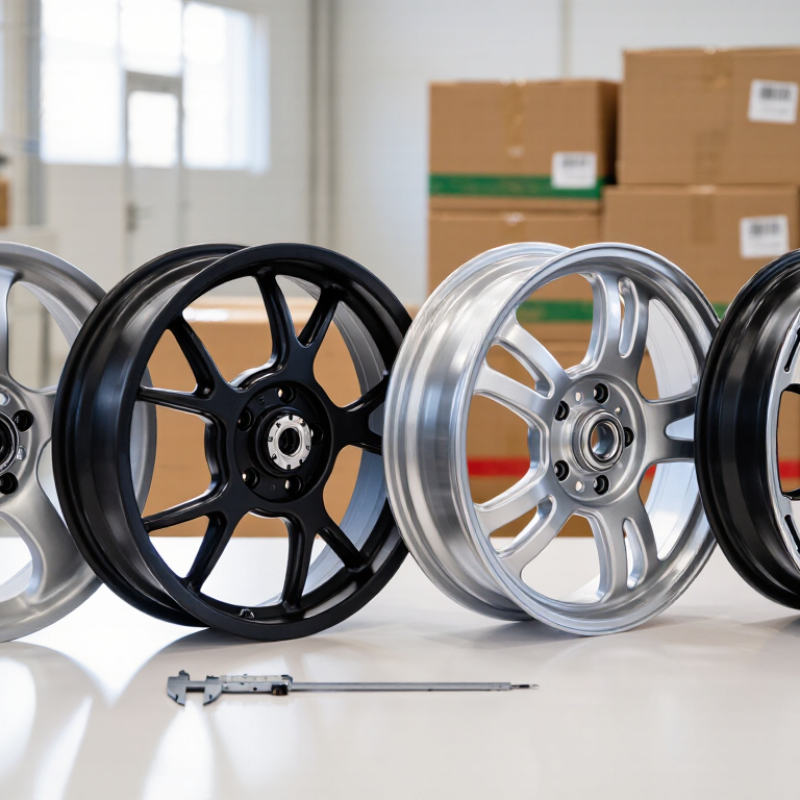
Golf cart wheels are the metal or alloy assemblies that hold the tires and attach them to the hubs. The tire meets the ground; the wheel supports it and transfers loads from the cart to the surface. Together, they help the vehicle roll, turn, and remain stable on paths, turf, or paved areas. Small parts matter.
Wheel dimensions and mounting details affect fit. Diameter, width, offset, bolt pattern, and load capacity should match the cart and its intended use. A mismatch may cause rubbing, uneven tire wear, or added strain on components. Check the vehicle’s specifications before choosing a replacement. Fit comes first.
Wheels also influence clearance, steering feel, and ride comfort, though tires have a major role in grip and cushioning. A broader setup may look confident, yet it can change handling or clearance. That trade-off deserves a closer look. In routine use, inspect for bends, cracks, corrosion, and loose fasteners; follow the specified tightening procedure. Appearance is easy to notice. Structural condition is more important.
Global buyers source golf cart wheels from China for more than price. The country’s manufacturing network connects metal forming, machining, finishing, and export services. UNIDO’s International Yearbook of Industrial Statistics reports that China accounted for about 30% of global manufacturing value added in 2022. That scale can give buyers more supplier options, from cast aluminum wheels to steel designs, and make specification changes easier to discuss.
A useful inquiry includes the bolt pattern, hub bore, offset, load rating, and finish. Small details matter.
Export capacity is another factor. The WTO’s World Trade Statistical Review 2023 puts China’s share of global merchandise exports at 14.4% in 2022. This broad trade footprint can support regular shipments and consolidated orders, though it does not guarantee fast delivery or consistent quality.
Not always.
Buyers should request dimensional drawings, material details, and test records, then compare samples against the cart’s actual fitment and operating conditions. A low quotation can still hide mismatched specifications or added inspection costs.
That deserves a closer look.
Sourcing from China can offer choice and production flexibility, but the best results depend on clear technical communication and supplier verification.
Chinese suppliers commonly offer steel and aluminum alloy golf cart wheels. Steel wheels suit utility carts and frequent work on rough paths. They are sturdy, though their extra weight can affect ride feel. Aluminum alloy wheels are lighter and available in polished, painted, or machined finishes. They can sharpen a cart’s appearance. Lighter is not always better.
Buyers may also find cast and forged wheel options. Cast wheels allow varied spoke shapes and price points, while forged wheels are made under pressure and can offer high strength with less material. Availability depends on the supplier. Wheel diameters, widths, offsets, and bolt patterns vary, so a photo alone is not enough to confirm fit. Tire clearance matters too, especially when a cart has been lifted.
Before ordering, match the wheel specifications to the cart model and intended tire size. Ask for the load rating, center bore, bolt pattern, and finish details in writing. A sample can reveal coating quality and machining marks that catalog images hide. One common misstep is choosing by style first. That is tempting, but it can lead to rubbing or poor fit. Even a well-made wheel cannot fix an incorrect offset.
Choosing golf cart wheels starts with fit, not appearance. Ask suppliers for wheel diameter, width, offset, bolt pattern, and center-bore measurements. Compare these with the cart manual or measure an existing wheel carefully. Small errors matter. A wheel that looks right may rub the fender during a tight turn. Request a drawing or sample before ordering in volume, especially if carts carry different loads or use varied tires.
Supplier quality needs evidence you can check. Ask how rims are formed and finished, and whether each production lot receives dimensional inspection. For steel wheels, inspect weld consistency and coating coverage. For aluminum wheels, request material details and load-rating records. A simple incoming check can reveal uneven holes, rough edges, or shipping damage. Keep photos and batch numbers. Paperwork helps, but it cannot replace handling a sample.
Check that test reports match the exact wheel size and intended application, rather than a similar model. Request material declarations, load-capacity data, and conformity documents relevant to the destination market. Verify document dates and issuing details where possible. Requirements can vary by country and vehicle category, so do not assume a supplier knows your local rules. Buyers sometimes rush this step. Allowing extra review time is sensible, though even a careful checklist can miss a detail.
Ordering golf cart wheels starts with fitment, not appearance. Confirm wheel diameter, width, bolt pattern, center bore, and offset against the cart manual or existing wheel. A wheel that looks right can still rub a fender or reduce clearance. Measure twice. Ask the supplier for a dimensioned drawing, load rating, finish options, and written confirmation of the selected specifications. If tires are included, verify their size and whether they arrive mounted. A sample can help with repeat orders, though it adds time and cost. That trade-off is easy to underestimate.
Before payment, request an invoice showing the agreed specifications and quantities. Confirm the shipping term, dispatch window, pallet dimensions, gross weight, and who arranges insurance. A quote based only on unit price may leave handling or last-mile charges unclear. For sea freight, ask how the wheels are separated and secured; rims can get scratched when parts shift. Crates matter. Request packing photos, a packing list, and tracking details before dispatch. Check import-document requirements with your freight agent, as these vary by destination. On arrival, photograph dents, missing pieces, or mismatched sizes before installation. Careful planning cannot remove every delay, so allow a practical buffer for urgent replacements.
These are commonly offered wheel diameters, not a fitment recommendation. Before ordering, confirm the cart’s bolt pattern, offset, load rating, and tire compatibility. For shipping, verify packed dimensions, weight, quantity per carton, and delivery terms with the supplier.
They support the tires and connect them to the cart’s hubs. They transfer weight to paths, turf, and paved surfaces. Small parts matter.
Check diameter, width, offset, bolt pattern, center bore, and load rating. Compare them with the cart manual or existing wheels. Measure twice.
Steel wheels are sturdy and suit utility carts on rough paths, but they weigh more. Aluminum alloy wheels are lighter and come in finishes such as polished or painted. Lighter is not always better.
Cast wheels offer varied spoke shapes and price points. Forged wheels can provide high strength with less material. Availability and fit depend on the supplier and cart.
A broader setup may change steering feel, clearance, or ride comfort. It can also cause rubbing if the offset or tire size is wrong. Looks can mislead.
Request a dimensioned drawing, load rating, finish details, and written confirmation of the specifications. If tires are included, confirm their size and whether they arrive mounted. A photo is not enough.
Ask about dispatch timing, shipping terms, pallet dimensions, gross weight, insurance, and possible handling charges. For sea freight, confirm how the wheels will be separated and secured. Crates matter.
Photograph dents, missing pieces, or mismatched sizes before installation. Keep the packing list and tracking details available. Some delays remain hard to predict, so allow extra time for urgent replacements.
Golf Cart Wheels play an important role in supporting vehicle weight, maintaining stability, and contributing to a comfortable ride across different surfaces. Buyers sourcing from China can compare a wide range of wheel styles, materials, finishes, and sizes, often with options suited to different golf cart models and operating conditions. Choosing the right product starts with confirming dimensions, bolt patterns, load capacity, and tire compatibility rather than relying on appearance alone.
Before placing an order, global buyers should assess a supplier’s manufacturing consistency, quality-control practices, product documentation, and ability to meet relevant market requirements. Clear communication about customization, sample checks, minimum order quantities, pricing, and lead times can help prevent mismatches. Shipping plans should also account for packaging, freight costs, delivery schedules, and import procedures, making it easier to balance product quality, compatibility, and total landed cost.

XXCART