Choosing the right Gas Golf Cart can feel overwhelming. With various models and features, it’s easy to get lost in the choices. Expert John Smith, a renowned golf cart dealer, states, “Finding the right gas golf cart is about matching your lifestyle and needs.” This insight underscores the importance of personal requirements.
When selecting a Gas Golf Cart, consider your primary use. Are you using it for golf, leisure, or transportation? Think about the terrain you'll cover. Carts designed for hilly areas need different features than those for flat surfaces. Evaluating fuel efficiency is another crucial aspect. Higher gas mileage means less frequent refueling.
Pay attention to available features. Some carts offer advanced technology, while others focus on comfort. Look for comfortable seating and adequate storage. Reflect on your past experiences with carts. What worked? What didn’t? This reflection helps narrow down preferences. Remember, the perfect Gas Golf Cart isn’t just about the price; it’s about how well it fits your life.
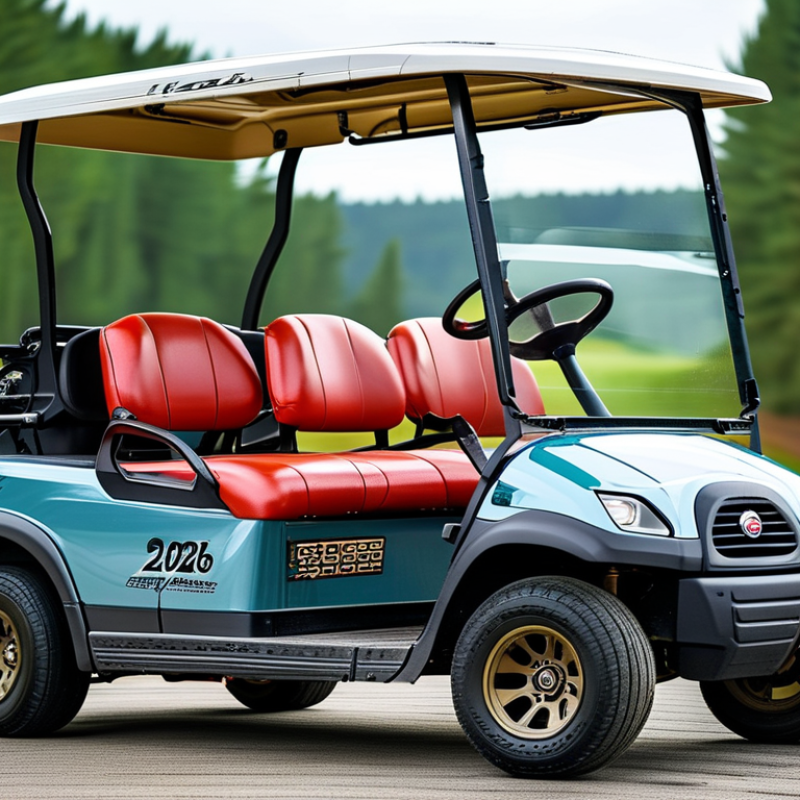
Understanding the Basics of Gas Golf Carts and Their Mechanisms
Gas golf carts are popular for their simplicity and efficiency. Understanding their basic mechanisms helps users make informed decisions. Most gas carts operate using a four-stroke engine. This engine type provides fuel efficiency and lower emissions. They typically run quieter than electric models, which can enhance the golfing experience.
Key components include the engine, carburetor, and fuel system. The engine converts fuel into mechanical energy. Meanwhile, the carburetor mixes air and fuel, optimizing performance. It's crucial to maintain these parts regularly. Neglecting maintenance can lead to issues like sluggish performance or increased fuel consumption. Users should also consider the terrain they'll navigate. Some carts perform better on flat surfaces, while others handle inclines well.
Choosing the right golf cart also depends on personal needs. Think about how often you'll use it. Frequent users may need something durable and reliable. Casual users might prioritize comfort and style. Evaluating your requirements is essential. Not every gas cart suits every golfer. Take time to research and understand your choices.
Evaluating Your Usage Needs: Recreational vs. Utility Purposes
When choosing a gas golf cart, it’s crucial to evaluate your specific usage needs. Are you looking for a cart for recreational use, such as at a golf course or community events? Or will it serve more utility purposes, like hauling tools and supplies on your property? Understanding these distinctions is critical for making an informed decision.
According to industry reports, recreational golf carts often prioritize comfort and style. They may feature upgraded seating and aesthetics. A cart designed for utility purposes, however, typically offers more rugged construction. These models may provide greater power and load capacity, necessary for practical tasks like landscaping or on-site work. Over 70% of users indicate that performance significantly influences their buying choices.
Consider how often you plan to use the cart. Occasional use might justify a more stylish recreational model. Frequent users involved in labor-intensive activities would benefit from a sturdy utility cart. Underestimating your needs can lead to dissatisfaction later. It’s essential to match the cart's capabilities with your intended usage to ensure you make a wise investment. If your requirements change over time, you may need to reevaluate your choice.
2026 How to Choose the Best Gas Golf Cart for Your Needs?
| Feature |
Recreational Use |
Utility Use |
| Passenger Capacity |
2-4 Passengers |
4-6 Passengers |
| Top Speed |
15-20 mph |
20-25 mph |
| Terrain Capability |
Flat, Paved Surfaces |
Hilly, Rough Terrain |
| Storage Space |
Minimal |
More Ample |
| Fuel Efficiency |
20-25 mpg |
15-20 mpg |
| Typical Applications |
Golf Courses, Parks |
Yard Work, Maintenance |
Key Features to Consider When Choosing a Gas Golf Cart
When selecting a gas golf cart, several key features are essential to consider. First, engine performance is crucial. Most gas golf carts feature engines ranging from 9 to 14 horsepower. According to industry reports, a stronger engine can enhance both speed and torque, making it suitable for hilly terrains.
Another vital aspect to examine is fuel efficiency. Many newer models achieve around 25-30 miles per gallon. A gas golf cart with better fuel efficiency not only saves you money but also reduces the need for frequent refueling.
Tip: Always check the cart's specifications for fuel tank size and consumption rates. This information is often available in product manuals.
Comfort should not be overlooked. Look for carts that provide ample seating, cushioning, and ergonomic design. Many models now include modern features like LED headlights and USB ports, adding to the convenience.
Tip: Test drive a few options. Comfort may differ based on your size and preferences.
Finally, consider the cart's warranty and customer support. A warranty of at least two years is common and indicates the manufacturer's confidence in their product.
Tip: Research customer reviews to gauge reliability and service experiences. This insight can lead to a more informed decision.
Comparing Different Brands and Models of Gas Golf Carts
Choosing the right gas golf cart involves understanding various brands and models. Each option has unique features and performance qualities. Some carts excel in speed, while others prioritize fuel efficiency. Evaluating your specific needs can help narrow down your choices.
It is essential to consider the intended use of the cart. Will it be for casual outings or more rugged terrain? Many brands offer models that cater to differing needs. Pay attention to details like engine size, seating capacity, and cargo space. A cart that fits your lifestyle and requirements will ultimately enhance your experience.
When comparing models, it helps to review user feedback. Some users report engine issues with specific models, while others praise their reliability. Recognizing these patterns can save you time and money. It's also vital to assess local service options. Repair and maintenance accessibility can greatly affect your ownership experience. Look for carts that offer warranty or service plans. This could save you from unexpected costs down the line.
Budgeting: Factoring in Initial Costs and Long-Term Maintenance Expenses
When selecting a gas golf cart, budgeting is crucial. The initial cost can vary significantly based on features and specifications. Prices often range from a few thousand to over ten thousand dollars. It's essential to determine how much you're willing to invest upfront. Consider what features matter most to you, whether it's seating capacity, storage, or speed. You want something that suits your style and practical needs.
Long-term maintenance expenses also play a vital role. Gas golf carts require regular maintenance, which includes oil changes and servicing the engine. These recurring costs can add up over time. For instance, budgeting an additional few hundred dollars annually for upkeep is a smart move. Remember to account for fuel expenses as well. Gas prices fluctuate and can impact your running costs significantly.
Reflecting on your usage will help guide your choice. If you plan to use it frequently, investing in a reliable, well-maintained model might save you headaches later. However, if usage is limited, a less expensive option could suffice. Balancing initial costs with potential long-term expenses requires careful thought. Addressing both aspects will lead you to a better choice for your needs.
Comparison of Initial and Long-Term Maintenance Costs for Gas Golf Carts
This chart illustrates the initial costs and long-term maintenance expenses associated with gas golf carts, helping you to understand the financial commitments involved in your purchase.
Conclusion
When selecting the best gas golf cart for your needs, it’s essential to understand the fundamentals of these vehicles, including their mechanisms and operational efficiency. Assess your intended usage—whether for recreational activities on the course or practical utility tasks—which will significantly influence your choice.
Key features such as engine performance, durability, and passenger capacity should also be considered, ensuring the gas golf cart meets your specific requirements. Additionally, comparing various models and brands can provide insight into different performance ratings and customer reviews. Finally, budgeting for both the initial purchase price and long-term maintenance costs is crucial for making a sound investment in a gas golf cart that fits your lifestyle and financial plans.

 XXCART