In recent years, custom golf carts have gained significant popularity among golf enthusiasts and leisure seekers alike. These personalized vehicles are not merely functional; they are an extension of one's personality and lifestyle. Today, golfers want more than just basic transportation on the course. They crave unique designs and features that reflect their individual styles.
The rising trends in custom golf carts showcase an impressive blend of aesthetics and performance. From vibrant custom paint jobs to luxurious interiors, the opportunities for personalization are virtually limitless. These additions can elevate the golfing experience, making every round memorable. However, as trends evolve, it's essential to consider which customizations are genuinely practical versus those that may be merely sensational.
Understanding the latest trends enables consumers to make informed choices when investing in custom golf carts. With so many options available, navigating this market requires both creativity and discernment. Embracing these changes can enhance the joy of golf while ensuring your cart stands out on the course.
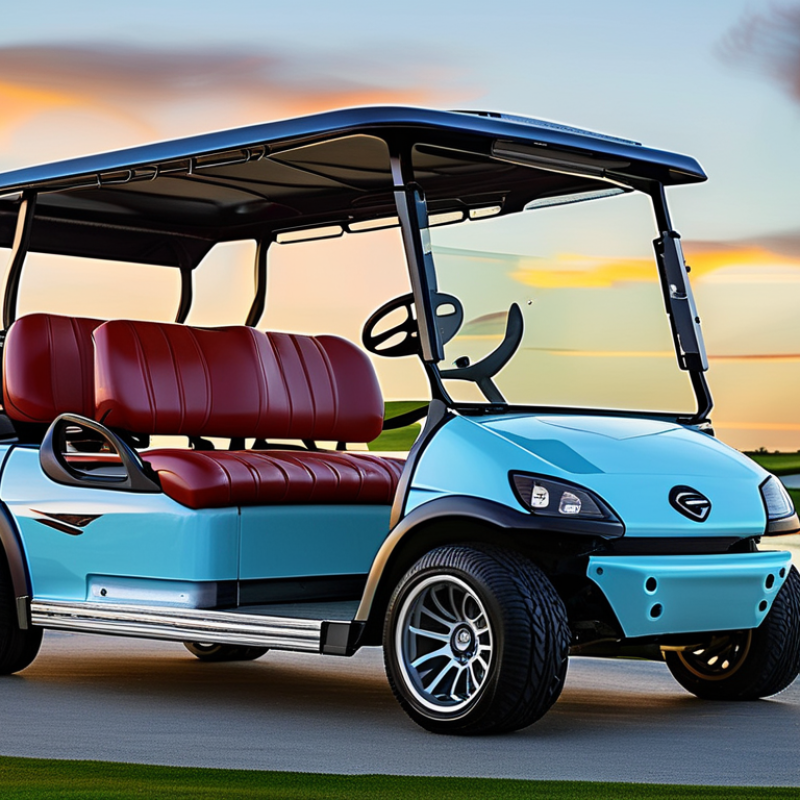
Custom golf carts have evolved significantly in recent years. They are no longer just simple vehicles for transportation on the course. Golfers want carts that reflect their personality and style. One noticeable trend is the use of vibrant colors and unique designs. Custom paint jobs, wraps, and decals allow for a personalized touch.
Another emerging trend involves incorporating technology. Many golf carts now feature Bluetooth speakers, GPS systems, and USB charging ports. These features enhance the golfing experience. Some carts even come with built-in coolers for refreshments. As technology advances, golfers seek more functionality from their carts.
Sustainability is also becoming more prominent. Electric golf carts are gaining popularity due to their eco-friendly nature. This shift reflects a broader awareness of environmental issues. Custom golf carts can also be fitted with solar panels for extra power. These trends show a move towards innovation and responsibility in golf cart design.
| Trend | Description | Popularity (%) |
|---|---|---|
| Eco-Friendly Designs | Increasing use of sustainable materials and electric engines. | 35% |
| Luxury Features | Addition of high-end seats, entertainment systems, and premium finishes. | 25% |
| Customization Options | Wide range of colors, graphics, and accessories allowing for personal expression. | 40% |
| Smart Technology Integration | Incorporation of GPS, Bluetooth, and mobile app controls. | 30% |
| Enhanced Safety Features | Addition of seatbelts, lights, and turn signals for improved safety. | 20% |
| All-Terrain Capability | Designs that allow for use on various terrains beyond just golf courses. | 15% |
| Vintage Styles | Retro designs gaining popularity for unique aesthetic appeal. | 10% |
| Mobile Golf Carts | Carts designed for easy transport and mobile setup at golf events. | 12% |
| Functionality Enhancements | Additional storage spaces and multi-functioning designs. | 18% |
| Eco-Friendly Accessories | Use of biodegradable materials and solar charging options for carts. | 22% |
: Custom golf carts now feature vibrant colors and unique designs. Personalization through paint jobs and decals is popular.
Modern golf carts include GPS, Bluetooth speakers, and USB ports. These features enhance the golfing experience significantly.
Electric carts are eco-friendly and quieter than traditional models. They also lower operational costs, drawing more buyers.
High initial costs can deter buyers. Additionally, some areas lack charging infrastructure, complicating usage.
Test smart features before buying. Assess their compatibility with your playing style to avoid frustration.
Check the longevity of software updates and ongoing support from manufacturers when purchasing a technology-integrated cart.
Custom golf carts have evolved significantly, reflecting current trends that prioritize personalization, sustainability, and technology. Enthusiasts now have a plethora of options when customizing their carts, including various colors, unique designs, and an array of accessories that allow them to express their individuality on and off the golf course. Moreover, the shift towards electric golf carts highlights a growing commitment to sustainable solutions, making them an environmentally friendly alternative in recreational transportation.
In addition to traditional uses on the golf course, custom golf carts are being embraced for unique applications, including events, neighborhood transport, and commercial services. The integration of smart technology further enhances the functionality of modern golf carts, featuring innovations that cater to the needs of users while providing convenience and efficiency. As trends continue to evolve, custom golf carts are setting a new standard in both style and practicality.

 XXCART