Top Electric Golf Carts For Sale What Buyers Need to Know

Time:2026-10-24 Author:Mason
0%

Choosing among Electric Golf Carts For Sale requires more than comparing colors and advertised speeds. Buyers should examine battery type, driving range, motor output, charging time, seating, and terrain suitability. A cart that performs well on flat pavement may struggle on steep paths or loose gravel.

“Buyers should match the cart to their daily route, not just its appearance,” says Daniel Harper, an electric golf-cart purchasing consultant with experience evaluating residential and commercial models. His advice is practical. A four-seat cart may seem ideal, but extra passengers reduce available range. Larger tires improve ground clearance, yet they can increase power consumption. Small details matter.

This guide, Top Electric Golf Carts For Sale: What Buyers Need to Know, explores those decisions clearly. It considers new and refurbished carts, lithium-ion and lead-acid batteries, warranty coverage, maintenance needs, and realistic ownership costs. A shiny dashboard does not guarantee dependable performance.

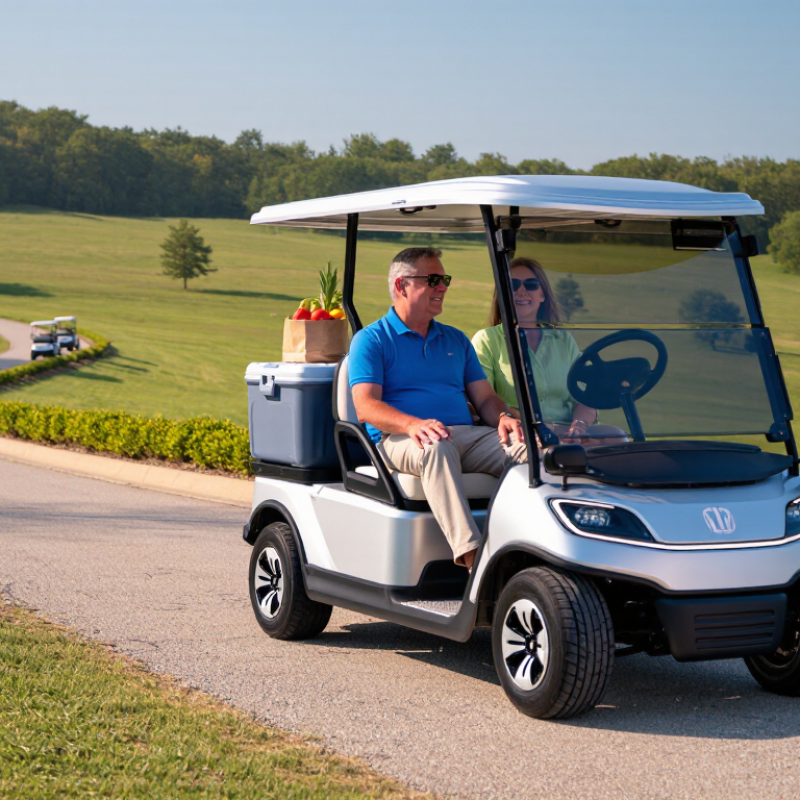
Think about a quiet morning ride. The cart carries two adults, groceries, and a small cooler. Can it climb the return road without losing power? Can the battery finish the trip without an emergency charge?

Some buyers focus too heavily on top speed. That can be a mistake. Range, braking performance, charging access, and replacement-part availability often matter more. Even experienced buyers may overlook local service support. No model is perfect. The right choice depends on honest expectations, usable specifications, and the conditions the cart will face every week.
Top Electric Golf Carts For Sale What Buyers Need to Know

Classify Golf Carts vs. LSVs: NHTSA Sets LSV Speed at 20–25 mph

When comparing top electric golf carts for sale, buyers should separate golf carts from low-speed vehicles, or LSVs. The difference is not only the speedometer reading. Under NHTSA’s federal definition, an LSV is designed to travel at more than 20 mph but not above 25 mph on level pavement. It must also meet required safety equipment standards.

A typical golf cart may operate below 20 mph and often lacks road-ready equipment. An LSV generally needs seat belts, lamps, turn signals, mirrors, a windshield, reflectors, and other required features. Check the certification label and vehicle identification number before purchasing. A seller’s phrase like “street legal” is not enough evidence. Ask for written specifications.

Local rules still matter. A road may prohibit LSVs, limit them to certain speed zones, or require registration, insurance, and a valid driver’s license. Rules can change across neighboring towns. That detail is easy to miss.

Inspect the battery compartment, charging system, brakes, tires, steering, and frame. A quiet motor can hide expensive battery wear. Ask how the cart was stored and serviced. I would not rely on a short test drive alone. A cart that feels smooth on a private path may behave differently near traffic. Classification charts help, but they are not perfect substitutes for official records and local transportation rules.

Compare Battery Choices: 36/48V Lead-Acid vs. Lithium-Ion Systems

36V Systems

Choosing between 36V and 48V systems starts with daily use, not the advertised range. A 36V lead-acid pack usually costs less upfront. It also weighs heavily and loses noticeable power near discharge.

48V Systems

A 48V system sends the same power with less current, which can reduce cable losses and improve hill performance. The difference feels clear on slopes or when carrying four passengers.

Lithium-ion packs cost more, but they provide steadier voltage and usually remove frequent water checks. They are also much lighter. The International Energy Agency reported lithium-ion battery prices at about $139 per kWh in 2023, showing why chemistry remains a major cost factor. That figure covers broader electric-vehicle markets, not golf carts, so direct price comparisons can mislead. The U.S. Department of Energy’s Vehicle Technologies Office identifies lithium-ion systems as energy-dense and efficient, but charging controls remain essential.

Lead-acid batteries tolerate simpler replacement planning. Yet, deep discharges and poor watering habits shorten their service life. Lithium systems can deliver more usable capacity, but only with a compatible charger and battery-management system.

Do not assume “48V” means faster everywhere. Motor condition, tire pressure, terrain, payload, and controller settings matter too.

A cart used for short, flat trips may not recover lithium’s higher purchase price quickly. That assumption can be wrong. Ask for cycle-life testing, usable amp-hours, charger specifications, and warranty terms before choosing.

Assess Range and Power: Motor Output, Load, Terrain, and Battery Ah

When comparing electric golf carts for sale, range should be tested against your real route, not a showroom promise. A cart carrying two adults on level pavement uses less energy. Wet grass and a loaded cargo bed demand more power. Motor output matters here. Higher output can maintain speed on hills, but it may draw more current. Compare rated output, not only peak claims. This trade-off is easy to overlook.

Battery capacity, measured in amp-hours (Ah), describes stored electrical charge. It is useful, but Ah alone does not predict distance. Voltage, battery age, temperature, tire pressure, and controller settings also affect usable energy. In my experience, underinflated tires can make a modest trip feel surprisingly expensive. Ask for the battery’s voltage, rated Ah, age, and test method. A printed range needs context.

Match the cart to its hardest regular task. For flat paths and light loads, a moderate motor and healthy battery may be sufficient. Steep courses, frequent passengers, or hauling equipment justify stronger output and more battery reserve. Do not judge hill performance from a short parking-lot drive. I once treated a range estimate as dependable, and that was too optimistic. A practical test should include the actual incline, payload, and stopping pattern. Leave some reserve; running near empty repeatedly can reveal battery weakness sooner.

Check Safety and Compliance: NHTSA FMVSS 500 Equipment Requirements

When comparing electric golf carts for sale, determine whether the vehicle is a conventional cart or a low-speed vehicle. NHTSA FMVSS No. 500 applies to qualifying four-wheeled vehicles designed for speeds above 20 mph but not over 25 mph. A standard golf cart may not meet this classification.

Look closely at the certification label. It should identify the manufacturer, vehicle type, and applicable compliance information. The vehicle should include two headlamps, front and rear turn signals, taillamps, stop lamps, and red rear reflex reflectors. It also needs a parking brake, a windshield, and required rearview mirrors. Check for a visible 17-character VIN. Small details matter.

Test every lamp before purchase. Walk around the cart while another person operates the controls. Confirm that the brake lamps respond quickly and that the parking brake holds on a slight incline. Inspect the windshield for proper construction, not just clear plastic. That shortcut can be easy to miss.

Ask the seller for compliance records, not vague promises. NHTSA does not personally approve individual vehicles, so claims like “NHTSA certified” deserve careful questioning. A certification label and complete documentation provide stronger evidence. State registration, road-use rules, and equipment requirements may still differ. This part is often overlooked. A careful buyer should verify local requirements before driving on public roads.

Top Electric Golf Carts For Sale: What Buyers Need to Know — Check Safety and Compliance: NHTSA FMVSS 500 Equipment Requirements
Safety or Compliance Item FMVSS 500 Buyer Requirement What to Inspect Before Purchase Why It Matters Buyer Status
Vehicle Classification A low-speed vehicle generally has four wheels, a maximum speed of more than 20 mph but not more than 25 mph, and a gross vehicle weight rating of less than 3,000 pounds. Review the vehicle label, documentation, rated speed, number of wheels, and gross vehicle weight rating. Do not assume every electric golf cart is an LSV. FMVSS 500 applies to qualifying low-speed vehicles, while local rules may treat non-LSV golf carts differently. Confirm before buying
Headlamps Required on a qualifying low-speed vehicle for forward illumination and visibility. Check that both headlamps illuminate correctly, are securely mounted, and have functional high- and low-beam settings where fitted. Proper lighting improves nighttime visibility and helps other road users identify the vehicle. Required equipment
Front and Rear Turn-Signal Lamps Required directional signal lamps must be installed at the front and rear of the vehicle. Activate left and right signals separately. Confirm that the lamps flash at a consistent rate and that the dashboard indicator operates if provided. Signals communicate lane changes and turns to surrounding traffic. Required equipment
Tail Lamps Required rear lamps must display a red light to make the vehicle visible from behind. Inspect both rear lamp housings, lenses, wiring, and operation with the lighting system switched on. Tail lamps increase rear visibility, especially in darkness, rain, and low-light conditions. Required equipment
Stop Lamps Required brake-activated lamps must illuminate when the service brake is applied. Press the brake pedal while another person observes the rear lamps. Check for delayed activation, flickering, or damaged lenses. Brake lamps warn following traffic that the vehicle is slowing or stopping. Required equipment
Reflex Reflectors Required reflex reflectors must provide visibility when illuminated by another vehicle’s headlamps. Look for securely mounted, clean, undamaged reflectors at the required locations. Reflective tape alone should not be treated as proof of compliance. Reflectors help other drivers recognize the vehicle when its lamps are not directly visible. Required equipment
Parking Brake A functional parking brake is required to hold the vehicle stationary when parked. Engage the parking brake on a safe, slight incline and verify that the vehicle remains stationary. Inspect the lever, pedal, cable, or actuator for wear. Prevents unintended movement when the vehicle is parked or left unattended. Required equipment
Rearview Mirror System The vehicle must have the required rearview mirror arrangement, including a driver-side exterior mirror and an interior or passenger-side mirror as applicable. Check that mirrors are present, firmly attached, adjustable, and free from cracks or severe distortion. Mirrors provide visibility to the rear and reduce blind spots during maneuvering. Required equipment
Windshield and Safety Glazing The windshield must use glazing that conforms to the applicable federal safety-glazing requirements referenced by FMVSS 500. Look for safety-glazing markings, cracks, sharp damage, loose seals, or obstructed visibility. A simple plastic windscreen may not satisfy the requirement. Approved glazing helps reduce injury risk and preserves forward visibility during normal operation. Verify documentation and marking
Seat Belt Assemblies Required seat belt assemblies must comply with applicable federal requirements for seat belt systems. Inspect belts, buckles, anchor points, retractors, and stitching. Each seating position intended for road use should have an available belt. Seat belts help restrain occupants during sudden braking, impact, or rollover events. Required safety equipment
Vehicle Identification Number A qualifying vehicle must have a vehicle identification number that complies with applicable federal identification requirements. Confirm that the VIN is permanently displayed, legible, and consistent across the vehicle label, title, registration, and sales documents. A valid VIN supports registration, recalls, ownership records, insurance, and theft prevention. Confirm before purchase
Braking and Steering Condition FMVSS 500 equipment compliance does not replace a practical inspection of the vehicle’s braking and steering systems. Test straight-line braking, pedal feel, steering play, tire condition, suspension components, and warning indicators in a controlled area. Good condition of these systems is essential for safe control, even when required lighting and equipment are present. Professional inspection recommended
Electrical and Battery Safety FMVSS 500 equipment requirements should be considered separately from battery condition and charging safety. Inspect battery cases, cables, terminals, connectors, charger operation, ventilation, corrosion, leaks, and signs of overheating. A sound electrical system reduces the risk of power loss, fire, charging faults, and unexpected shutdowns. Inspect before purchase
State and Local Road Rules Federal equipment compliance does not automatically authorize road use in every location. Check local requirements for registration, insurance, driver licensing, minimum age, speed limits, roadway access, and required additional equipment. Road-use rules vary by jurisdiction and may be stricter than the federal baseline. Verify with local authorities
Documentation and Compliance Evidence Buyers should obtain records supporting the vehicle’s classification, equipment, identification, and road-use eligibility. Request the owner’s manual, conformity information, VIN records, title, maintenance history, battery records, and any inspection documents. Complete documentation makes it easier to verify compliance and identify unresolved safety issues. Recommended before payment

Estimate Total Cost: Prices, Charging, Battery Life, and Warranty Terms

When comparing electric golf carts for sale, calculate the full ownership cost, not only the displayed price. A basic cart may cost less, but lights, a windshield, storage, and safety equipment can raise the total quickly. Ask for an itemized quote. Include delivery, setup, taxes, and any required accessories.

Charging is usually inexpensive, but the estimate depends on battery size and local electricity rates. Check the charger’s power rating and expected charging time. A cart using 5 kilowatt-hours per full charge costs about 5 multiplied by your electricity rate. Real use varies. Hills, heavy loads, cold weather, and frequent acceleration reduce driving distance.

Battery life deserves careful attention. Lead-acid batteries may need replacement after several years, while other battery types can last longer with proper care. Ask about charging cycles, maintenance, storage, and replacement pricing. A battery warranty should state its length, coverage, and performance requirements. Read the exclusions closely. Some warranties require approved servicing or exclude damage from deep discharge. That detail matters.

I would also confirm whether the warranty covers labor, transportation, and defective chargers. A long warranty sounds reassuring, but vague language creates risk. Keep invoices and maintenance records from day one. My estimates are useful, not perfect; local rates and driving habits can change them. Leave room for unexpected repairs. Reliability is partly engineering, and partly consistent care.

Top Electric Golf Carts for Sale: Estimated Total Cost

Five-year ownership estimates for new electric golf carts, including purchase price, charging electricity, battery replacement reserve, and routine maintenance. Figures are general market estimates and exclude tax, financing, insurance, registration, and accessories.

Charging assumption
Approximately $80 per year based on regular home charging, average electricity rates, and moderate recreational use.
Battery life
Lead-acid packs commonly last about 3–6 years; lithium-ion packs often last about 8–12 years under normal use.
Warranty terms
New carts commonly include about 1–2 years of vehicle coverage, while battery coverage may range from 2–5 years.

Before buying, compare battery chemistry, replacement pricing, charger compatibility, warranty exclusions, and whether service is available in your area.

FAQS

What is the main difference between a golf cart and an LSV?

A golf cart usually travels below 20 mph. An LSV travels above 20 mph, but not over 25 mph on level pavement. Speed alone is not enough.

What safety equipment should an LSV have?

Look for seat belts, headlamps, turn signals, taillamps, stop lamps, mirrors, a windshield, reflectors, and a parking brake. Check every item.

Is “street legal” enough proof when buying a vehicle?

No. Ask for written specifications, a certification label, compliance records, and a visible 17-character VIN. Seller language can be vague.

Can I drive an LSV on every public road?

Not necessarily. Local rules may restrict roads, require registration, insurance, or a valid driver’s license. Nearby towns may have different requirements.

What should I inspect before purchasing a used electric cart?

Inspect the battery compartment, charger, brakes, tires, steering, frame, lamps, and windshield. Test the parking brake on a gentle incline.

Is a short test drive enough?

No. A quiet motor may hide worn batteries. A smooth private-path ride may not reflect traffic conditions. I would inspect more carefully.

How should I estimate the total purchase cost?

Add delivery, setup, taxes, lights, a windshield, storage, and safety equipment. Request an itemized quote. The displayed price may mislead you.

What affects charging costs and driving range?

Battery size, electricity rates, hills, heavy loads, cold weather, and acceleration all matter. A full charge using five kilowatt-hours costs five times your electricity rate.

What should a battery warranty include?

Check its length, coverage, performance limits, service requirements, and exclusions. Confirm whether labor, transportation, and charger defects are included.

How reliable are ownership cost estimates?

They are useful, but imperfect. Local rates and driving habits change the result. Keep invoices and service records from the first day.

Conclusion

When comparing Electric Golf Carts For Sale, buyers should first determine whether they need a traditional golf cart or a Low-Speed Vehicle (LSV). LSVs are designed for public-road use in certain locations and generally operate within the NHTSA speed range of 20–25 mph, while golf carts may have different limits and requirements. Battery selection is also important: 36V and 48V lead-acid systems can be economical, while lithium-ion batteries typically offer lower weight, faster charging, and longer service life. Consider motor output, passenger and cargo load, terrain, driving habits, and battery amp-hour capacity when estimating real-world range and performance.

Safety and compliance should be verified before purchase. Check whether the vehicle includes equipment required under NHTSA FMVSS 500, such as suitable lighting, reflectors, mirrors, seat belts, and other applicable features. Finally, calculate total ownership cost, including purchase price, charging expenses, battery replacement, maintenance, and warranty coverage. A careful comparison of these factors can help buyers choose a practical vehicle that matches their budget and intended use.


Mason

Mason

Mason is a seasoned marketing professional with a deep expertise in the company's offerings and a passion for driving brand awareness. With a strong background in digital marketing strategies, he has an innate ability to connect with diverse audiences and effectively communicate product benefits.......