When it comes to choosing the right Golf Cart Wheels, understanding your terrain is essential. Bob Smith, a leading expert in the golf cart industry, once said, "The right wheels can transform your ride, especially on varied terrains." This insight points to the importance of selecting wheels that match your specific needs.
Golf cart wheels come in various sizes and designs. Each type serves a purpose, whether you're navigating sandy beaches, hilly golf courses, or smooth asphalt paths. It's easy to overlook these details, but the wrong choice can lead to a bumpy ride or even damage to your cart. For instance, off-road wheels can provide better traction on rougher surfaces, but they can also make your ride less smooth on flat terrains.
Many enthusiasts focus solely on aesthetics, ignoring functionality. This is a common mistake. Golf Cart Wheels should not just look good; they must perform well too. The balance between style and performance is crucial for a satisfying golfing experience. As you explore your options, consider both the look and the practical aspects. This way, you can enhance your golf game and enjoy every moment on the course.
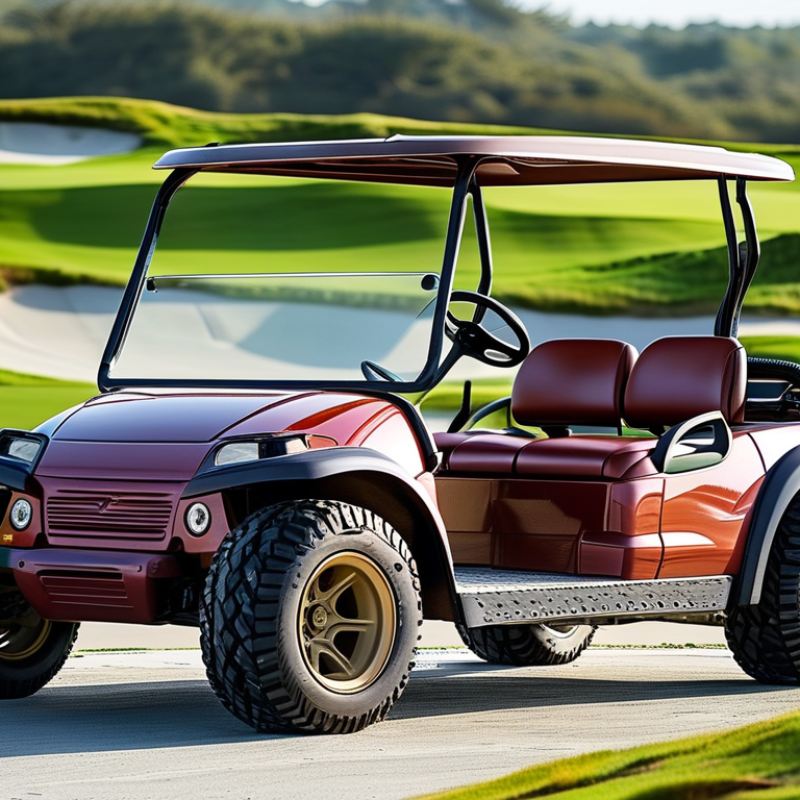
When selecting golf cart wheels, understanding terrain types is crucial. Different surfaces pose unique challenges. According to a 2022 report by the National Golf Foundation, over 70% of golf courses feature varying terrain. Grass, sand, and gravel each require specific wheel designs for optimal performance.
Grass terrains demand larger, wider tires. This design helps distribute weight, preventing the tires from sinking. Conversely, sand requires wheels with a broader surface area to glide over the surface. A 2021 industry study indicated that improper wheel choice can reduce traction by up to 40%. This statistic highlights the importance of choosing the right tires.
On the other hand, rocky or uneven terrains call for tougher, more durable wheels. Wheels made from high-quality materials can absorb shocks better. According to industry experts, nearly 60% of golf cart owners report improved stability on rough terrain when using the right wheels. However, many still overlook the impact of wheel selection on performance and safety, leading to potential accidents or inefficiencies.
Choosing the right wheels for your golf cart is crucial for performance and comfort. Various terrains require specific wheel designs. Soft, grassy areas may benefit from wider wheels to distribute weight. On the other hand, harder surfaces favor thinner wheels for speed and agility.
Tread pattern is another essential feature to consider. Deeper treads provide better grip on uneven surfaces, enhancing stability. This is particularly important on hilly terrain. Conversely, a smoother tread offers a quieter ride on pavement. Think about where you drive the most to select the right pattern.
Material quality matters too. Lightweight alloys can improve speed but may sacrifice durability. Rubber construction often provides a balance of grip and longevity. Consider your usual terrain and how often you change landscapes. These details can make a difference in your overall experience.
When it comes to off-road adventures, choosing the right wheels for your golf cart is crucial. Rough terrains demand durable and reliable wheels that can handle obstacles like rocks or steep inclines. A good off-road wheel should feature a robust design with superior traction. Larger tread patterns provide grip on uneven surfaces, ensuring better control and stability.
Not every wheel can deliver the performance needed in rugged environments. Many users overlook the importance of material quality. Lightweight yet strong materials can enhance maneuverability. Furthermore, wheel size significantly impacts the ride experience. Bigger wheels can smooth out bumps, while smaller ones may struggle on rough patches.
Customizing your golf cart with the right wheels enhances both safety and performance. However, remember that this choice may reflect your specific needs and terrain. It’s easy to get carried away by flashy designs. Practicality should remain your priority. A balanced approach between aesthetics and function is often necessary. Consider your usual terrain conditions before making a decision. Reflect on past experiences; those lessons can guide your next purchase.
| Wheel Type | Size (Inches) | Terrain Type | Material | Weight Capacity (lbs) |
|---|---|---|---|---|
| All-Terrain | 10 | Off-Road | Rubber | 800 |
| Mud Terrain | 12 | Mud | Plastic | 900 |
| Sand Terrain | 14 | Sand | Aluminum | 1000 |
| Rock Terrain | 13 | Rocky | Steel | 1200 |
| Pavement | 12 | Smooth | Rubber | 850 |
| Hybrid | 15 | Mixed | Composite | 1100 |
| Desert | 14 | Desert | Rubber | 950 |
| Trail | 13 | Trails | Aluminum | 1050 |
| Heavy Duty | 15 | All | Steel | 1300 |
| Commercial | 16 | Commercial | Composite | 1500 |
When it comes to navigating smooth surfaces and paved paths, the right golf cart wheels make a significant difference. The ideal wheels for these terrains typically feature a larger diameter. This design allows for a smoother ride, reducing vibrations and enhancing comfort on well-paved routes. A good tread pattern is essential as well, providing better grip and stability while powering through swiftly.
Many users have found that softer compounds deliver better traction on slick surfaces. However, they may wear out more quickly when compared to harder materials. It’s a trade-off that needs careful consideration. Choosing a wheel with a balance of durability and performance can be tricky. A misplaced assumption about wheel longevity could lead to frequent replacements.
Riders often overlook the importance of proper maintenance. Regular checks can help identify wear patterns early. Keeping wheels correctly inflated can further enhance performance on smooth terrain. Ultimately, understanding your golf cart's needs and the conditions you’ll face is vital. Taking the time to weigh these factors can lead to a more enjoyable ride and prolonged wheel life.
This chart displays the performance ratings of various golf cart wheels across different terrains, helping users select the best option based on their specific needs.
Maintaining golf cart wheels is essential for optimal performance and safety. Regular inspections help identify wear and tear early. Check tire pressure frequently. Properly inflated tires perform better on various terrains. Under-inflation can lead to uneven wear and poor handling. Over-inflation might increase the risk of blowouts.
Cleaning your wheels is also important. Debris, mud, and corrosion can damage rims. Use mild soap and water to clean them. Avoid harsh chemicals that can deteriorate the materials. After cleaning, inspect for cracks or signs of damage. If you notice any issues, seek professional advice promptly.
Be mindful of your driving habits. Avoid sharp turns and sudden stops. These can stress the wheels and decrease their lifespan. Also, try not to overload the cart. Excessive weight can cause tires to wear out more quickly. Regular maintenance not only extends wheel life but also enhances safety and performance.
: Different surfaces require specific wheel designs. This ensures optimal performance across various terrains.
Grass requires larger, wider tires. They distribute weight and prevent sinking into the grass.
Sand terrains need wheels with a broader surface area. This design helps glide over sandy surfaces effectively.
Improper wheels can reduce traction by up to 40%. This could lead to poor performance and safety risks.
Check tire pressure regularly. Properly inflated tires perform better and enhance safety.
Cleaning removes debris that can damage rims. Use mild soap; avoid harsh chemicals to preserve materials.
Avoid sharp turns and sudden stops. These actions stress the wheels and can shorten their lifespan.
Excessive weight causes tires to wear out more quickly. This impacts both performance and safety.
Inspect for cracks and signs of damage. Early detection prevents bigger issues in the future.
The right wheels improve stability significantly, reducing the risk of accidents on rough surfaces.
When selecting Golf Cart Wheels, understanding the different terrain types is crucial, as various surfaces dictate specific wheel features and materials. Key considerations include the tread pattern, wheel size, and durability, all of which play a significant role in performance. For rough terrains and off-road adventures, wheels designed for increased grip and stability are ideal, while those for smooth surfaces and paved paths benefit from lightweight designs and softer rubber compounds for a comfortable ride.
Additionally, regular maintenance can significantly extend the lifespan of Golf Cart Wheels. This includes routine checks for wear and tear, proper inflation, and cleaning to prevent dirt build-up. By choosing the right wheels for specific terrains and following maintenance tips, golf cart owners can ensure optimal performance and durability, enhancing their overall golfing experience.

XXCART