Choosing an Ez Go Golf Cart often begins with a practical question: how will you use it each day? A quiet ride across a golf course feels different from carrying tools around a large property. It may also serve communities, resorts, campuses, and private roads where permitted. The best choice depends on distance, terrain, passenger needs, and available support.
From hands-on use, small details quickly matter. The steering should feel predictable, even on uneven paths. The seats should remain comfortable after several trips. A battery indicator, headlights, storage space, and weather protection can change daily convenience. Electric models usually offer quiet operation and simple routine charging. Gas-powered versions may suit users who need longer continuous operation. However, specifications vary by model and year. Buyers should confirm range, payload, charging time, and warranty terms with an authorized dealer.
No cart is perfect. Hills, cold weather, heavy loads, and aging batteries can reduce performance. That reality deserves attention before purchase. Inspect the tires, brakes, frame, charger, and battery condition carefully. Ask for service records when considering a used vehicle. A reputable dealer can clarify maintenance schedules and local operating requirements. Ez Go Golf Cart models have a long-standing presence in recreational transportation, but reputation alone should not replace inspection. The right decision combines trusted information with realistic expectations. A smooth test drive helps reveal what brochures cannot.
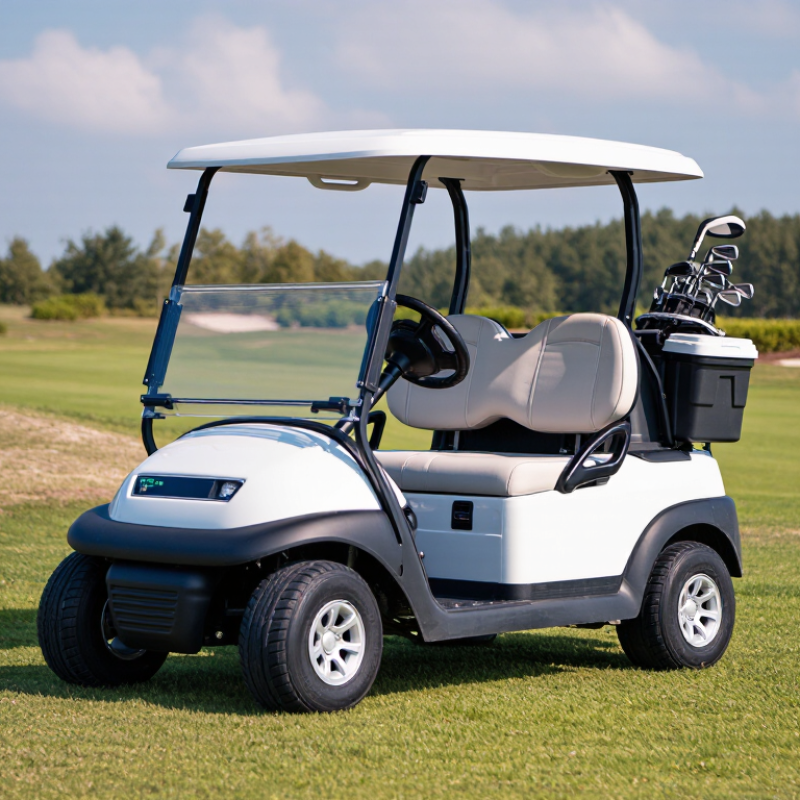
Golf Cart Basics and Model Overview
A golf cart is a compact electric or gasoline vehicle for short, low-speed trips. Electric models usually offer quieter movement, simpler daily operation, and fewer routine engine tasks. The U.S. Department of Energy notes that electric vehicles convert over 77% of electrical energy into motion. Conventional gasoline vehicles convert roughly 12% to 30%. That difference matters during repeated neighborhood or facility trips.
The main model groups are two-seat, four-seat, utility, and lifted carts. A two-seat model suits golf bags, small tools, and narrow paths. Four-seat versions add rear seating, but cargo space can shrink quickly. Utility models often include a steel bed, stronger suspension, and better load control. Lifted models provide extra ground clearance on uneven grass, though higher entry height may reduce accessibility. Grand View Research reported that the global golf cart market was valued at about 1.7 billion dollars in 2023. Its forecast also indicates continued growth through 2030, supported by resorts, communities, and industrial sites.
Battery chemistry deserves careful attention. Lead-acid batteries cost less initially, but they need watering and regular charging habits. Lithium batteries are lighter and usually charge faster. They also increase the purchase price. Range claims can feel optimistic. Temperature, passenger weight, slopes, tire pressure, and driving speed all change results. I would test the cart on the actual route before buying. Small details matter. A convenient model can still disappoint when storage, braking feel, or charging access is overlooked.
| Cart Type | Typical Seating | Power System | Typical Range | Approx. Top Speed | Best Use |
|---|---|---|---|---|---|
| 2-Passenger Compact | 2 | Electric or gasoline | 15–40 miles per charge or tank | 12–15 mph | Short trips, private roads, and light recreation |
| 4-Passenger Rear-Seat | 4 | Electric or gasoline | 15–40 miles per charge or tank | 12–15 mph | Neighborhood transportation and family use |
| 4-Passenger Forward-Facing | 4 | Usually electric; gasoline options available | 20–45 miles per charge or tank | 15–20 mph | Longer passenger trips and community transport |
| 6-Passenger Shuttle | 6 | Electric or gasoline | 15–35 miles per charge or tank | 12–20 mph | Resorts, campuses, events, and larger households |
| Utility Cart | 2–4 | Electric or gasoline | 15–40 miles per charge or tank | 12–20 mph | Gardening, maintenance, hauling, and work sites |
| Street-Legal Configuration | 2–6 | Electric or gasoline | 20–50 miles per charge or tank | 20–25 mph | Low-speed roads where local regulations permit |
| Dimension | Electric Option | Gasoline Option | Practical Guidance |
|---|---|---|---|
| Noise | Very quiet | Produces engine noise | Electric models are well suited to residential and resort environments. |
| Maintenance | Fewer engine-related service items | Requires oil, filter, belt, and engine servicing | Choose based on service access and expected usage. |
| Refueling | Requires charging time | Fast refueling | Gasoline can be convenient for continuous daily operation. |
| Terrain | Suitable for paved and moderate inclines | Often preferred for extended or demanding operation | Check motor output, braking, tires, and load rating for hills. |
| Legal Requirements | May require lights, mirrors, belts, and other equipment | Same local requirements apply | Verify speed limits, registration, insurance, and road-use rules locally. |
Note: Range, speed, seating capacity, and load limits vary with battery condition, terrain, weather, passenger weight, tire pressure, and configuration. Always confirm specifications and local road-use requirements before purchase.
A compact frame helps it move through narrow paths. A tight turning radius makes parking easier. Quiet electric operation suits residential areas and resorts.
Look for supportive seating, clear foot space, and stable suspension. A fold-down rear seat can carry passengers or light cargo. Comfort still depends on the road surface.
Hills, passenger weight, tire pressure, weather, and terrain can reduce range. Brochure figures may not match daily use. Real-world testing matters more.
Charge in a dry, ventilated area with the recommended equipment. Keep cables organized and away from standing water. Stop using the system if you notice heat, swelling, or damaged cables.
Check the brakes, lights, mirrors, parking brake, and steering. Tires also need regular pressure checks. Small inspections prevent avoidable surprises.
A two-seat cart suits short trips and private paths. A four-seat model offers more flexibility but needs extra storage space. Measure your garage first.
It can handle some grass, gravel, and short slopes with suitable tires and suspension. Steep ground, heavy rain, and overloaded seats can expose its limits. Traction changes quickly after rain.
Ask for battery age, charging history, and service records. Have a qualified technician inspect the charger, cables, brakes, steering, and frame. Take a test drive. Listen for rattles and check for loose steering.
Check tire pressure, brake response, lights, and battery connections regularly. Clean the cart and investigate unusual noises or slower charging. I sometimes ignored small warning signs, and that was not wise.
Consider storage, charging access, common routes, passenger needs, and local operating rules. Equipment requirements can differ by location. Leave room for realistic use, not imagined adventures.
An Ez Go Golf Cart is a practical and versatile vehicle for short-distance travel, recreational use, and everyday transportation. This article introduces the basic structure and main model types, helping readers understand how different configurations may suit various environments and driving needs. It also explains the key features that define these carts, including efficient power systems, simple controls, durable construction, and convenient storage solutions.
Beyond basic transportation, an Ez Go Golf Cart can provide a comfortable and enjoyable driving experience through smooth handling, flexible seating, and useful safety features. The article also covers ownership costs, routine maintenance, battery care, and customization options that can improve appearance or functionality. Finally, it offers guidance for choosing the right cart by considering factors such as passenger capacity, terrain, driving range, budget, storage needs, and intended frequency of use. With these points in mind, buyers can make a more confident and suitable choice.

 XXCART