Explore our certified, precision-engineered assemblies designed for seamless compatibility with major electric vehicle chassis architectures including Club Car, EZ-GO, and Yamaha systems.
In the contemporary light utility vehicle (LUV) and low-speed vehicle (LSV) industries, the specification of wheel and tire assemblies has undergone a significant paradigm shift. Historically dominated by standard 8-inch and 10-inch configurations, modern global fleets, commercial resorts, and municipal planners are increasingly demanding 12-inch tire and wheel assemblies. This transition is not merely cosmetic; it represents a core engineering optimization for load distribution, terrain management, and energy efficiency.
A 12-inch configuration allows for lower profile passenger-car-radial (PCR) technology to be integrated into low-speed chassis architectures. The benefits are comprehensive: reduced rolling resistance, increased lateral stability during cornering, higher load ratings, and improved heat dissipation over prolonged usage cycles. Furthermore, the adaptation of 12-inch tires is crucial for meeting Federal Motor Vehicle Safety Standards (FMVSS) for street-legal transit, bridging the gap between traditional golf course machinery and modern urban transport fleets.
"The shift to 12-inch radial assemblies reduces energy draw on 48V and 72V electric power units by up to 12%, directly translating to extended range per charge cycle."
- Chief Engineering Officer, XXCART INC R&D Division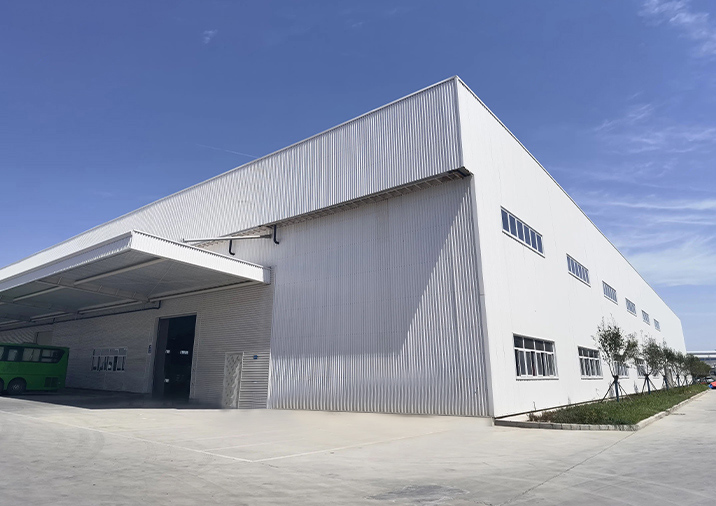
Analyze the macro-economic and engineering advantages that position Chinese manufacturers as the primary source for Tier-1 distributors worldwide.
By leveraging localized synthetic and natural rubber supply chains, integrated tooling design houses, and automated vulcanization systems, Chinese factories achieve economies of scale that reduce unit costs by 25% to 40% compared to Western counterparts, without compromising compound integrity.
Industrial manufacturing clusters in Shandong and Zhejiang provinces support localized CNC mold production. This allows factories to engineer and manufacture new tread patterns—from turf-safe sawtooth profiles to extreme-lug mud terrain configurations—within a compressed cycle of just 15 to 30 days.
Leading Chinese tire manufacturers maintain state-of-the-art laboratory testing systems. Products comply with global regulatory standards, including US Department of Transportation (DOT) marking, European CE certification, E-mark configurations, and strict REACH environmental guidelines for chemical compounds.
Combining 21+ years of electric utility vehicle manufacturing expertise with advanced component design to deliver custom OEM/ODM solutions worldwide.
As an established leader in the light electric vehicle segment, XXCART INC designs, engineers, and fabricates high-performance golf carts and customized assemblies. By integrating engineering strengths from industry standard bearers such as EZ-GO, Club Car, and Yamaha, we manufacture our vehicles using advanced automobile-grade PP engineering materials, ensuring high tensile strength, UV stability, and impact resistance.
Send Factory Inquiry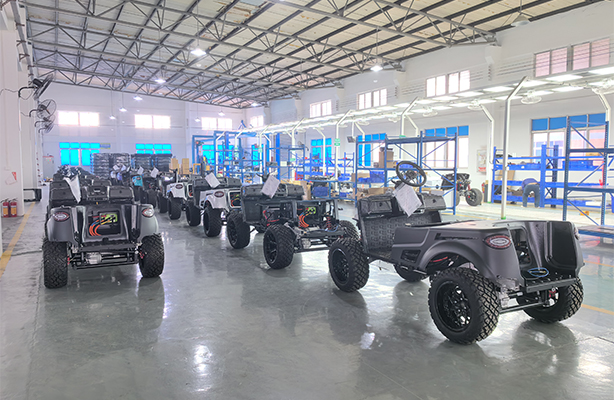
Operating with the foundational concept of "Quality First, Customer First," XXCART has developed robust market footholds in key geographic regions including the United States, Italy, Canada, Belgium, Bulgaria, Ireland, Austria, Norway, Sweden, Denmark, Finland, France, Spain, Brazil, Mauritius, the Maldives, Thailand, and the Philippines.
Our collaborative model transcends traditional transactional procurement. We partner directly with regional distribution networks to co-develop custom tread systems, compound ratios, and wheel offsets suitable for local topography and climate conditions. This collaborative feedback loop guarantees that XXCART parts and components equal or exceed OEM performance specifications.
"We design and control the tooling operations for the majority of our inventory, guaranteeing quality control at the source and competitive B2B pricing."
- Global Distribution Director, XXCART Factory GroupA technical guide to selecting the correct 12-inch tire design based on operational terrain and target utility parameters.
Utilizing a low-void design with circumferential groove geometries, these 12-inch tires minimize rolling noise and vibration on paved surfaces. Ideal for high-end gated communities, urban resorts, and municipal transport fleets where non-marking compounds and passenger comfort are paramount. Optimized for turf preservation under heavy vehicle loads.
Featuring staggered, intermediate-depth blocks and open shoulder voids, AT configurations provide reliable traction on loose gravel, wet grass, and packed dirt paths while maintaining a stable footprint on pavement. Excellent utility profile for multi-use industrial parks, agricultural estates, and mixed-terrain properties.
Characterized by deep, aggressive directional lugs and high-ratio void spacing, MT tires are designed for maximum mechanical grip in deep mud, sand, and steep grade applications. Typically specified for heavy-duty agricultural utility carts and security vehicles operating on unpaved terrain. Requires lifted suspension kits.
| Tire Size Configuration | Tread Style Classification | Ply Rating / Structure | Recommended Rim Width | Maximum Load Capacity |
|---|---|---|---|---|
| 215/35R12 | Low-Profile Radial (DOT Approved) | 4-Ply / Steel Belted | 12" x 7" | 660 lbs @ 30 PSI |
| 215/40-12 | Low-Profile Turf (Non-Radial) | 4-Ply / Bias | 12" x 7" | 750 lbs @ 35 PSI |
| 215/50-12 | Comfort Transit (Cruiser) | 6-Ply / Bias Heavy Duty | 12" x 7" | 950 lbs @ 35 PSI |
| 23x10.5-12 | All-Terrain Hybrid (AT) | 6-Ply / Trail Certified | 12" x 7" / 12" x 8" | 1,000 lbs @ 20 PSI |
| 25x10-12 | Deep Lug Mud Terrain (MT) | 8-Ply / Extreme Duty | 12" x 8" | 1,250 lbs @ 24 PSI |
The integration of advanced polymers is critical to modern light vehicle longevity. XXCART utilizes proprietary formulations of polypropylene (PP) and high-density polyethylene (HDPE) along with rubber compounds to resist ozone aging and environmental fatigue.
Our chemical engineering workflow focuses on the vulcanization of rubber polymers with specialized carbon blacks and silica. Silica dispersion improves wet-grip performance and reduces energy dissipation within the tire tread, resulting in high durability and low rolling resistance. Additionally, UV stabilizers are added to the compound to prevent color fading and surface micro-cracking caused by exposure to intense solar radiation in outdoor settings.
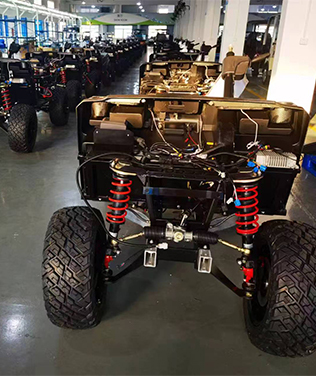
A systematic overview of procurement standards, logistics protocols, and quality assurance workflows for international OEM buyers.
We provide comprehensive OEM sidewall layout customization, allowing B2B buyers to brand tires with proprietary trade names, trademarked tread patterns, and unique load/inflation data panels. Custom molds are developed on precise CNC units to maintain strict compliance with DOT marking standards.
Prior to warehouse dispatch, every 12-inch tire assembly is subjected to computerized radial runout analysis and high-speed dynamic balancing tests. This process ensures the minimization of high-speed steering wobble and reduces wear on steering yokes, drag links, and hubs.
To maximize shipping container efficiency, our logistics team implements advanced interlocking nesting methods for tire-only and pre-mounted wheel assemblies. This optimizes load capacity per 40HQ container, lowering per-unit transport costs across international shipping lanes.
Direct answers from our senior engineering and supply chain management teams to help optimize your sourcing decisions.
Radial-ply tires feature steel or textile belts running at 90 degrees to the centerline, allowing the sidewall and tread to function independently. This results in a flatter footprint, reduced rolling resistance, lower heat buildup, and a longer overall service life—ideal for paved roads and street applications. Bias-ply tires feature cross-diagonal casing plies, providing stiffer sidewalls that are highly resistant to punctures in rugged, off-road, and heavy-duty agricultural environments.
Increasing the overall outer diameter (OD) of the tire (e.g., transitioning from an 18-inch standard OD to a 22-inch or 23-inch OD on a 12-inch rim) changes the effective gear ratio. This increases the vehicle's top speed, but results in a slight decrease in low-end acceleration and climbing torque. For carts equipped with standard motors, we recommend 12-inch wheels paired with low-profile tires (like 215/35-12) to maintain a factory-equivalent OD of approximately 18 inches, preserving the original torque profile.
For street-legal operation on public roads, 12-inch golf cart tires must carry Department of Transportation (DOT) approval, indicating compliance with FMVSS safety standards. For the European market, tires must possess E-Mark approval, while components must comply with RoHS/REACH environmental safety regulations to ensure the rubber compound is free of restricted chemical additives.
Yes. Low-profile tire configurations, such as 215/35-12 and 215/40-12, are engineered to keep the overall outer diameter of the assembly at or near 18.5 inches. This allows them to fit standard, non-lifted chassis configurations on Club Car, EZ-GO, and Yamaha carts without rubbing against the fender wells or suspension linkages. However, taller profiles, such as 215/50-12, 22x11-12, or 23x10-12, require a 3-inch to 6-inch chassis lift kit to ensure proper clearance.
The operational lifespan depends heavily on tread design and surface exposure. For commercial resort operations on asphalt or concrete, a radial, steel-belted 12-inch tire typically lasts between 3,000 and 5,000 miles, equivalent to several years of standard use. Bias-ply tires in rugged off-road environments are subject to faster wear patterns due to higher rolling heat, with an expected lifespan of 1,500 to 2,500 miles. Correct tire inflation pressures (typically 20–35 PSI depending on style) must be maintained to prevent premature wear.
Natural rubber provides high elasticity, tear resistance, and low heat generation, making it ideal for agricultural and off-road tires. Synthetic rubber (like styrene-butadiene) offers superior wear resistance, traction, and aging properties on paved surfaces. High-performance 12-inch tires use a optimized compound blend, combining natural rubber for carcass flexibility with synthetic rubber and silica in the tread compound to maximize treadwear life and wet grip performance.
For custom OEM molds and sidewall configurations, the industry standard MOQ for 12-inch tire assemblies ranges between 500 and 1,000 units per size run. Standard lead times range from 30 to 45 days. This timeline includes rubber compounding, curing, dynamic balancing, quality control testing, and container loading. Standard stocking items can be dispatched in 15 to 20 days depending on production capacity.
Out-of-balance assemblies generate harmonic vibrations at speed, which transmit through the wheel hub directly into steering yokes, tie rod ends, and rack-and-pinion linkages. Over time, these vibrations accelerate wear on steering joints and components. Dynamic balancing at the factory ensures even mass distribution, minimizing vibration, reducing steering feedback, and extending the service life of steering assemblies by up to 35%.
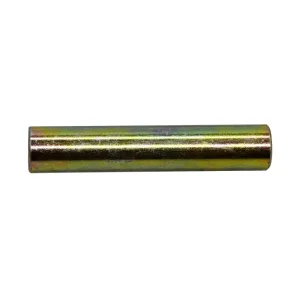
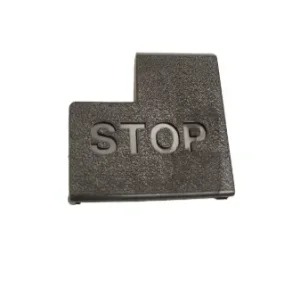
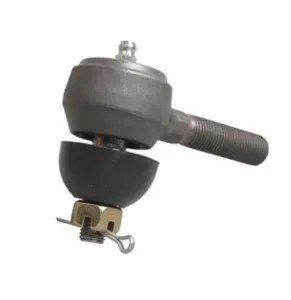
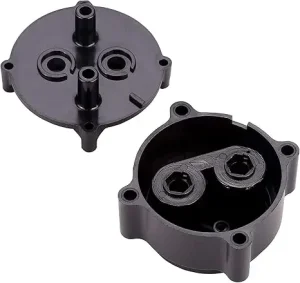
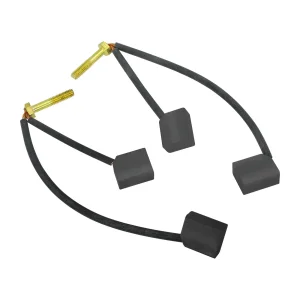
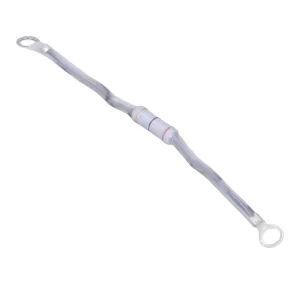
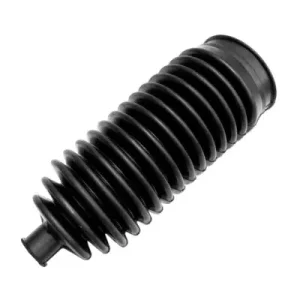
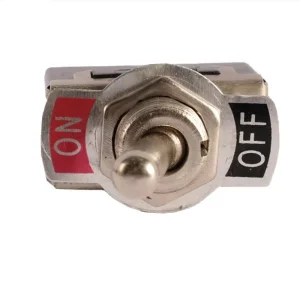
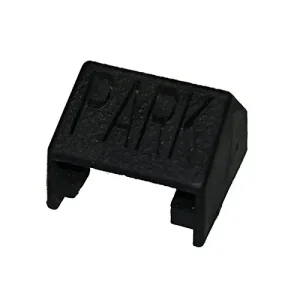
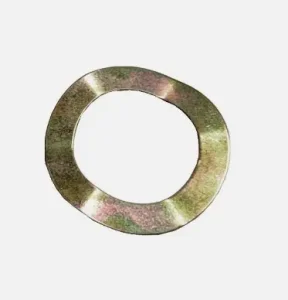
Explore our secondary lineup of precision steering elements, structural washers, and essential powertrain components, certified to meet international engineering standards.
 XXCART