 XXCART
1. Overview of the 48V Configuration: Why Club Car Relies on 8-Volt Batteries
In the utility vehicle, municipal fleet, and industrial transportation sectors, battery configuration is a primary determinant of cycle life, vehicle range, and energy efficiency. Historically, manufacturers evaluated several battery configuration options for electric fleets. While a 48V system built with four 12-volt batteries reduces terminal connections and installation complexity, it suffers from a significantly lower reserve capacity and a shorter overall cycle life under deep discharge. Conversely, eight 6-volt batteries offer exceptional reserve capacity but add substantial physical weight and maintenance labor.
The integration of six 8-volt batteries offers an optimal engineering balance. This arrangement delivers the high energy density and surge current capability required for steep terrain and heavy passenger loads, while keeping the overall battery weight within structural engineering tolerances. In terms of maintenance, a six-cell configuration requires fewer watering points than an eight-cell setup and provides a flatter, more stable discharge curve than a four-cell system. This flat discharge rate minimizes thermal build-up in controllers and motor windings, which is a major factor in extending the service life of internal components.
| Configuration Type (48V Output) | Nominal Capacity (Ah @ 20Hr Rate) | Weight Advantage | Discharge Stability under Load | Expected Service Life (Cycles) |
|---|---|---|---|---|
| 6x 8V System (Industry Standard) | 170Ah - 190Ah | Balanced (Approx. 180kg total) | High (Minimal Voltage Drop) | 750 - 1000 Cycles |
| 4x 12V System (Light Duty) | 140Ah - 150Ah | Lightweight (Approx. 130kg total) | Medium (Steep voltage curve) | 400 - 600 Cycles |
| 8x 6V System (Heavy Duty) | 210Ah - 245Ah | Heavy (Approx. 240kg total) | Excellent (Sustained plateau) | 1000 - 1200 Cycles |
2. Global Market Dynamics: Trends in Electric Vehicle and Cart Power Systems
The global industrial vehicle market is undergoing a transition driven by regulatory pressure to eliminate internal combustion engines and the economic need to lower total cost of ownership (TCO). This shift is evident in golf resorts, urban utility fleets, and large industrial facilities where vehicle uptime is linked to battery reliability. While lithium-ion chemistries are gaining market share in high-budget new vehicle purchases, deep-cycle lead-acid technologies remain dominant in industrial markets because of their recyclability, predictability, safety, and lower upfront capital cost.
Additionally, international logistics and commercial operators are looking for drop-in replacement options that match the dimensions of existing battery compartments. The market for premium 8-volt lead-acid batteries continues to expand in the US, Europe, and Asia-Pacific. Modern fleet operations use real-time battery monitoring systems (BMS) and smart charging algorithms, requiring manufacturers to produce batteries with stable terminal voltages and consistent internal resistance across production batches.
3. Factory 4.0: Supply Chain Resilience and Manufacturing Advantages at XXCART
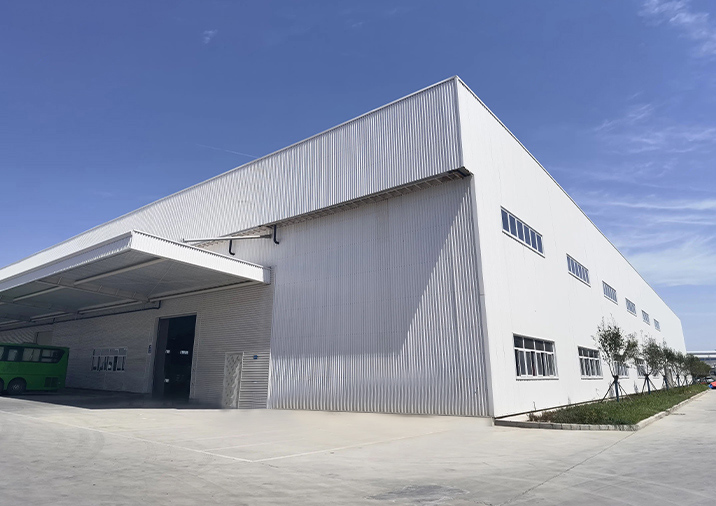
At XXCART, we address these global procurement needs by combining manufacturing scale with strict quality control. Operating from a modern 50,000-square-meter facility, our production lines follow Factory 4.0 design standards. Automated processes cover every stage of manufacturing, from oxide preparation and grid casting to plate pasting and high-precision formation curing. This automation ensures high plate uniformity and reduces structural variances that can cause premature cell failure in deep-cycle configurations.
Our manufacturing processes prioritize supply chain resilience. By sourcing high-purity refined lead and advanced additives directly from audited suppliers, we minimize supply disruptions and insulate our customers from sudden price volatility. XXCART operates with CE certification and maintains environmental management systems that comply with global standards. This focus allows us to supply international markets, including North America, the European Union, South America, and Southeast Asia, without regulatory delay.
Precision Engineering of Structural Plastics
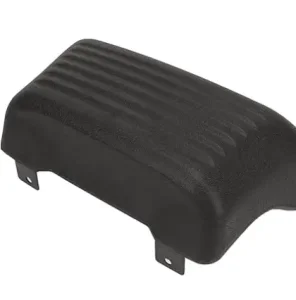
A key differentiator in the durability of XXCART golf carts and battery housings is the use of high-impact PP (polypropylene) engineering plastics. Standard aftermarket plastics can degrade when exposed to sulfuric acid mist, UV radiation, and high operational temperatures. XXCART parts are designed to absorb physical shocks from uneven terrain while maintaining structural integrity over a wide range of temperatures.
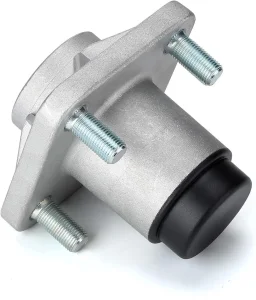
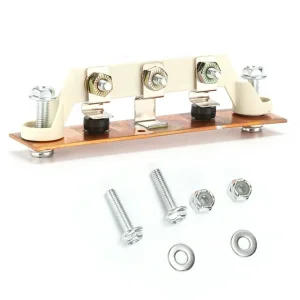
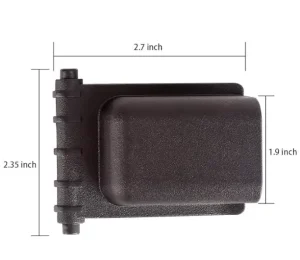
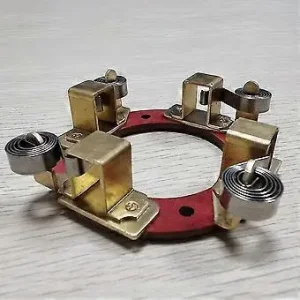
This emphasis on engineering extends to our mechanical parts, including our OEM Front Wheel Hub Assembly and Advanced 3.3HP Generator Brush Plate Holders. Each component is designed to reduce friction and mechanical drag, maximizing the energy efficiency of the battery pack.
4. Fleet Procurement: Key Metrics for Industrial Purchasing
For procurement officers managing corporate fleets, selecting the right battery manufacturer is about balancing lifecycle costs against the initial capital investment. When evaluating suppliers of Club Car 8-volt batteries, procurement teams should prioritize the following performance metrics:
- Reserve Capacity (RC): The duration in minutes that a battery can continuously deliver 56 amperes at 80°F (27°C) before its voltage drops below 5.25V. Higher RC ratings mean longer runtime and less strain on the drivetrain.
- Cycle Life (Depth of Discharge): The total number of charge and discharge cycles a battery can sustain before its nominal capacity drops below 80% of its original rating. True industrial-grade batteries should deliver at least 800 cycles at a 50% Depth of Discharge (DoD).
- Internal Resistance (IR): Lower internal resistance reduces heat generation during high-amperage acceleration and regenerative braking, protecting the controller and motor.
- Plate Chemistry and Antimony Content: High-antimony grids increase structural durability but require more frequent watering. Incorporating selenium or using low-antimony lead alloys helps strike a balance, reducing water consumption while maintaining cycle life.
5. Case Studies: Localized Application Scenarios
Scenario A: High-Temperature Coastal Resorts (Maldives & Mauritius)
In coastal environments, high ambient temperatures accelerate battery grid corrosion, and salt mist can lead to parasitic electrical discharge across the battery tops. In these settings, standard batteries can suffer from thermal runaway and short service life. XXCART’s deep-cycle formulations address these conditions through thicker grid designs and specialized paste additives that reduce sulfation at higher operating temperatures.
Scenario B: Industrial Warehouses & Logistics Yards (Belgium & Germany)
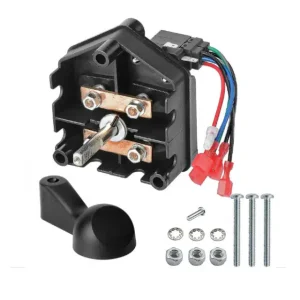
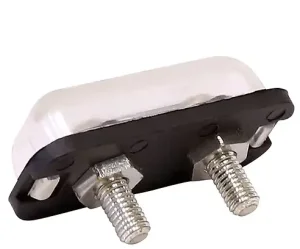
Industrial logistics vehicles require continuous operational availability. For facilities operating 8V configurations, battery thermal management is a key factor. Using our low-resistance plates and heavy-duty forward-reverse switch assemblies helps prevent overheating in wiring harnesses, ensuring safe and reliable operation during long shifts.
Scenario C: High-Altitude, Undulating Terrain (USA & Austria)
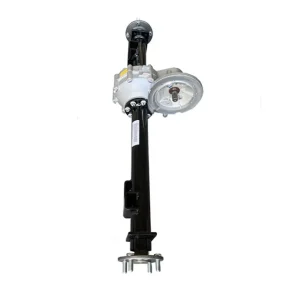
Steep terrain puts high electrical loads on batteries. Under these conditions, voltage sag can limit a cart's climbing ability and increase heat generation in the motor. High-output 8V battery designs provide the necessary current without dropping below low-voltage limits, helping to extend the lifecycle of speed controllers and rear axle components.
OEM/ODM Customization Capabilities
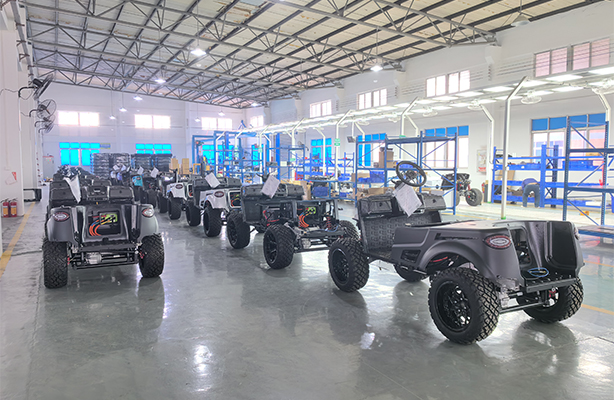
XXCART offers custom solutions for specialty applications. From modifying battery terminal designs to engineering customized plastic enclosures using our PP injection molding capabilities, we adapt to your fleet's specific needs.
Our engineers work with distributors and fleet managers to match our battery performance profiles with target motor controller settings, optimizing both vehicle range and battery cycle life.
Inquire About Customized OEM Solutions
6. Technical FAQ: Common Questions from Purchasing and Maintenance Teams
Can you mix 8-volt batteries from different brands or batches in one Club Car pack?
No, mixing batteries of different brands, capacities, or ages within a pack is not recommended. Batteries with varying age or internal resistance will charge and discharge unevenly. This leads to the weaker batteries over-discharging and under-charging, which can cause premature cell failure across the entire pack. Always replace the pack as a matched set for optimal service life.
What is the typical lifespan of an 8-volt lead-acid battery pack under normal conditions?
Under proper maintenance guidelines—including regular water replenishment, clean terminals, and avoiding deep discharge below 50%—a high-quality 8-volt battery pack typically lasts between 4 to 6 years (representing about 750 to 1,000 standard charge-discharge cycles).
How does dynamic charging software affect deep-cycle battery durability?
Modern high-frequency chargers track the battery's voltage response and temperature, adjusting charge current dynamically to limit water loss and grid corrosion. Using multi-stage (bulk, absorption, float) smart charging profiles helps prevent sulfation and extends the overall service life of the pack.
Why are aftermarket electrical accessories like relays and switches critical for battery health?
High-quality components like the OEM Forward/Reverse Switch protect the battery pack from voltage spikes and excessive heat. Poorly manufactured switches can cause resistive heating, which wastes energy, degrades insulation, and places a continuous parasitic load on the battery cells.