The global light electric vehicle (LEV) sector, specifically within commercial fleets, hospitality operations, and expansive master-planned residential communities, has experienced significant development. At the center of this field is the requirement for rugged, long-lasting replacement components. Specifically, sourcing the Best Club Cart DS windshields (frequently referred to in procurement circles by its common variation, Club Cart Ds Windshield) represents a major capital and maintenance decision for fleet administrators globally.
Modern fleet managers do not simply buy plastic panels; they purchase risk mitigation, occupant safety, and asset lifecycle extension solutions. High-quality windshields serve as the primary barrier against environmental elements, high-velocity particulate impacts, and UV degradation. Operating conditions dictate specialized performance profiles: coastal resorts demand extreme salt-fog corrosion resistance, while industrial yards require high impact-resistance ratings matching heavy machinery standards.
Utilizing high-grade optical polycarbonate or acrylic formulations prevents discoloration, stress fractures, and optical distortion over multi-year operations.
Properly engineered Club Car DS profiles limit drag, reducing energy consumption and maximizing battery range for electric configurations.
Adhering to shatterproof criteria minimizes debris hazard risks in the event of high-energy impact scenarios in industrial sites.
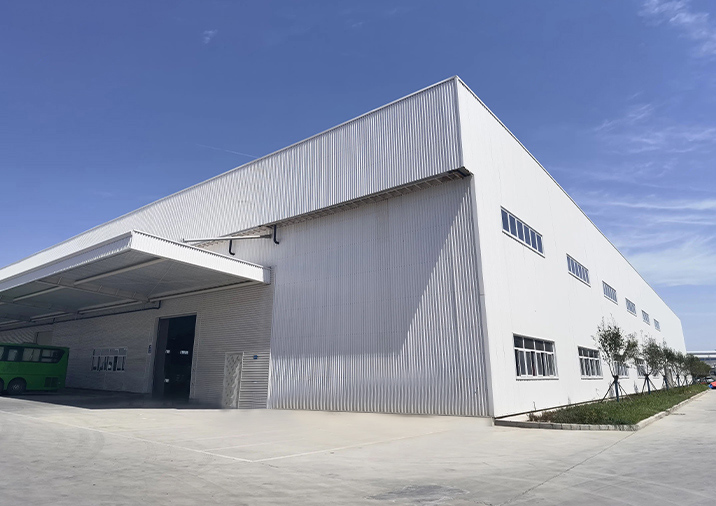
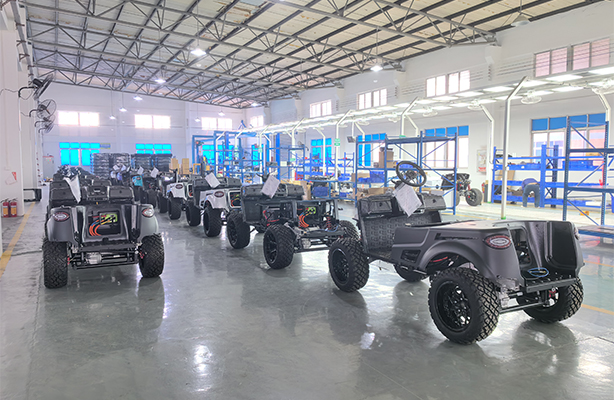
As a leading developer and manufacturer in the electric golf cart industry, XXCART INC integrates the engineering strengths of major platforms, including EZ-GO, Club Car, and Yamaha. Operating from an expansive 50,000 m² modern manufacturing facility, our processes align with rigorous international technical standards to deliver high-performance parts and complete assemblies.
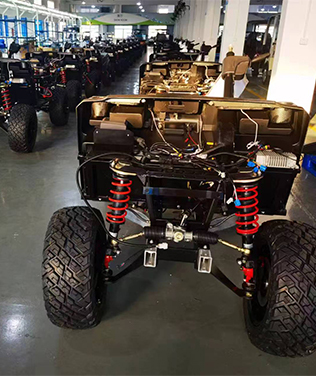
Our cover components and structural panels are fabricated from specialized PP automotive engineering materials, selected for aesthetic appeal, color retention, and impact durability. XXCART vehicle systems feature independent suspension layouts, responsive steering mechanisms, and specialized powertrain controls designed for consistent performance under demanding duty cycles.
Sourcing managers must balance cost against performance when specifying materials for Club Car DS windshields. Selecting the wrong material can lead to premature yellowing, scratching, or structural failure under stress. Below is a detailed technical analysis comparing the primary materials used in our industrial production lines:
Acrylic is a cost-effective choice that provides high clarity for light-duty, low-impact environments. While susceptible to scratching and impact cracking, standard configurations remain suitable for regular passenger applications.
Polycarbonate offers exceptional impact resistance, making it suitable for high-risk industrial, utility, and heavy-use environments. Formulations feature specialized UV stabilizers to prevent premature yellowing.
For fleet applications in environments like golf courses near pesticide spray zones or industrial yards with chemical exposure, XXCART provides specialized surface treatments. Our manufacturing processes include hard-coating (silica-based deposition) options that match the scratch-resistance of glass while retaining the lightweight properties of polymer substrates.
XXCART has established a global footprint, exporting components to clients in the USA, Italy, Canada, Belgium, Bulgaria, Ireland, Austria, Norway, Sweden, Denmark, Finland, France, Spain, Brazil, Mauritius, Maldives, Thailand, and the Philippines. Our cooperative structures involve shared brand management and joint product development.
We configure products to meet the unique regulatory requirements of target markets. This includes compliance with CE standards, European road-use directives, and specific structural integrity tests in the United States. Our logistics network maintains engineering support to ensure seamless integration and local troubleshooting when needed.
A single windshield configuration cannot meet all environmental challenges. XXCART evaluates specific operating environments to recommend the correct material specifications:
Challenge: Salt spray, constant UV radiation, and high humidity accelerate acrylic degradation and clouding.
Solution: Co-extruded UV-blocking polycarbonate panels equipped with flexible hinge mounts to absorb wind shear and resist salt fog degradation.
Challenge: Airborne debris, mechanical impacts from machinery, and frequent physical contact in loading zones.
Solution: 6mm thick polycarbonate panels featuring hardcoat protection. Built to meet impact energy thresholds and resist scratching from dust and debris.
Challenge: Glare from asphalt, optical distortion causing driver fatigue, and the need for all-weather usage.
Solution: Split (fold-down) tinted acrylic panels. Provide airflow flexibility while reducing glare for improved driving comfort.
XXCART's research and development division actively tests next-generation glazing technologies. As utility and golf vehicles integrate more telemetry and automated control systems, the windshield is evolving from a passive barrier into an active component.
Our product roadmap focuses on three primary developments: advanced surface science, sensor integration, and sustainable materials. By using bio-based polycarbonate resins and co-extruded nanotechnology layers, we aim to increase scratch resistance to glass-like levels while reducing carbon emissions during manufacturing.
A: Acrylic provides excellent clarity and UV resistance but can crack under impact. Polycarbonate offers significantly higher impact resistance, making it suitable for demanding industrial and commercial applications.
A: We integrate specialized UV stabilizers directly into our polycarbonate formulations. This co-extruded protective layer helps prevent yellowing from sunlight exposure.
A: We offer custom tint levels, varying thicknesses (e.g., 4mm, 5mm, 6mm), split fold-down designs, and hardcoat options, tailored to the specific needs of different markets.
A: We recommend UV-resistant TPU or EPDM rubber dampening clamps. These absorb chassis vibrations and protect the windshield from stress cracking around mounting points.
 XXCART