The commercial golf cart and low-speed utility vehicle (LSV) industries are undergoing a massive technological pivot. Historically viewed as basic, low-intensity utility tools for localized transportation, modern fleets are now expected to operate across multi-use public roads, massive industrial facilities, coastal luxury resorts, and high-security zones. Central to this transformation is the evolution of illumination tech. As fleet operators replace obsolete halogen assemblies with solid-state Light Emitting Diode (LED) systems, selecting the right manufacturing partner becomes a strategic imperative.
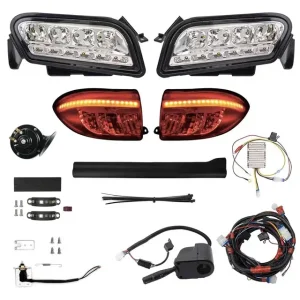
Our research into Club Cart Headlights manufacturing highlights the transition from generic aftermarket light kits to highly specialized, OEM-grade, digitally controlled optical solutions. Standard incandescent headlights suffer from excessive thermal loss, high current draw (compromising 36V/48V/72V powertrain efficiency), and extreme sensitivity to physical vibrations. In contrast, modern LED headlights designed for Club Car applications optimize luminous efficacy, offer tight beam angle distributions to prevent oncoming glare, and include integrated voltage regulators to protect the vehicle's central energy management systems.
Modern LED systems reduce current draw by up to 75% compared to halogen options, effectively extending battery pack life cycles and increasing maximum driving range.
Advanced optical lenses focus luminous output exactly where required, meeting strict SAE/DOT light pattern compliance controls for neighborhood electric vehicles (NEVs).
Aluminum heat-sinking structures mitigate heat buildup, preventing diode degradation and extending headlight operating lifespans past 50,000 continuous hours.
XXCART INC stands as a premier designer and large-scale, CE-certified manufacturer of high-end customized electric golf carts and precision components. We have bridged the engineering advantages of the world's leading brands—including EZ-GO, Club Car, and Yamaha—with our own proprietary research, developing a family of vehicles and parts that meet or exceed imported technical standards.
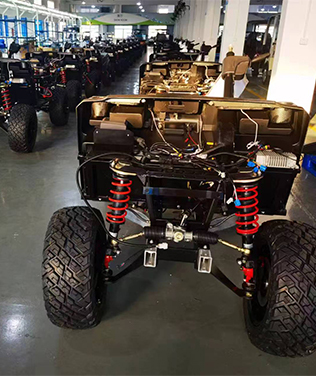
Our cover panels and structural components are manufactured using premium-grade PP (Polypropylene) automobile engineering plastics. This specialized material is engineered for robust mechanical properties, offering unmatched impact resistance, flexibility, aesthetic paint retention, and long-term UV protection. Driven by a philosophy of "Quality First, Customer First", our engineering division develops custom wiring harnesses, high-precision suspension components, and advanced LED lighting assemblies that seamlessly drop into standard vehicle frames.
The international golf cart market is expanding rapidly beyond simple recreational sports. Rapid urbanization, the growth of smart cities, and shifting corporate sustainability mandates have accelerated the adoption of electric utility vehicles across airports, commercial complexes, educational campuses, gated residential estates, and industrial plants. Consequently, high-performance lighting systems are no longer treated as optional accessories; they are vital safety features required to meet strict municipal road standards.
In markets like the United States, Canada, and Western Europe, the demand for street-legal golf carts requires compliance with Federal Motor Vehicle Safety Standard (FMVSS) 500. This standard dictates that low-speed vehicles must have headlights, tail lights, and turn signals with minimum illumination footprints. This policy change has created significant demand for manufacturers capable of producing high-performance, plug-and-play lighting systems. Procurement managers are increasingly choosing manufacturers that offer direct sourcing, fully integrated wiring looms, and verified E-E-A-T credentials to minimize supply chain disruptions.
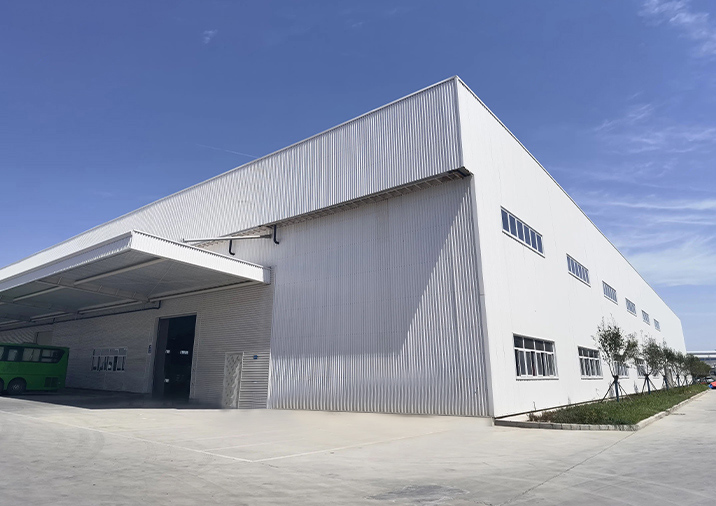
From a global supply chain perspective, procurement teams are looking to mitigate risks by partnering with manufacturers that control the entire design cycle. At XXCART, we address this requirement by designing our own tooling, operating high-pressure injection molding equipment, and running in-house cleanroom facilities for PCB assemblies. This level of vertical integration ensures consistent quality control, stabilizes pricing against fluctuating component costs, and guarantees that our products match or exceed OEM specifications.
Lighting requirements vary significantly depending on localized environments and operating conditions. Standard off-the-shelf lighting kits often fail when subjected to harsh, real-world microclimates. Below is an overview of how we optimize XXCART lighting systems for specific local applications:
Sea-salt air accelerates corrosion on electrical connections. XXCART headlights use IP67-rated waterproof connectors, marine-grade silicone seals, and anti-corrosive wiring looms to prevent moisture damage.
Industrial complexes and residential communities require bright, broad light patterns. Our high-lumen, focused light configurations provide reliable visibility up to 150 meters away, enhancing driver reaction times.
Farms and construction sites subject headlights to heavy dust, mud, and physical vibrations. Our polycarbonate lenses are impact-resistant, and our solid-state designs prevent failure from mechanical shocks.
Our engineering roadmap is focused on developing smart, adaptive, and energy-efficient lighting solutions that keep pace with the broader automotive industry. The future of golf cart headlights lies in integrating intelligent technologies to improve safety and ease of operation.
By shifting from traditional reflectors to Micro-Lens Arrays, we can focus light with high precision. This increases luminous flux utilization by 35% without drawing extra power, preserving vehicle battery life.
To simplify installation and reduce component costs, we are developing internal driver boards that handle inputs from 12V up to 84V DC. This eliminates the need for external voltage reducers, reducing potential points of failure.
We are working to integrate ambient light sensors and camera modules directly into our light kits. This allows the headlights to dim automatically when oncoming vehicles are detected and adjust brightness levels based on environmental conditions.
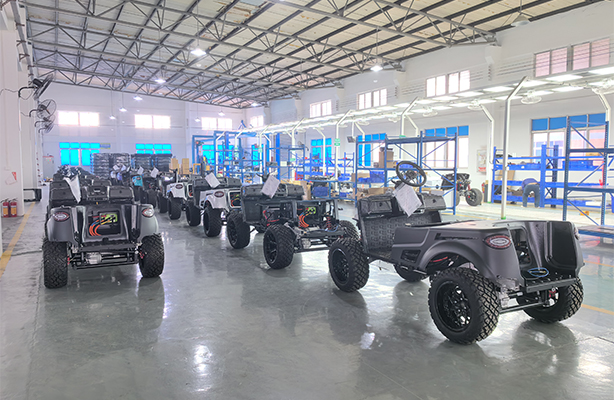
China's manufacturing sector offers deep supply chain integration and raw material access, enabling production efficiencies that are difficult to replicate elsewhere. From sourcing high-grade polycarbonate resins to operating precision aluminum extrusion presses, our production facility in China is optimized for high-volume output.
This deep integration allows us to build resilience against disruptions in the global electronics market. By maintaining strategic safety reserves of key microcontrollers, LED chips, and wiring components, we can shield our global distributors from extended lead times.
Furthermore, our in-house tooling division allows us to rapidly prototype, iterate, and manufacture custom designs. If a client needs a custom housing configuration or a specialized wiring harness for a unique fleet application, we can design, mold, and test the new product in a fraction of the time required by traditional contract manufacturers.
As a major supplier to markets across North America, Europe, and the Asia-Pacific region, we understand the importance of quality standards and compliance. All XXCART components undergo a multi-step quality assurance program before leaving our facility.
Guarantees full compliance with European health, safety, and environmental protection standards for electric vehicle assemblies.
Independently verified to withstand submersion in water up to 1 meter deep for 30 minutes, ensuring reliable performance in heavy rain.
Subjected to extended ASTM B117 salt spray chambers to verify corrosion resistance in humid, coastal environments.
Tested using multi-axis vibration tables to ensure components remain stable over rough, uneven terrain.
To ensure smooth integration and operations, we provide technical documentation, installation manuals, and wiring schematics with every shipment. Our engineering support team is available to assist distributors, fleet operators, and modification shops with integration and configuration challenges. We also offer direct engineering support, with the ability to deploy technical personnel globally to help resolve complex field issues when needed.
"We stand by our commitment to customer support, offering comprehensive pre-sale planning and post-sale technical service. For large fleet deployments or unique integration challenges, our engineering team can provide hands-on assistance to ensure smooth operation."
 XXCART