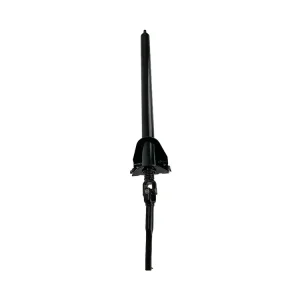
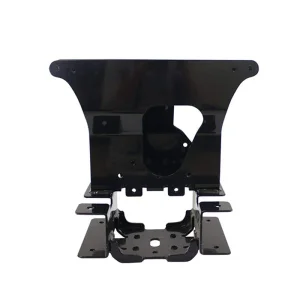
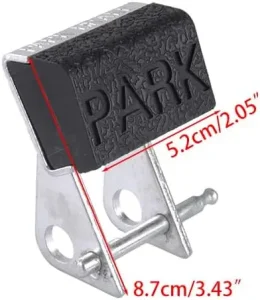
Explore our high-performance industrial fleet replacement products and charging accessories engineered for demanding environments.
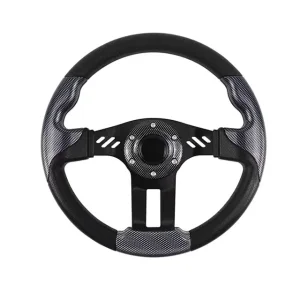
The global fleet management landscape is undergoing a massive paradigm shift. Electric golf carts—traditionally reserved for golf courses—have now proliferated into airports, municipal parks, heavy-duty industrial warehouses, and premium residential resorts. Within this ecosystem, the charging infrastructure represents the critical path of operational continuity. For operations managers utilizing the EZGO TXT or EZGO RXV platforms, selecting the appropriate EZGO golf cart charger manufacturer is not just a sourcing choice; it is a critical strategy for asset preservation and total cost of ownership (TCO) optimization.
A high-quality charger maintains the health of your battery bank (whether it is traditional flooded lead-acid, AGM, or advanced Lithium Iron Phosphate / LiFePO4 cells). Choosing substandard chargers leads to plate sulfation, thermal runaway, and decreased battery cycle life, exposing enterprises to premature replacement expenditures. This whitepaper analyzes technical parameters, industry trends, and China Factory 4.0 production advantages to guide procurement teams in selecting world-class charging solutions.
Modern charging infrastructure relies on high-frequency Switch-Mode Power Supply (SMPS) systems rather than legacy linear transformer configurations. SMPS designs yield energy conversion efficiencies exceeding 92%, resulting in minimal heat dissipation and lower draw from utility grids. Furthermore, intelligent charging cycles must adapt to the chemical profile of the battery, employing detailed multi-stage algorithms (Bulk, Absorption, and Float phases) that dynamically modulate current and voltage levels based on real-time temperature feedback.
The transition toward electrification is forcing charger developers to shift from passive components to active systems equipped with Internet of Things (IoT) connectivity. Today's commercial operators rely on telematics to monitor charging metrics remotely, enabling predictive maintenance schedules. Let's analyze the most notable shifts driving the development of modern EZGO-compatible chargers:
With LiFePO4 chemistry replacing classic Lead-Acid batteries in newer fleet configurations, chargers must feature programmable Controller Area Network (CAN bus) communication. This enables the charger to interact directly with the Battery Management System (BMS) to regulate voltage threshold rates.
Modern operations demand chargers that function in harsh environments. The standard has moved from ventilated, fan-cooled housings (susceptible to dust and moisture ingress) to sealed, die-cast aluminum enclosures rated at IP67, mitigating external contamination risks.
Active PFC systems (>0.99) optimize AC grid draw, minimizing reactive power loss. This helps large fleet operations stay compliant with strict local utility guidelines while preventing regional grid surcharges.
In addition to safety enhancements like reverse polarity detection, short-circuit containment, and over-voltage shutoffs, leading-edge manufacturers are integrating customizable charging curves. This allows operators to run mixed configurations of EZGO TXT, RXV, and Yamaha platforms using a single, unified charger type by simply flashing different firmware profiles via USB or Bluetooth interface.
For procurement officers and distributor networks, purchasing industrial golf cart battery chargers goes beyond identifying a low unit price. Reliable B2B procurement demands strict compliance with national safety codes, structural resilience, and long-term service support.
When reviewing potential OEM partners, international buyers look for key parameters such as UL 1564 (Standard for Industrial Battery Chargers) or CE compliance, as well as RoHS compliance to satisfy environmental directives in Europe. Furthermore, modern fleet logistics require that physical casing components meet rigorous standards, using materials like impact-resistant, fire-retardant polymers or structural aluminum alloys.
"At XXCART, we recognize that golf cart cover components and structural housings must utilize premium PP automobile engineering material, providing the flex strength and longevity needed to withstand rigorous industrial wear and tear."

| Feature/Specification | Standard Requirement | XXCART Industrial Solution Value |
|---|---|---|
| AC Input Range | Fixed 110V or 220V AC | Universal Auto-sensing 90V-264V AC for global compatibility |
| Ingress Protection | IP20 (Indoor ventilated) | Sealed IP67 structure (Dustproof, waterproof, shockproof) |
| Power Efficiency | 75% - 82% (Transformer based) | > 92% Efficiency utilizing advanced resonant LLC circuit designs |
| Connector Compatibility | Single Proprietary Type | Interchangeable plugs (D-shape 3-pin, Coaxial RXV, Club Car 3-pin, Yamaha) |
| Quality Certifications | Basic Local CE | CE, UL, FCC, RoHS, ISO9001 certified production lines |
The global components landscape has highlighted the vulnerabilities of fragmented supply chains. As a premier manufacturer of custom electric vehicles and high-precision replacement systems, XXCART INC has spent over two decades developing a resilient vertical integration model in China's manufacturing hubs. Operating a modern 50,000 square meter factory space, we handle the complete lifecycle of our components from initial tooling design to structural polymer molding and functional PCB populating.
This localized supply chain integration protects buyers from external cost volatility. By maintaining direct control over tooling, design, and alloy castings, XXCART provides high-precision parts and chargers that meet or exceed original equipment tolerances—all at competitive factory-direct pricing. This vertical design path ensures that even structural assemblies, dashboard electronics, or high-amp charger boards are produced with absolute consistency.
Our automated production facilities utilize high-speed surface-mount technology (SMT) for charger PCBs, mitigating human placement errors. High-voltage testing chambers, thermal chambers, and automated dynamic load testing check each unit under real-world stress states before packaging.
We source raw polymers and silicon from certified global suppliers. The integration of high-grade automotive engineering PP materials ensures that all exterior casings offer impact resistance and resistance to oil and grease, preserving look and function over years of service.
For global distributors, this translates into consistent product quality and predictable lead times. Whether you require custom labeling, specific power curves, or local plug standards, XXCART's engineering team coordinates directly with your procurement managers to streamline delivery processes.
The charger requirements for an EZGO TXT or RXV fleet can vary significantly depending on the operational environment. Sourcing managers must align their charger choices with these specific conditions:
In high-end hospitality and residential communities, silent operation and aesthetic integration are key. Users benefit from wall-mounted smart chargers with LED charge indicators, which keep operations running smoothly without noisy fan distraction.
Airports and distribution facilities require rapid charging turnarounds. Heavy usage cycles demand high-current output charging units with thermal regulation systems, allowing fleets to quickly top up during brief operational pauses.
Standard chargers often suffer from corrosion in marine or tropical resort environments. In these settings, IP67-rated sealed units prevent damage from salt-laden air, ensuring reliable performance in humid conditions.
Additionally, modern fleet configurations often call for mixed fleets containing components from other major manufacturers. At XXCART, we integrate the engineering principles of EZ-GO, Club Car, and Yamaha. This comprehensive engineering view allows our design teams to provide specialized consulting, helping you select products that fit seamlessly across a varied vehicle fleet.
Get answers to common technical and operational questions regarding EZGO golf cart charging configurations.
High-precision parts engineered to keep your commercial electric cart fleets operating at peak performance.
Partner with a leading OEM/ODM manufacturer for your fleet development needs. Contact our engineering team today to request a custom quote.
Send Inquiry Email XXCART