Engineered to exact OEM specifications, featuring high-durability alloys, precise CNC machining, and rigorous structural testing standards.
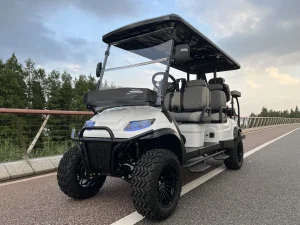
The modern Personal Transportation Vehicle (PTV) sector has evolved far beyond basic turf mobility. In premium commercial fleets, municipal utility networks, and private resorts, EZGO golf cart wheels undergo sustained structural dynamic stresses. Elevating safety and performance requires a shift from standard low-pressure gravity cast processes to high-grade A356.2 aluminum-silicon-magnesium alloys, tempered to T6 heat-treatment specifications.
Aluminum alloy A356.2 provides an exceptional strength-to-weight ratio, vital for offsetting the heavy battery configurations of modern lithium-ion conversions. By reducing unsprung mass, cast alloy wheels optimize acceleration curves and maximize electrical efficiency, directly extending fleet ranges by up to 8% compared to traditional steel configurations.
At XXCART, our mechanical engineers calibrate offset parameters—from deep-dish negative offsets (ET -25) designed for lifted utility carts, to hub-centric configurations designed for street-legal low-speed vehicles (LSVs)—ensuring optimal wheel bearing alignment and minimal scrub radius deviation.
Why premier B2B distributors and global OEMs integrate XXCART component architectures into their premium fleets.
XXCART operates tight CNC machining tolerances within 0.01mm. This eliminates wheel radial runout and lateral dynamic imbalance, minimizing vibration transmission and preventing premature wear on steering linkages, wheel hubs, and brake assemblies.
Manufactured with special structural engineering alloys and finished with architectural-grade UV-resistant coatings. Each wheel model undergoes 240-hour CASS (Copper-Accelerated Acetic Acid Salt Spray) corrosion testing to prevent environmental oxidation.
Tailored OEM/ODM parameter configurations including custom PCD pitch-circle diameters, varying offsets, spoke configurations, brand-engraved center caps, and dynamic color finishes to integrate with custom golf cart bodies.
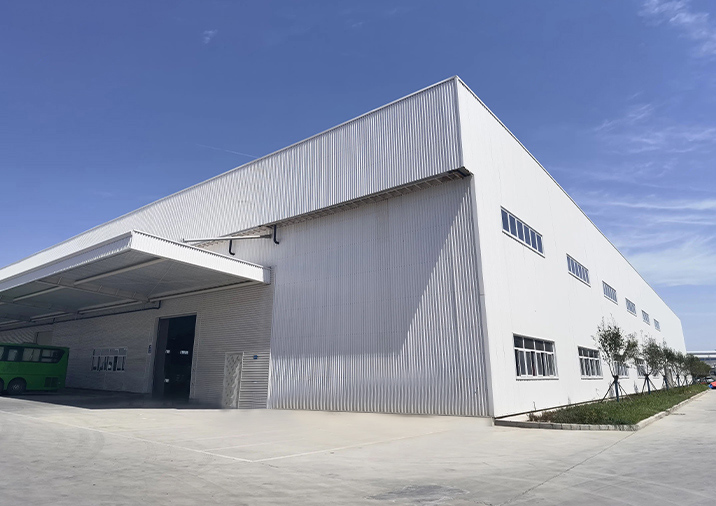
A 50,000㎡ industrial footprint utilizing advanced automated die casting and digitized supply chains to ensure production consistency.
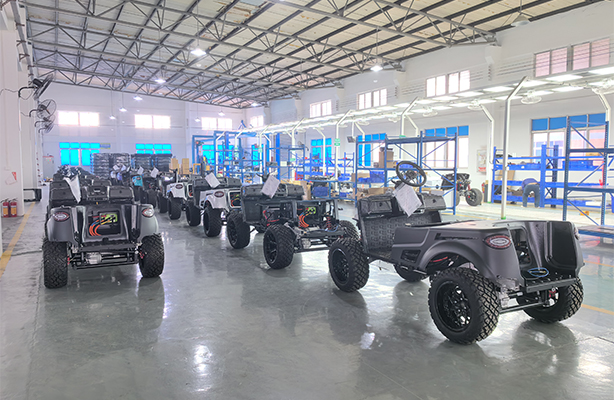
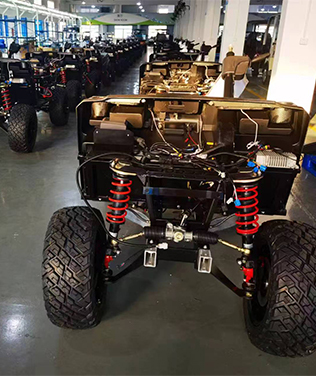
The manufacturing landscape of light electric vehicle components has shifted toward smart manufacturing and automation. XXCART’s Factory 4.0 infrastructure utilizes digital twins and computerized monitoring to manage melt temperatures, casting injection speeds, and cooling cycles with high precision.
By employing automated robotic arms in our gravity casting and low-pressure mold injection cells, we eliminate internal porosity defects in the aluminum structure, avoiding micro-fractures under high impact. The subsequent heat treatment utilizes a computer-controlled T6 solution and aging process to maximize the structural yield strength of the alloy.
Our digital supply chain offers predictability in lead times. Through integrated logistics pathways, raw material procurement, mold fabrication, finish machining, and international freight packaging are tracked in real-time. This provides clear timelines for global wholesale distributors, major golf course operators, and OEM manufacturers.
Wholesale procurement requires precise alignment with target market trends. For instance, in the North American and European sectors, golf cart utility applications are expanding rapidly into municipal transportation, gated community mobility, and industrial estate logistics.
Different environments require specific tire and wheel configurations. In coastal resorts or industrial sites exposed to salt water and chemical cleanings, steel wheels rust quickly. Our A356.2 T6-treated aluminum alloy wheels resist corrosion, offering longevity and structural integrity.
Additionally, commercial fleets operating on rugged resort terrains require deep-dish negative offset designs to widen the wheel track. This shifts the center of gravity downward, reducing tip-over risks on steep gradients and off-road pathways. XXCART provides custom offsets, load-rated configurations, and bolt-pattern variations (including standard 4x4-inch or 4x101.6mm configurations) to integrate with EZGO, Club Car, and Yamaha architectures.
For design engineers and strategic procurement managers, the following reference sheet outlines the critical structural tolerances and physical configurations of our OEM-grade wheel manufacturing line:
| Parameter / Metric | Technical Specification Standard | Performance & Safety Impact |
|---|---|---|
| Material Composition | A356.2 Aluminum Alloy (Si: 6.5-7.5%, Mg: 0.30-0.45%) | Ensures optimal balance between structural weight reduction and tensile strength. |
| Heat Treatment | T6 (Solution heat treat + Artificial aging) | Elevates mechanical yield strength to withstand heavy load profiles. |
| Bolt Pattern (PCD) | 4x101.6mm (4x4 inches) & Custom Configurations | Ensures precise mechanical mounting to EZGO, Club Car, and Yamaha hubs. |
| Offset Options | ET -25mm (Lifted off-road) to ET +15mm (Standard turf/street) | Ensures correct scrub radius alignment, preventing steering lock conflicts. |
| Surface Corrosion Test | 240-Hour Copper-Accelerated Salt Spray (CASS) Testing | Protects outer cosmetic finish from oxidation in saline and maritime environments. |
| Dynamic Radial Fatigue | SAE J2530 Test Protocols (Over 1,000,000 Cycles) | Prevents micro-crack propagation under constant dynamic loading conditions. |
Key technical answers for fleet procurement managers, parts distributors, and automotive customizers.
Answer: The wheel diameter selection affects ride profile, tire sidewall dampening, and ground clearance. Standard 10-inch wheels utilize taller tire sidewalls, offering excellent shock absorption on turf or uneven paved tracks. 12-inch wheels provide a balanced middle-ground, supporting low-profile street tires or moderate all-terrain treads without requiring lift kits. 14-inch configurations are typically paired with low-profile tires for street-legal LSVs (Low-Speed Vehicles) to optimize steering response, or paired with high-volume off-road tires on lifted utility carts for maximum ground clearance. Selecting the right diameter ensures compliance with localized safety and operation requirements.
Answer: Wheel offset determines the horizontal position of the wheel relative to the mounting hub. A neutral offset (ET 0) aligns the centerline of the wheel directly with the hub. A negative offset (e.g., ET -25) pushes the wheel outward, widening the track width. This increases lateral stability on slope operations but increases the load on steering knuckles and wheel bearings. Using high-precision CNC machining ensures that wheel hub interfaces distribute structural loads evenly, reducing bearing wear and maintenance cycles.
Answer: Steel wheels are prone to oxidation in coastal, wet, or chemically treated environments, which can lead to tire bead leaks over time. Aluminum A356.2 alloy wheels do not rust and are significantly lighter. Reducing unsprung weight decreases energy consumption during vehicle startup and braking. This extends battery cycles, especially in lithium-ion fleets, where maximizing efficiency directly translates to lower operational costs.
Answer: Low-cost factories often use recycled aluminum scrap and basic gravity molds without degasification, leading to high porosity and micro-voids inside the spoke sections. XXCART utilizes A356.2 primary ingots, high-pressure die casting, and automated degassing. Our computer-monitored thermal cycles and T6 heat treatments ensure consistent density. We verify structural integrity via X-ray imaging and radial fatigue tests before surface finishing.
Answer: Yes. As an OEM/ODM provider, we customize the wheel molds to accommodate specific PCD configurations (e.g., 4x101.6mm or 4x110mm), unique spoke patterns, customized offsets, and color options. Center caps can be engraved or injection-molded with corporate branding, providing a cohesive brand identity for utility vehicle manufacturers, regional distributors, and luxury hotel chains.
Reliable parts designed to meet or exceed OEM specifications, supporting smooth operations and maintenance efficiency.
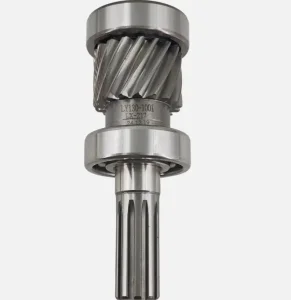
Successful international procurement is built on engineering alignment and strong technical support. Modern light electric vehicle distributors face challenges when integrating parts from separate suppliers. Minor dimensions or offset variations can result in wheel clearance issues, premature tire wear, or uneven braking.
XXCART works directly with client engineers. Utilizing 3D modeling and structural software, we analyze fitment parameters before physical production begins. This ensures compatibility with the vehicle’s spindle, brake drum, and suspension clearance, preventing installation issues.
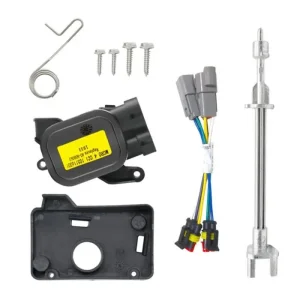
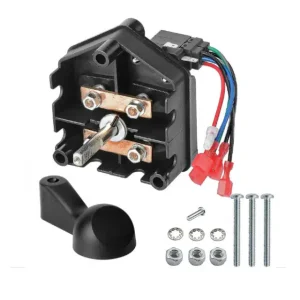
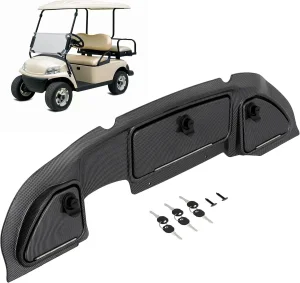
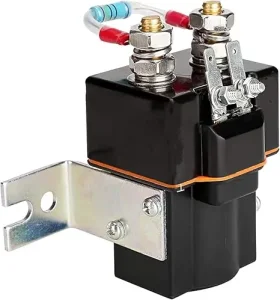
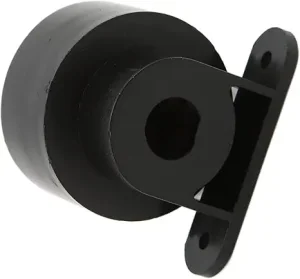
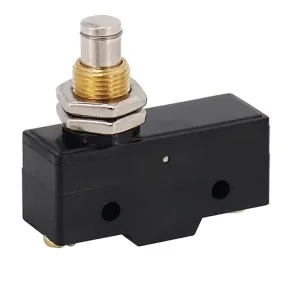
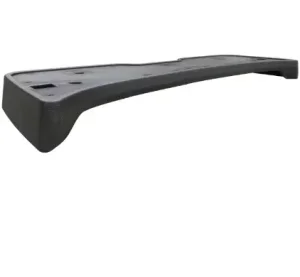
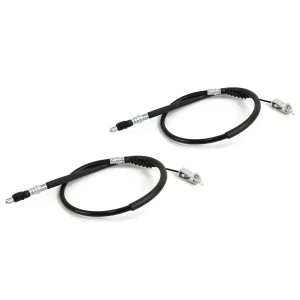
Additionally, we utilize high-dampening PP engineering materials for body panels and protective components to minimize vibration. Combined with precise wheel balancing and robust electrical components (like solenoids, harnesses, and switches), XXCART provides integrated solutions that ensure durability and consistent performance.
 XXCART