Premium OEM and customized aftermarket components designed to exceed OE performance standards. Built with heavy-duty materials for exceptional wear resistance and electrical efficiency.
In electric golf carts and low-speed electric vehicles (LSVs), the solenoid serves as the primary high-current switch connecting the traction battery pack directly to the electronic speed controller. For the highly optimized EZGO RXV platform, utilizing a reliable, premium-grade solenoid is not just a replacement routine—it is a safety-critical and performance-defining decision.
The EZGO RXV uses a continuous-duty solenoid designed to handle heavy electrical currents over extended durations. Unlike ignition solenoids used in internal combustion engines (which only activate for a few seconds to start the motor), the electric RXV solenoid remains closed during the entirety of the cart's operation. When you press the accelerator pedal, a low-current control circuit (usually 36V or 48V depending on the model and controller configurations) energizes an internal electromagnetic coil. This coil pulls down a heavy-duty copper contact block to connect the primary battery bank terminal to the controller input.
A failed solenoid can manifest in two major ways. First, it may fail to close (resulting in a "no-click" symptom or a click with no power passing through), preventing the golf cart from moving. Second, the internal contacts can weld together under high current load, meaning the cart's high-power system remains energized even when the key switch is turned off. For this reason, professional fleet operators must partner with reputable factories that test contact resistance and dielectric strength extensively.
Analyzing the global distribution, technological advancements, and localization dynamics shaping the golf cart and utility vehicle component sector.
The global shift from lead-acid to lithium-ion batteries in golf carts has introduced higher inrush currents. Solenoids must now feature advanced surge protection and higher amp ratings to prevent pre-charge failures and thermal runaway in standard 48V setups.
Next-generation electronic solenoids incorporate temperature sensors and digital diagnostics. Fleet managers in large resorts can remotely monitor the temperature and cycle counts of each contactor to prevent on-course breakdowns.
Regulatory authorities in Europe (RoHS and REACH) and the Americas demand the elimination of hazardous heavy metals. Leading manufacturers are transitioning from cadmium-based contacts to advanced silver-tin matrices.
Vehicles operating in seaside golf courses or industrial chemical plants face severe saline humidity. Solenoids with IP66-sealed casings and chrome-plated brass terminals prevent premature galvanic corrosion.
For custom cargo carriers, utility trucks, and passenger shuttles, the standard 100A-150A solenoids are being replaced with heavy-duty 200A-400A continuous-use variants to handle increased payload strain.
For distributors, workshop chains, and fleet management operators, navigating the procurement of golf cart parts like solenoids, steering shafts, chargers, and hub assemblies can be challenging. A single failure in a cheap component can lead to costly downtime or liability issues. The solution lies in establishing a partnership with an integrated, certified OEM/ODM manufacturing facility.
By standardizing on CE-certified components built to matching imported vehicle parameters, commercial fleets achieve significant reductions in operational costs (TCO). Standardized parts ensure drop-in compatibility, reduced installation times, and consistent operational safety. This is particularly crucial for the EZGO RXV, which uses an advanced AC drive motor system that reacts sensitively to any electrical instability or current ripples.
The future of low-speed electric vehicle (LSV) power transmission is focused on integration and efficiency. Over the next five years, we anticipate several technical shifts:
A Large-Scale, High-Precision Electric Golf Cart & Parts Manufacturer
XXCART is a prominent, technology-driven manufacturer of electric golf carts and precision vehicle components that has proudly obtained full CE certification. By integrating the structural, aerodynamic, and mechanical advantages of top international brands—EZ-GO, Club Car, and Yamaha—we develop cutting-edge solutions customized to the exact needs of modern commercial fleets.
Utilizing premium materials, such as specialized PP automobile engineering plastic for covers (renowned for its high impact strength, elasticity, and paint durability), our carts and replacement parts are built to endure heavy-duty industrial usage. XXCART controls the tooling, machining, and strict quality control operations for most of our catalog items, ensuring you receive replacement parts that match or exceed original OEM specifications.
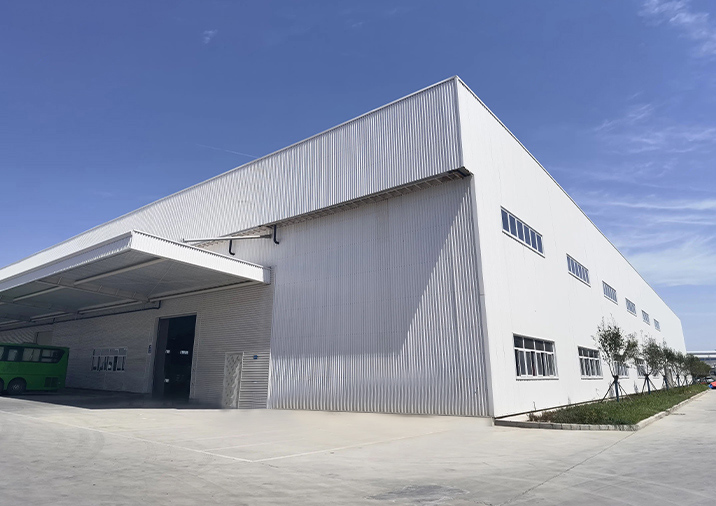
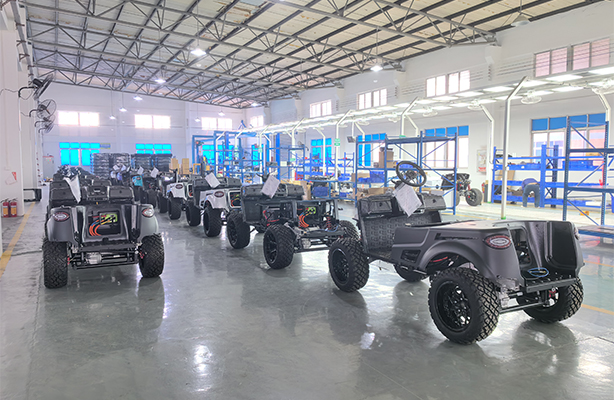
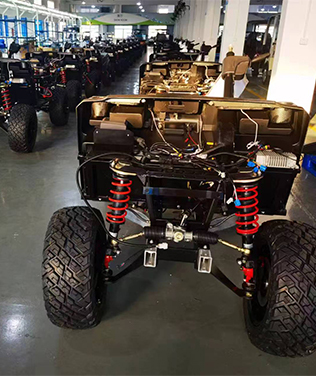
From our modern production plants in China, XXCART supplies key global markets including the USA, Italy, Canada, Belgium, Bulgaria, Ireland, Austria, Norway, Sweden, Denmark, Finland, France, Spain, Brazil, Mauritius, Maldives, Thailand, and the Philippines. Our collaborative model allows us to share brand equity and co-develop products with regional distributors.
"We adhere strictly to the principle of 'Quality First, Customer First'. Our goal is to provide exceptional high-performance components that exceed client expectations, backed by excellent before and after-sales support."
Expert insights on diagnosed failures, operational safety, and system integration specs for EZGO RXV golf carts.
Explore our wider range of precision replacement parts. Fully compatible with Club Car, EZ-GO, and Yamaha drivetrains.
 XXCART