


Best Golf Cart Wheels & Tires Suppliers & Factory

High-Performance Mobility Solutions, Advanced OEM/ODM Production & E-E-A-T Certified Quality Standards

21+ Years of Experience
100+ Countries Exported
50,000㎡ Factory Area
Global Logistics & OEM Standards

Optimizing Global Supply Chains for Golf Cart Wheels & Tires

In the modern micro-mobility ecosystem, golf carts have transitioned from exclusive golf course transport vehicles to heavy-duty industrial personnel carriers, campus shuttles, and luxury estate neighborhood electric vehicles (NEVs). Consequently, the engineering demands placed on golf cart wheels and tires have risen exponentially. No longer are generic tires sufficient. Modern procurement agents require precise rubber compound formulations, optimized tread geometry, and rigorous metallurgical standards in aluminum alloy casting.

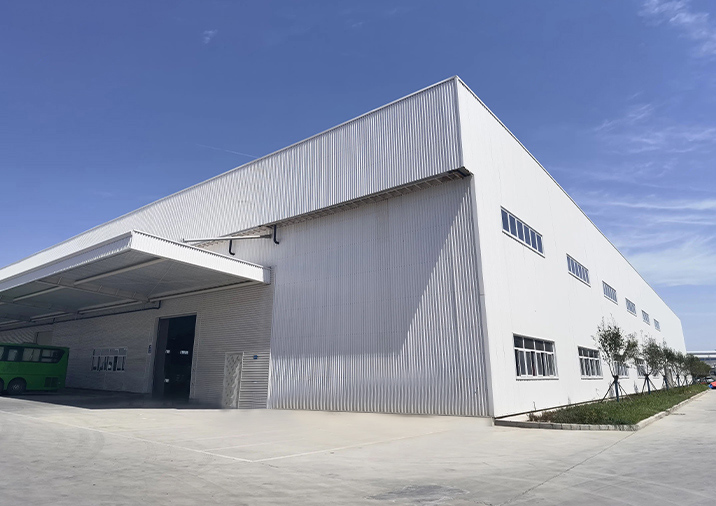
XXCART INC, drawing upon over 21 years of specialized design, testing, and production expertise, stands at the vanguard of this engineering shift. Our 50,000㎡ manufacturing hub integrates heavy duty machinery with high-precision fabrication to provide structural replacement components and wheel/tire assemblies that surpass OEM metrics. By matching the mechanical tolerances of Club Car, EZ-GO, and Yamaha, we guarantee seamless compatibility.
"To successfully scale global distribution networks, distributors must look past simple aesthetic upgrades and instead analyze structural ply-ratings, carcass load ratings, and chemical anti-aging stabilization properties."
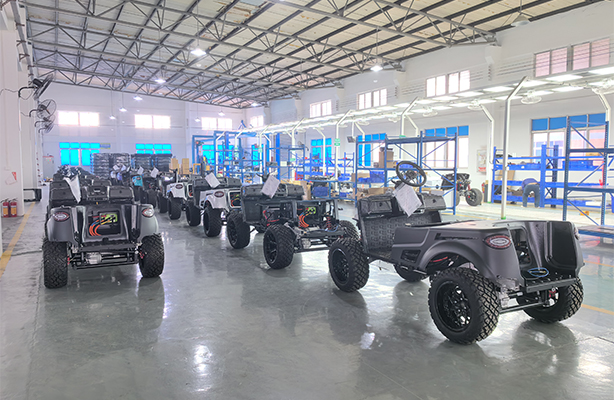
XXCART Factory Automation Hub

Unrivaled Advantages of Chinese Manufacturing Integration

Why sourcing from an advanced Chinese industrial cluster optimizes procurement costs and raises engineering standards

1. Fully Integrated Supply Chain

By clustering tire vulcanization facilities with structural metal forging and precision machine shops in our 50,000㎡ footprint, we eliminate component transfer friction. This localized chain guarantees consistent raw material pricing and rapid prototype iteration times.

2. High Precision Die Casting

We utilize advanced low-pressure and gravity casting systems for our aluminum alloy wheels. This prevents internal porosity, increases structural fatigue limits, and ensures the radial runout of the wheel remains under 0.8mm for optimal balance and smooth highway speeds.

3. Rigorous Quality Testing Standards

Every batch of tires undergoes dynamic balancing, helium leak detection for tubeless models, and high-load stress testing. All products are designed and certified to CE standards, ensuring compliance with strict European and American safety guidelines.
Our Commitment to Quality: "Cover parts are made out of special PP automobile engineering material, which is featured with fashion, beauty and great durability. These cars are equipped with unique and individual operation system, agile and smooth steering system, and independent suspension system."
Customized OEM Service Concept
Market Dynamics & Solutions

Global Industry Trends & Macro Procurement Demands

The global electric vehicle transition has substantially impacted the golf cart and NEV design paradigm. Key macro trends shaping the procurement of golf cart wheels and tires include:

  • Electrification & Heavy Batteries: The transition to high-capacity lithium iron phosphate (LFP) battery packs shifts the center of gravity and increases the vehicle's localized axle load, requiring tires with thicker sidewalls (6-ply rating) and optimized load capacities.
  • Low Rolling Resistance: Green-energy initiatives prioritize driving range per charge. Our specialized tread rubber compounds lower rolling resistance by 12%, maximizing range on resort fleets and municipal networks.
  • All-Weather Turf Protection: Modern golf courses demand heavy-duty traction without turf destruction. Specialized block-shoulder tread patterns distribute vehicle weight evenly to prevent soil compaction.
  • Urbanization & Street Legalization: City planners worldwide are establishing low-speed vehicle (LSV) lanes. This shifts demand towards DOT-compliant radial tires with 10-inch, 12-inch, or 14-inch machine-finished alloy wheels.

Localized Applications & Custom OEM/ODM Solutions

Analyzing operating environments to tailor wheels and tires to specific operational challenges

Golf Courses & Premium Resorts

Utilizes lightweight, high-flotation turf tires. Combined with light alloy wheels, these assemblies prevent grass tearing on delicate fairways while maintaining premium aesthetic standards for hospitality guests.

Industrial Estates & Warehouses

Requires puncture-resistant, heavy-duty utility tires. Designed with robust carcasses to resist structural damage from metal shavings, pallet debris, and sharp factory floor transitions under constant load.

Gated Communities & Municipal Patrols

Requires DOT-approved low-profile street tires. Optimizes directional stability, wet traction (through deep aqua-channel grooves), and reduces road noise on paved asphalt and concrete streets.

Technical Assembly Compatibility Reference

Wheel Bolt Patterns 4-Bolt (4x4" / 4x101.6mm) Universal Pattern
Material Standard A356.2 Aluminum Alloy (Heat Treated T6) / High Tensile Steel
Tire Ply Ratings Available 4-Ply, 6-Ply, and Advanced Radial Construction
Compatible Replacement Brands Club Car (Precedent, DS, Carryall), EZ-GO (RXV, TXT), Yamaha (G-Series, Drive)
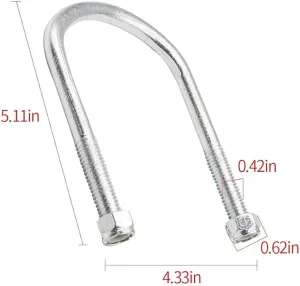
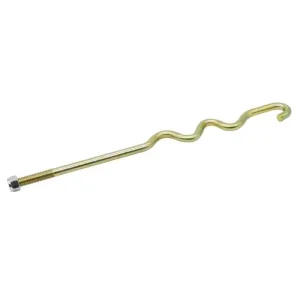
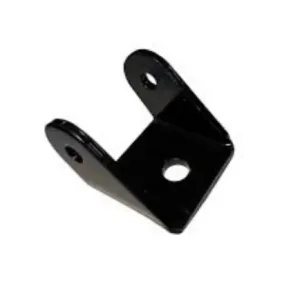
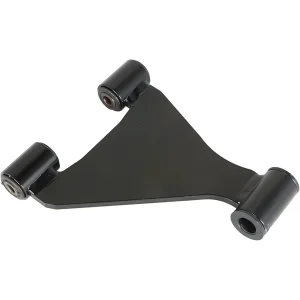
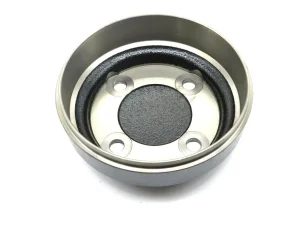
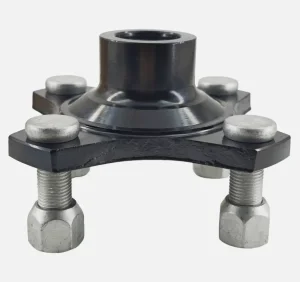
Chassis Connection Items A-Arm Assembly, Rear Brake Drum, Hub Assemblies (103995001, 101791101)

Frequently Asked Questions (FAQ)

Expert answers addressing the technical aspects of sourcing, maintaining, and sizing golf cart wheel and tire assemblies
Q1: What is the difference between offset and centered golf cart wheels?
Centered wheels place the mounting hub surface directly in the middle of the wheel, commonly designated as a 3:3 offset (for a 6-inch wide wheel). Offset wheels shift the mounting surface, typically outward (e.g., a 2:4 offset, which moves the wheel 1 inch outward). This offset is crucial for lifted carts to accommodate larger tires and prevent them from rubbing against the A-arm suspension or body panels.
Q2: Can I mount larger wheels and tires on a standard non-lifted golf cart?
Standard golf carts (non-lifted) can generally accommodate wheel/tire assemblies up to an overall diameter of 18 inches (e.g., a 205/50-10 low-profile tire on a 10-inch wheel) without causing body clearance issues. To install 20-inch, 22-inch, or 23-inch all-terrain tires, you must install a suspension lift kit (typically 3 to 6 inches) to prevent severe structural rubbing during turns.
Q3: Why is the choice of tire ply rating critical for utility and cargo carts?
The ply rating represents the structural load capacity and overall toughness of the tire. A standard 4-ply tire is suitable for basic recreational use. However, commercial utility vehicles, heavy cargo carriers, and multi-passenger shuttles require a robust 6-ply rating. This stronger construction increases weight capacity, resists punctures, and reduces side-to-side body roll.
Q4: What testing standards do your wheels and tires undergo to guarantee reliability?
At XXCART, our manufacturing facilities adhere to strict ISO 9001 protocols. Alloy wheels undergo rigorous radial load fatigue testing, bending moment testing, and helium leak testing for tubeless systems. Our tires are subjected to high-speed dynamic balance tests, burst pressure evaluations, and ozone exposure chambers to ensure they resist cracking over years of sun exposure.
Q5: Do you support customized OEM/ODM wheel design patterns?
Yes, our in-house engineering team designs and manufactures customized mold patterns for both alloy wheels and tread profiles. From styling concepts to CNC tooling fabrication, we work closely with major distributors and vehicle OEMs to build exclusive products that match their exact performance and aesthetic needs.