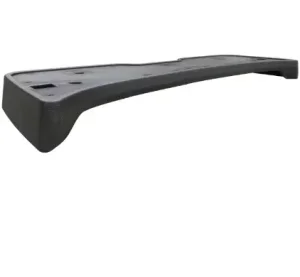
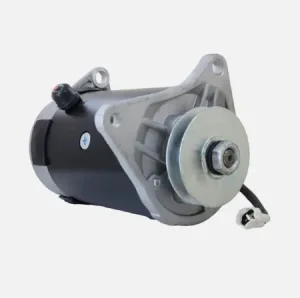
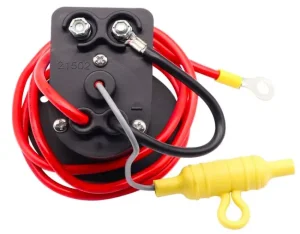
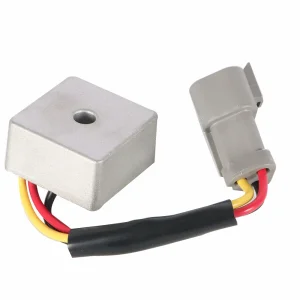
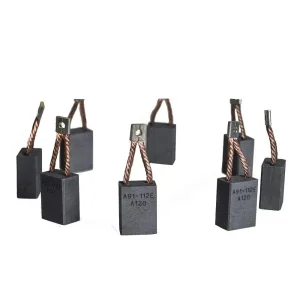
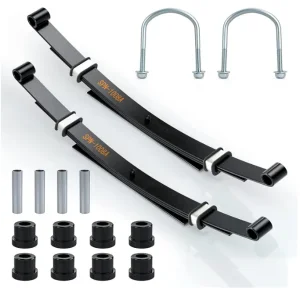
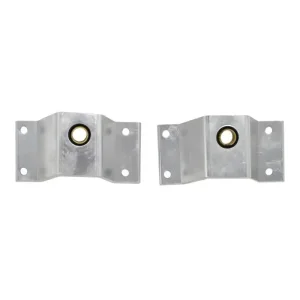
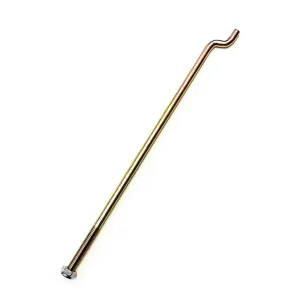
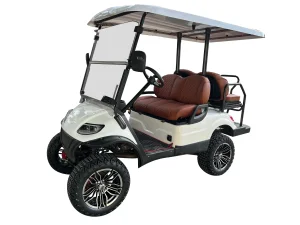
Premium mechanical replacements, electronic controls, and heavy-duty structural parts certified for global deployment
Integrating Advanced Mechanical Engineering & Global Regulatory Standards
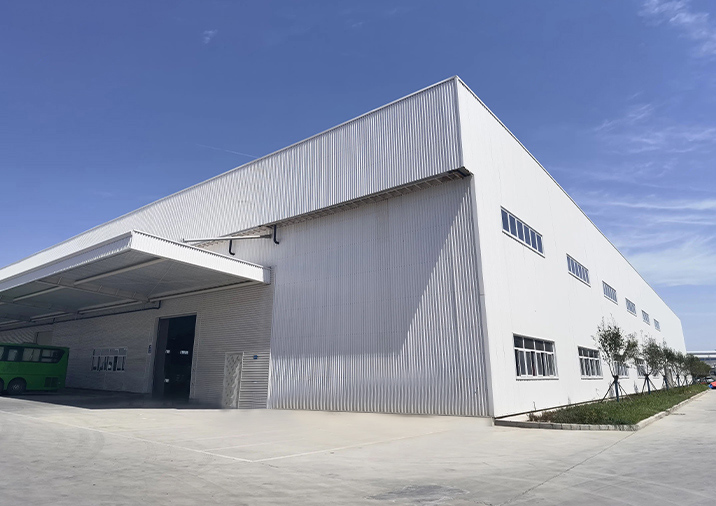
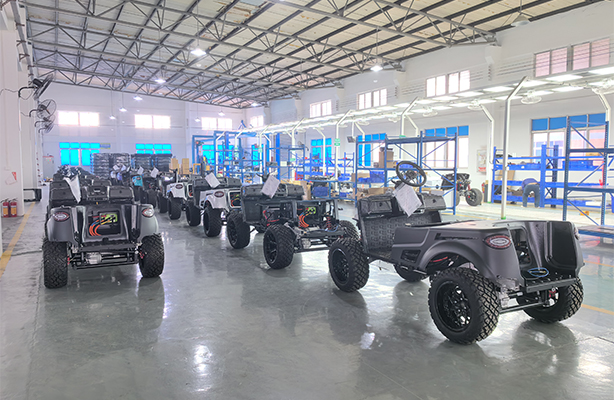
XXCART is a leading manufacturer of high-end electric golf carts and precision-engineered replacement parts. We seamlessly integrate the engineering advantages of major utility vehicle architectures including EZ-GO, CLUB CAR, and YAMAHA. By incorporating advanced mechanical systems and rigid stress-testing routines, we have developed high-performance component series designed in strict compliance with the international technical specifications of imported electric utility vehicles.
Our infrastructure supports comprehensive, low-tolerance fabrication, enabling our products to meet or exceed original equipment manufacturer (OEM) performance baselines, ensuring maximum safety, system responsiveness, and long service lifetimes in commercial environments.
Precision-molded bodywork, smooth transmission interfaces, and heavy-duty mechanical controls
XXCART adheres to rigorous quality control methodologies, providing global utility fleet users with secure, low-tolerance brake linkages, structural assemblies, and ecological drive components.
By leveraging advanced PP automobile engineering composites, carbon steel wire drawing systems, and polyurethane exterior casings, our components demonstrate robust resistance to environmental degradation.
Our engineering division designs customized system parameters—such as adjusted tension ratings, customized sheath lengths, and enhanced brackets—to address distinct geographic terrain challenges.
A comprehensive analysis of structural dynamics, material specifications, and regulatory compliances governing critical braking linkages
In low-speed electric vehicles (LSVs) and utility golf carts, the brake cable serves as the primary physical link transmitting pedal force to the rear drum brakes. In Club Car DS and Precedent models, this system utilizes a dual-cable architecture (driver-side and passenger-side cables) linked to a central equalizer bracket. Because these vehicles are frequently operated in corrosive environments—such as coastal resorts, chemical-heavy golf courses, and dusty industrial estates—the mechanical integrity of this cable is paramount.
A typical high-integrity Club Car brake cable manufactured by XXCART features a 1x19 multi-strand galvanized steel core wire. This construction balances tensile strength and high flexibility, preventing structural fatigue under cyclic stress. The core wire is housed in a multi-layered housing comprising:
For B2B procurement managers representing golf cart rental fleets, municipal services, or global distribution channels, securing brake cables is not merely about finding the lowest cost unit. It involves mitigating significant liability risks. Sudden brake line failure can result in property damage, passenger injuries, and costly litigation. As a result, professional buyers focus on several critical criteria during supplier audits:
By operating under strict CE and ISO quality frameworks, XXCART addresses these B2B requirements. Our incoming inspection protocols verify the purity and carbon content of the raw steel, while our post-assembly test fixtures apply dynamic pull forces to ensure the cable ends (swaged terminals) do not separate from the wire core under extreme operating pressures.
The global light electric vehicle market is moving toward heavier payloads and faster speeds. Utility cargo models and multi-passenger people-movers require reinforced braking architectures. In response to these changes, we have engineered heavy-duty brake cables with increased core wire diameters and reinforced terminal connections. This meets the demands of corporate operators who require components that can withstand constant stop-and-go cycles in challenging conditions like steep inclines and high-occupancy transport routes.
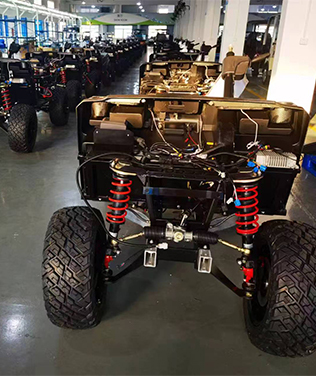
XXCART has established a robust distribution network spanning the United States, Canada, Italy, Belgium, Norway, Brazil, and Southeast Asia. We understand that localized compliance is critical for successful market entry. All our Club Car brake cables and associated electrical/mechanical components conform to CE certification standards, assuring compliance with European safety regulations. Furthermore, we maintain a dedicated technical support system, including engineering dispatch capabilities, to quickly resolve complex installation or calibration issues for our clients.
Our commitment to continuous innovation in mechanical control systems and materials science
Developing advanced co-extruded inner sleeves embedded with micro-encapsulated dry lubricants, extending cable lifetimes to over 150,000 cycles without maintenance.
Integrating miniature inline load cells within brake linkages to transmit real-time cable tension telemetry to vehicle dashboards, warning operators of slack before performance drops.
Transitioning external protective casings to bio-based, recyclable polyurethane formulas to support sustainable manufacturing without compromising tensile strength or environmental resistance.
Detailed engineering answers to assist procurement directors, service technicians, and distribution partners
The primary differences are cable length and mounting bracket configurations. Club Car DS models (especially pre-2000 vs. post-2000 designs) utilize varying structural lengths and equalizing connections compared to Precedent models. It is critical to reference correct OEM part numbers (e.g., 102531402 or similar passenger/driver-side designations) to ensure correct compatibility during replacement.
Our products undergo third-party laboratory evaluations to verify compliance with mechanical safety directives. This includes tests for tensile strength, component durability, and chemical safety under RoHS regulations. This ensures our components meet the legal import and operating standards required by European Union markets.
Yes. Through our comprehensive OEM/ODM engineering program, we accommodate adjustments to overall cable lengths, travel distances, and bracket orientations. We can also customize the external jacket colors to align with proprietary fleet branding, subject to minimum order quantities.
For commercial fleets operating in high-demand environments (e.g., airports, industrial sites, hilly resorts), we recommend performing a visual inspection every six months. Check for physical wear, jacket splits, or corrosion. Cables should generally be replaced every 2 to 3 years to maintain optimal stopping distances and satisfy regional safety regulations.
We line our cable housings with extruded PTFE sleeves. This provides a low-friction surface that prevents the inner steel wire from binding, ensuring smooth, consistent pedal operation even when the cable is routed through tight frame contours.
Typical production lead times for standard volume orders run between 25 to 35 days from technical sign-off. For customized OEM designs requiring custom tooling or brackets, initial sampling adds approximately 14 days to the development timeline.
Premium mechanical replacements, electronic controls, and heavy-duty structural parts certified for global deployment
 XXCART