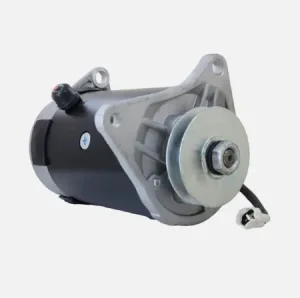
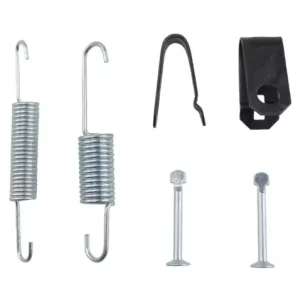
Explore our engineering portfolio of certified electrical parts, heavy-duty contactors, and high-performance hardware engineered for Club Car Precedent and global cart architectures.
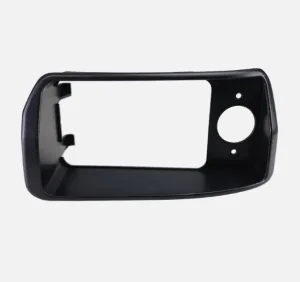
A trusted global manufacturer specializing in custom electrical, electromechanical, and design systems for performance electric vehicles.
XXCART is a prominent, fully integrated manufacturer of electric golf cart electrical components and chassis structures. By synergizing the design parameters of E-Z-GO, Club Car, and Yamaha with our proprietary structural innovations, we deliver components that strictly adhere to international quality benchmarks, reinforced by comprehensive CE certification.
How our technical designs overcome high-voltage switching constraints and optimize drivetrain life cycles.
Each solenoid coil winding and contact plate alignment is calibrated to sub-micron accuracy, minimizing voltage drop and preventing contact welding during peak current draw.
Housing units are constructed from advanced engineering resins and double-sealed casings, offering IP66 protection against dust, water ingress, and vibrational stress.
Configurable coil ratings (36V, 48V, or 72V) and continuous duty profiles match specific controller configurations, such as Curtis, Navitas, or Alltrax controllers.
In-depth technical analysis on electromechanical switching, safety certifications, and thermal performance parameters.
In contemporary electric vehicles, particularly the Club Car Precedent running on IQ, Excel, or E.R.I.C. electrical systems, the solenoid functions as a primary electromechanical switch. Controlled by the low-current key switch and pedal microswitch circuit, the solenoid routes the heavy-current battery pack output directly to the motor speed controller. High inductive load switching creates a major design challenge: contact arcing. When the solenoid contacts open or close, high energy surges can carbonize the contact pads, causing electrical resistance to spike, or worse, fusing the contacts permanently shut.
XXCART designs and manufactures solenoids using premium silver-alloy contact pads rather than standard copper. The inclusion of silver oxide dramatically improves contact wear resistance and electrical conductivity under high starting current peaks (often exceeding 300 Amps during initial torque demands).
Obtaining CE certification is not simply a regulatory tick box—it is a proof-of-concept for electrical safety and electromagnetic compatibility (EMC). Under European Directives, a certified solenoid must undergo rigorous testing regimes, including:
At our 50,000㎡ manufacturing plant in China, we leverage automated coil-winding machines, computerized multi-stage quality control benches, and laser-guided micro-soldering equipment. This smart factory setup ensures that every single batch of Club Car Precedent solenoids maintains consistent resistance across the activation coil (typically calibrated to 240 ohms for 48V systems).
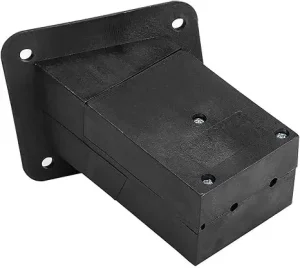
Furthermore, by vertically integrating components like cover parts made from heavy-duty PP automobile engineering material, we mitigate external supply chain disruptions, allowing us to guarantee stable delivery schedules and cost efficiencies for global volume purchasers.
As electric utility vehicle fleets transition to high-density Lithium Iron Phosphate (LiFePO4) battery packs, the electromechanical interfaces must evolve. Lithium packs exhibit significantly lower internal resistance compared to traditional flooded lead-acid batteries, leading to higher inrush currents.
Our tech roadmap is focused on "Smart Solenoids" featuring built-in pre-charge resistors and diagnostic sensors. By tracking micro-voltage drops and temperature changes across the contacts, the next-gen solenoid will communicate telemetry directly with the vehicle's central Controller Area Network (CAN-bus), enabling predictive maintenance alerts before a critical failure occurs in the field.
Understanding that different fleet operators encounter varying environmental challenges, XXCART offers bespoke modification programs. For coastal resorts in damp environments like the Maldives, or heavy industrial operations in Sweden and Canada, we offer specialty housings, extra-heavy duty plating on terminals, and custom mounting brackets.
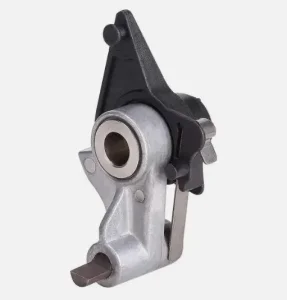
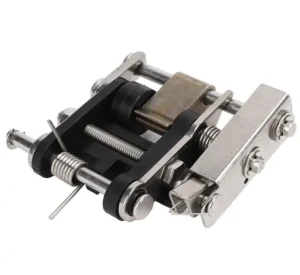
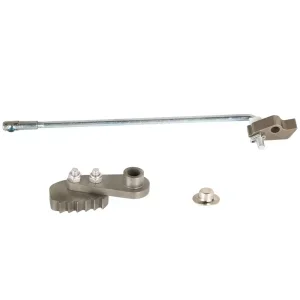
Our engineering team is equipped to optimize the complete electrical path of the vehicle. Whether replacing the accelerator pedal assembly with an updated conversion kit or replacing brake pawl locks, our items are engineered to match or exceed OEM benchmarks.
Send an inquiry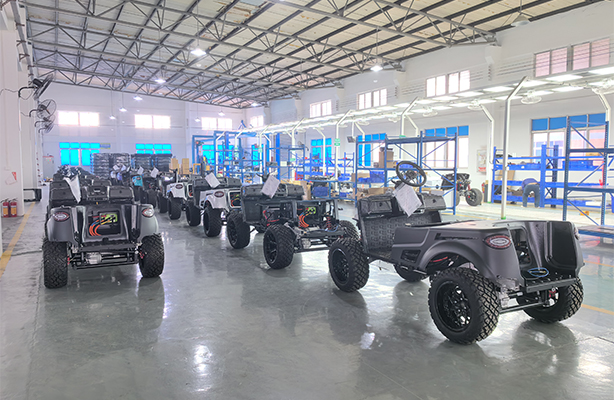
With active distribution channels spanning the USA, Italy, Ireland, Brazil, Thailand, and the Philippines, we have established localization frameworks to support diverse corporate clients.
Our quality control department enforces a strict double-stage testing program. Solenoids undergo 100% functional testing, checking coil activation pull-in voltage, contact voltage drop under load, and drop-out voltage characteristics.
Following our core value proposition, "Quality first, Customer first," we offer dedicated engineering access for bulk purchase clients. If complex diagnostic questions arise in the field, we can deploy engineers to troubleshoot directly with your maintenance team.
Expert answers to the most common questions regarding solenoid diagnostics, installation, and performance upgrades.
The most common symptom is a click sound when pressing the accelerator pedal, but the cart fails to move. Alternatively, if there is no audible click, the coil may have failed open. A third symptom is a cart that runs intermittently or experiences a sudden drop in speed, indicating internal contact resistance has exceeded limits.
CE certification confirms that the solenoid complies with crucial European health, safety, and environmental protection standards. It ensures the component will not fail catastrophically under continuous electrical loads, and prevents electromagnetic interference with other electronics on the golf cart.
No. Using a 36V solenoid on a 48V battery pack will quickly burn out the internal electromagnet coil due to excess voltage. Conversely, using a 48V solenoid on a 36V system will not generate enough magnetic field to consistently close the contacts, leading to arcing and immediate contact damage.
The resistor pre-charges the controller’s internal capacitors, minimizing the current surge (inrush) when the contactor closes, which extends contact plate life. The flyback diode protects the speed controller and pedal switches from high-voltage spikes created when the solenoid coil de-energizes.
We use a unique silver-alloy contact disc rather than standard copper. This material has a much higher melting point and resists oxidation under high-current contact transitions, preventing the contacts from welding shut during peak power draws.
Under standard operating environments, our solenoids are designed to achieve over 100,000 electrical cycles. This is achieved through automated precision winding of the coils and using premium automotive-grade plastics for the housing assembly.
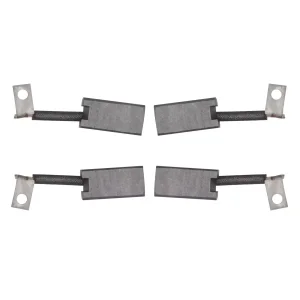
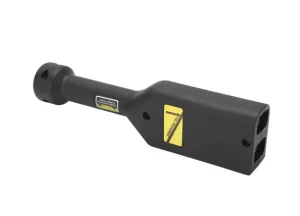
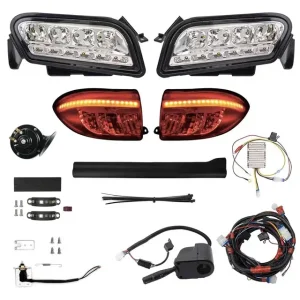
Keep your fleet running with our replacement brackets, wiring accessories, brushes, and lighting assemblies built to factory standards.
 XXCART