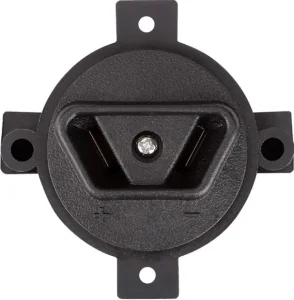
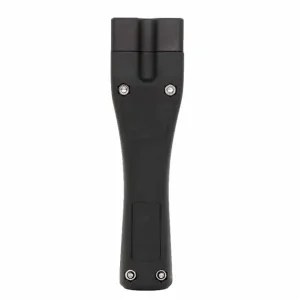
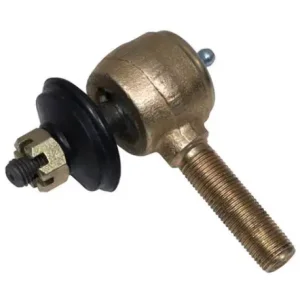
CE Certification Club Cart Speed Sensor Supplier & Factories

Pioneering High-Precision Velocity Sensing Solutions and Integrated Powertrain Systems for Global Commercial Fleets

Industrial Whitepaper: The Critical Role of Speed Sensors in Modern Electric Fleet Control

In the rapidly expanding landscape of micro-mobility and low-speed electric vehicles (LSEVs), the efficiency of the powertrain is highly dependent on real-time feedback loops. The Club Car Speed Sensor serves as the central nervous system for motor speed regulation, ensuring the electronic control unit (ECU) receives millisecond-level telemetry to control speed curves, optimize battery depletion rates, and govern regenerative braking cycles.
Traditionally, speed detection in electric golf carts relied on mechanical governors or rudimentary optical sensors susceptible to moisture, mud, and thermal cycling. Modern engineering paradigms have transitioned completely to Hall Effect sensing technologies. By using magnetic impulse wheels (magnet rings) fixed on the armature shaft of the motor, Hall Effect sensors capture transitions in magnetic flux, converting them into precise digital square waves. This signal is processed directly by controllers to stabilize speed profiles, particularly under heavy loads, steep inclines, or in fleet operations where strict geofencing limits apply.

High-Frequency Telemetry

Delivers continuous pulse-width modulated (PWM) data to the motor controller to prevent speed stuttering and maintain constant torque profiles.

E-Safe Brake Governance

Ensures correct deceleration feedback, triggering smooth regenerative braking without putting stress on the mechanical drivetrain.

IP68 Environmental Shielding

Fully potted electronics prevent failure from water intrusion, dirt buildup, and the harsh chemical environments of golf courses.

21+
Years of Manufacturing Experience
100+
Countries & Regions Reached
50,000㎡
State-of-the-Art Factory Area
CE
Certified Quality Compliance

Customized OEM/ODM Services & Integrated Engineering

At XXCART, we approach component manufacturing from an integrated vehicle perspective. Our cover parts are constructed from a special PP automobile engineering material, ensuring high durability, structural integrity, and aesthetic design. We combine the design principles of major industry standard brands—EZ-GO, Club Car, and Yamaha—with our own proprietary technical advancements.
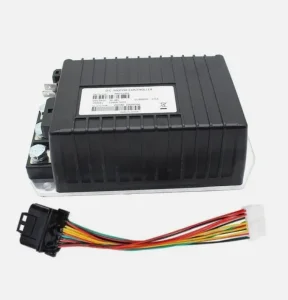
These advanced platforms feature specialized operating systems, smooth steering systems, and independent suspension arrays. Utilizing this vehicle-wide technical expertise, we manufacture aftermarket electrical components (like speed sensors, MCOR controllers, and wiring harnesses) that meet or exceed OEM specifications.
  • Customized sensor parameters (PPR calibration, connector terminals, cable lengths)
  • In-house tooling and precision plastic injection molding
  • Environmental testing including thermal shock, salt spray, and vibration profiles
  • Advanced technical integration with imported electric vehicle platforms
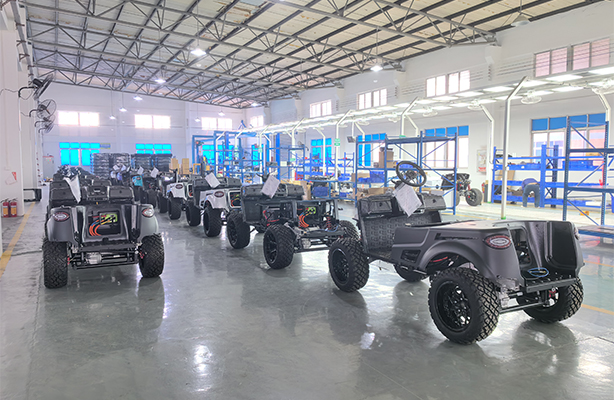
XXCART Advanced Manufacturing Facility

Advanced Technical Analysis: Chinese Manufacturing Leadership in LSEV Components

1. The Supply Chain Density Advantage

The concentration of high-quality electronics production in China's industrial zones offers significant advantages for globally active OEMs and parts distributors. Close proximity to semiconductor suppliers, high-precision potting compound factories, and automated assembly facilities shortens R&D phases and simplifies production scheduling. This allows us to scale production volume quickly while maintaining consistent unit costs, providing global procurement teams with a reliable supply of replacement sensors.

2. Quality Assurance Protocols and CE Compliance

Quality assurance at scale requires strict adherence to international standards. For speed sensors exported to Europe and North America, CE certification is essential. It guarantees compliance with electromagnetic compatibility (EMC) guidelines under Directive 2014/30/EU. A certified speed sensor prevents electrical noise from interfering with the cart's motor controller, vehicle communications, or nearby devices, ensuring safe operation in varied commercial environments.

3. Advanced Materials and Environmental Resilience

Unlike basic sensors, premium sensors use high-grade polyphenylene ether (PPE) or glass-fiber reinforced PBT housings. This construction resists heat buildup near the motor and protects against common golf course chemicals, fertilizers, and cleaning agents. The internal circuitry is encapsulated in industrial-grade epoxy potting material to absorb vibrations and thermal expansion, preventing failures in hot climates, heavy rains, or coastal areas.

Global Procurement, Fleet Logistics & Micro-Mobility Solutions

Global Supply Chain Logistics and Quality Check
Modern fleet managers prioritize minimizing vehicle downtime. When a Club Car speed sensor fails, the motor controller defaults to a "limp-home" mode, limiting speeds to roughly 8 mph to protect the motor from voltage spikes. For commercial operations like resorts, airports, and urban delivery hubs, this leads to immediate operational delays.
XXCART addresses these logistics challenges by providing high-reliability, long-lasting replacement parts directly from our certified facilities. Our comprehensive testing processes verify that each sensor matches the electronic parameters of original Club Car IQ, Excel, and DS powertrains, allowing for direct replacement with minimal vehicle downtime.

International Market Distribution

With a focus on global markets, our products are distributed across regions including the USA, Italy, Canada, Belgium, Bulgaria, Ireland, Austria, Norway, Sweden, Denmark, Finland, France, Spain, Brazil, Mauritius, Maldives, Thailand, and the Philippines. We work closely with our partners to share brand value and co-develop products, adapting styling, configurations, and technical specifications to meet regional demands.
Our service process supports customers throughout the product lifecycle. In addition to pre-sale consultations, we provide after-sale engineering support to resolve field issues, ensure smooth integration, and optimize the performance of customer fleets.

XXCART Quality Principles

High Precision

XXCART is committed to providing high-quality, safe, and environmentally friendly products. We design our components to match precise electrical specifications, ensuring stable communication between the sensor and the speed controller.

Sturdy & Durable

We use technology to drive product improvement. By innovating our materials and manufacturing processes, we build durability into each part, ensuring long performance lifetimes under demanding conditions.

Customized Systems

We aim to meet the growing needs of our customers. Through customized engineering support, we adapt electrical connectors, housing geometries, and sensor sensitivity to match specific requirements.

Leading Market Share in China

We manage and control the tooling, design, and manufacturing processes for a large portion of our product catalog. This internal integration allows us to maintain consistent quality and cost efficiency. Our primary OEM replacement parts cover Club Car, E-Z-GO, and Yamaha systems. We aim to supply components that meet or exceed the performance parameters of original parts at a competitive price point.
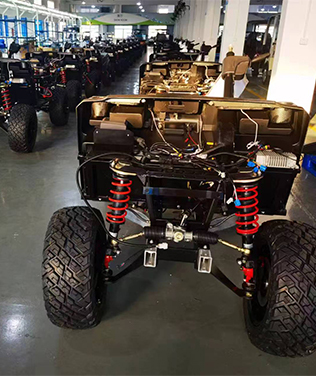
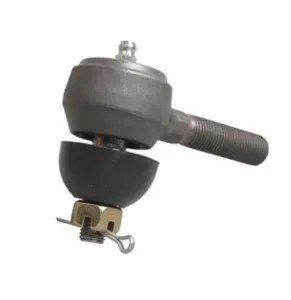
Production Line Verification

Technical Q&A & Troubleshooting Reference

What are the common symptoms of a failing Club Car speed sensor?
When a speed sensor fails, the most common symptom is the vehicle entering "limp mode," which limits its speed to approximately 8 mph. Additionally, the vehicle may experience shuddering or hesitating under load, a loss of regenerative braking capacity, or erratic acceleration. Diagnostic tools will show a lack of pulse inputs from the sensor assembly during these periods.
How does the speed sensor communicate with the controller, and why is calibration critical?
The speed sensor uses a Hall Effect IC to read a magnet ring rotating on the motor shaft. The sensor translates the magnetic flux transitions into electrical pulses. The controller counts the frequency of these pulses to calculate real-time RPM and linear speed. Precise calibration is critical; deviations in magnetic pulse timing can cause incorrect speed readings, causing the controller to limit power output.
Why is CE certification important for these sensors?
CE certification ensures the speed sensor meets European Union health, safety, and environmental standards. Crucially, it verifies conformity with electromagnetic compatibility (EMC) regulations, indicating that the sensor does not emit excessive high-frequency noise and is shielded against external electromagnetic interference (EMI) from the motor and other electronics.
What is the difference between ADC and GE motors regarding speed sensor configuration?
Advanced DC (ADC) motors and General Electric (GE) motors use different speed sensor shapes and mountings. ADC motors generally use a sensor that clips into the motor housing end cap, with a flat plug interface. GE motors typically use a sensor with a bolt-on housing design. Selecting the correct sensor style is necessary for compatibility with the specific motor version.
How does the MCOR unit integrate with the speed sensor loop?
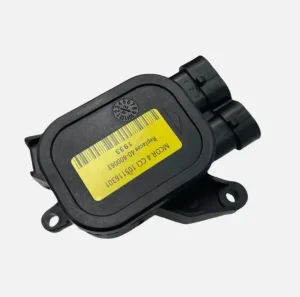
The Motor Controller Output Regulator (MCOR) works as a throttle potentiometer, sending a voltage signal that indicates the desired throttle input. The motor controller cross-references this command with the actual speed feedback from the speed sensor. This comparison allows the controller to adjust power output to keep speed aligned with throttle input, even on changing terrains.