The global paradigm of transportation is experiencing an unprecedented shift toward electrification, sustainability, and micro-mobility solutions. Within this ecosystem, golf cars and low-speed utility vehicles (LSEVs) have transcended their traditional environments. No longer restricted solely to the pristine turf of golf courses, modern golf carts function as key transportation links in integrated resort operations, municipal parks, heavy-industrial complexes, gated neighborhoods, and airports.
At the core of this vehicle architecture lies a critical component that links the chassis directly to the driving surface: the tire assembly. Yamaha golf carts, celebrated for their mechanical reliability and advanced power dynamics, require tires engineered to strict specifications. For international buyers, fleet managers, and industrial procurement departments, acquiring tires with a verified CE certification is essential for compliance and mechanical performance.
This engineering whitepaper explores the design pathways, material formulations, compliance certifications, and production processes that define high-performance, CE-certified golf cart tires suitable for Yamaha fleets and compatible vehicles.
Designing a tire that delivers reliable performance on delicate greens while sustaining industrial heavy-load operations on abrasive concrete requires balancing multiple variables. XXCART, drawing on decades of research, manages this balance through material science and structural optimization.
Tires are fabricated using a sophisticated compound matrix that combines natural rubber with high-grade synthetic rubbers, such as Styrene-Butadiene Rubber (SBR) and Polybutadiene Rubber (PBR). To ensure safety on paved pathways, carbon black filler is paired with high-dispersible silica compounds. This reduces rolling resistance—which directly extends the battery range of electric golf carts—while enhancing wet grip capabilities.
For resort operations, XXCART produces specialized non-marking compounds. These use silica-based materials rather than traditional carbon black, eliminating black tire marks on high-end concrete paths, luxury hotels, and indoor industrial floors.
A golf cart tire's carcass determines its load distribution and ride comfort. Standard tires feature either bias-ply or radial-ply configurations:
The tread design is engineered to optimize contact pressure distribution. Classic turf-rider treads utilize rounded shoulders and smooth rib designs. This prevents turf shearing during tight pivot turns, protecting golf course fairways. Conversely, all-terrain (AT) treads feature deep lugs and self-cleaning channels to displace mud, sand, and gravel on off-road terrain.
For tires distributed within the European Economic Area (EEA) and global markets that respect EU standards, the CE Certification is a fundamental safety and compliance marker. It demonstrates that the tire meets stringent safety, environmental protection, and mechanical health criteria under applicable EU directives.
CE certification for golf cart components—especially those utilized on public low-speed roads—requires third-party testing across several key parameters:
CE marking confirms adherence to strict safety standards, minimizing risk of structural blowouts and bead slippage under heavy industrial loads.
Infused with specialized anti-ozonant polymers to prevent dry rot and sidewall degradation, ensuring reliable performance in harsh weather.
Optimized low rolling resistance formulations reduce battery load, enabling electric vehicles to run further per charge.
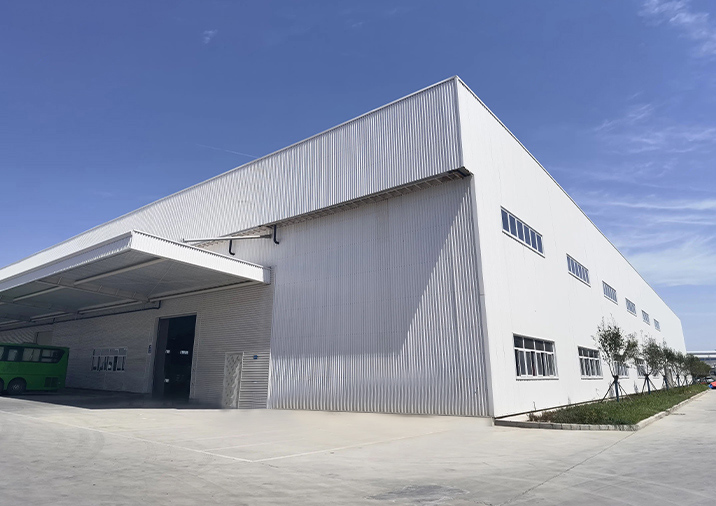
Founded as a manufacturer of electric vehicles and high-precision components, XXCART INC operates a 50,000 square meter facility. With over 21 years of experience, our manufacturing systems produce golf cart components and customized vehicle solutions that meet the requirements of international markets.
XXCART builds vehicles and parts that integrate the functional advantages of top-tier platforms—including E-Z-GO, Club Car, and Yamaha. Leveraging advanced manufacturing processes, we develop parts designed to meet or exceed imported technical specifications. We design and construct our tooling in-house, ensuring quality control across all parts.
Our manufacturing capabilities are supported by computerized rubber mixing, automated steel-belt wrapping systems, and high-precision vulcanization presses. Every batch of rubber compounds is tested for tensile strength, elongation, and abrasion resistance before entering the extrusion phase.
Additionally, our facility features dynamic testing rigs. These machines run tires under simulated loads on steel drums for hundreds of continuous hours. This testing protocol ensures the tires satisfy both internal safety margins and international CE standards before leaving the factory.
Our manufacturing philosophy focuses on customization. Every project has unique requirements, which is why XXCART offers comprehensive OEM and ODM solutions. Our design and engineering teams work alongside buyers to develop specialized solutions for target markets.
For example, our vehicle body panels are manufactured from specialized PP automobile engineering materials. This polymer blend offers excellent flexibility, impact resistance, and durability under varied weather conditions.
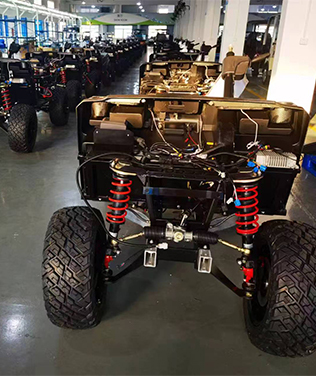
By combining these materials with high-performance chassis assemblies, responsive steering systems, and independent suspension units, we build vehicles that remain stable on challenging terrain.
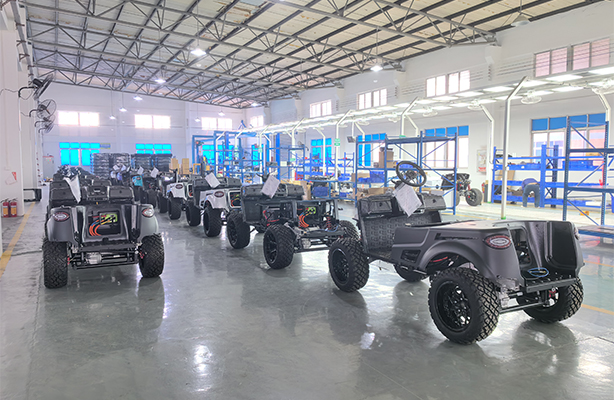
Our customization options cover several key performance parameters:
XXCART operates in more than 100 countries and regions. Our key export markets include the United States, Italy, Canada, Belgium, Bulgaria, Ireland, Austria, Norway, Sweden, Denmark, Finland, France, Spain, Brazil, Mauritius, the Maldives, Thailand, and the Philippines.
Exporting globally requires meeting diverse international regulatory standards. Our products comply with specific local regulations, including DOT standards in North America and CE certifications in European markets.
We provide before-sale and after-sale support for our international clients. Our engineering team is available to travel internationally to resolve operational challenges, assist with fleet maintenance, and consult on tire selection for large-scale resorts and municipal projects.
By establishing strategic partnerships in each target country, we share market insights and co-develop products that address local requirements. This approach ensures our replacement parts align with OEM specifications, offering fleet operators reliable, cost-effective solutions.
The future of low-speed electric vehicle components relies on smart technology, sustainable materials, and flat-proof designs. XXCART's research division is currently developing the next generation of tires:
 XXCART