OEM-compatible structural components, power receptacles, and performance-critical accessories
The global transition toward high-efficiency utility electric vehicles demands reliable energy infrastructure. At the core of this movement lies the need for robust, high-performance battery replacements. As systems evolve from standard lead-acid packs to intelligent Lithium Iron Phosphate (LiFePO4) systems, understanding OEM specs, component sourcing, and supply-chain logistics becomes critical for fleet operators worldwide.
Electric golf cars and utility buggies have transitioned from seasonal recreation vehicles to year-round industrial and transportation workhorses. Resorts, commercial real estate developers, massive warehouse complexes, and municipal utility providers rely heavily on fleets powered by electric drivetrains. In the competitive OEM Club Car space, battery longevity directly translates to operational uptime and profitability.
Traditionally, Club Car vehicles used deep-cycle flooded lead-acid (FLA) or sealed absorbing glass mat (AGM) cells, typically configured in 36-volt or 48-volt packs. Modern operators face a critical strategic fork: replace worn packs with traditional chemistries or execute a complete conversion to lithium-ion technology (primarily LiFePO4). The global market for these industrial battery replacements has grown rapidly, driven by strict carbon reduction goals and a demanding economic calculation that favors lower Total Cost of Ownership (TCO).
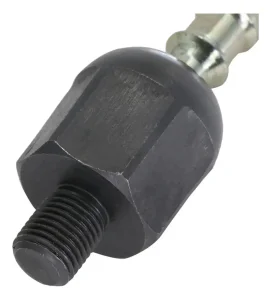
Information Gain Insight: While a high-quality lead-acid pack requires continuous watering, terminal cleaning, and lasts approximately 3-5 years, modern LiFePO4 battery upgrades provide up to 10 years of usable service life (3500+ charge cycles at 80% Depth of Discharge), require zero maintenance, and reduce the weight of a standard cart by over 300 pounds. This weight loss significantly reduces wear on critical chassis components, including steering ball joints and shock absorbers.
Selecting the correct battery pack for your fleet requires a deep analysis of battery chemistry, charge profiles, and discharge characteristics. Below is an engineering comparison designed to assist procurement managers in choosing between standard options and high-efficiency lithium modules.
The historic benchmark for electric golf buggies. While cheap at initial purchase, FLA cells require careful water maintenance, suffer from performance degradation under heavy loads (Peukert's Law), and emit corrosive gas during heavy charging cycles. High internal resistance limits fast-charging capabilities.
The premier modern replacement standard. Boasting unmatched chemical stability, these cells do not suffer thermal runaway risks common to other lithium chemistries. They maintain a flat voltage discharge curve, ensuring the buggy receives consistent power and torque from 100% state-of-charge down to 10%. Furthermore, integrated Battery Management Systems (BMS) monitor cell temperature, balance voltage, and protect against over-discharging or short-circuits.
China's industrial manufacturing zones host the world's most integrated supply chains for electric vehicles and lithium battery production. XXCART INC utilizes these advanced hubs to design and build durable golf car accessories, chargers, and custom OEM replacement parts that meet or exceed original specifications.
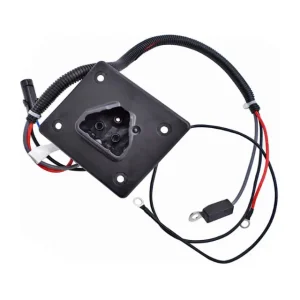
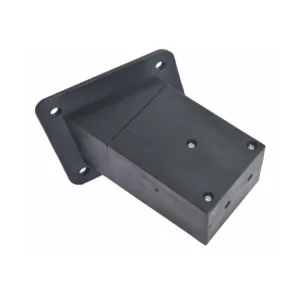
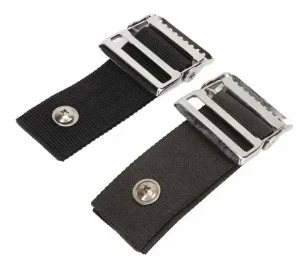
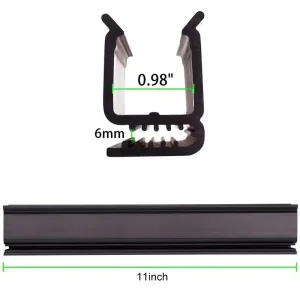
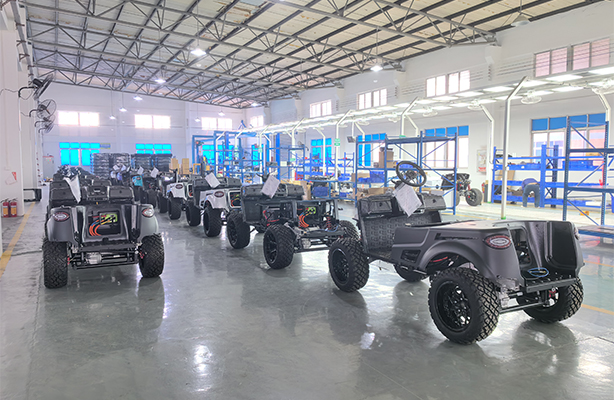
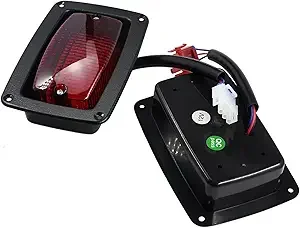
By operating within a 50,000㎡ modern manufacturing facility, XXCART utilizes state-of-the-art injection molding machines to fabricate high-durability PP engineering plastics for body components, charger receptacles, and protective windshield clips. The concentration of raw lithium refining, automated cell-matching systems, and electronic circuit assembly in regional proximity allows Chinese factories to control quality at every step, offering global buyers high performance at a highly competitive price point.
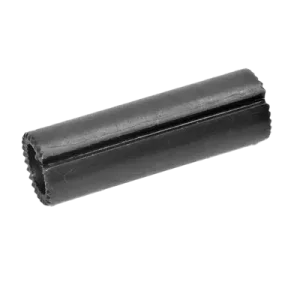
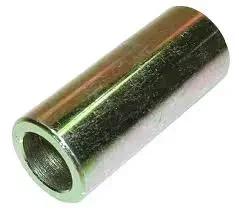
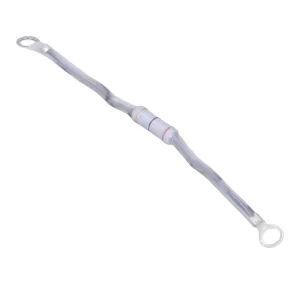
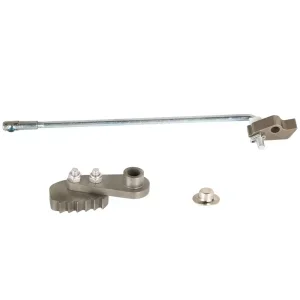
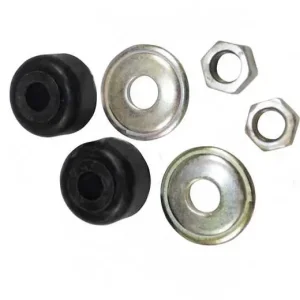
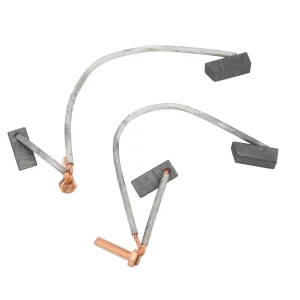
XXCART designs and develops numerous parts and controls the tooling for most items. This close control ensures that secondary components—such as heavy-duty motor brush kits, replacement solenoid resistors, and suspension sleeves—align perfectly with the original vehicle chassis. This comprehensive control minimizes mechanical variance and extends the lifetime of the battery and drivetrain.
A battery pack does not operate in isolation. The performance of a replacement battery is directly dependent on the quality of its surrounding electrical and mechanical components:
Industrial and corporate fleets often have unique operating profiles. XXCART offers comprehensive OEM and ODM services, allowing customers to customize battery configurations, charging speeds, outer casing dimensions, and communication protocols (such as CAN bus integration). We integrate the design advantages of major brands including EZ-GO, Club Car, and Yamaha. Using advanced technology, we have developed vehicle series built in strict accordance with the high technical standards of imported electric utility cars.
Engineered to excel in demanding utility, commercial, and industrial fleet scenarios
Designed to support rapid opportunity charging during shift breaks, minimizing fleet downtime and maximizing utility cycle output.
Engineered with special PP automobile engineering materials that resist impact, chemicals, and extreme ambient weather conditions.
Designed to interface seamlessly with proprietary CAN communication protocols, telemetry systems, and digital dashboards.
"Quality first, Customer first" is the cornerstone of XXCART's operating model. By applying strict CE certification standards across our product lines, we have successfully partnered with distributors, dealerships, and fleet managers in the United States, Canada, Italy, Belgium, Norway, Sweden, Brazil, Thailand, and over 100 other countries.
We design and develop numerous utility components internally, allowing us to control the tooling and manufacturing operations. This internal capability guarantees consistently high quality at a competitive price. We offer functional components that meet or exceed the performance of original replacement parts, ensuring excellent mechanical alignment and lasting durability.
Optimizing power delivery to meet the demands of diverse operational environments
Enables continuous play over multiple rounds without voltage drop, reducing fleet charging cycles and preventing mid-round power loss.
Delivers silent, zero-emissions transport for guests and luggage, eliminating the maintenance requirements and noise of combustion engines.
Supports heavy cargo hauling and utility cart operations across vast facilities, providing reliable start-stop torque under high-load conditions.
Several major shifts are shaping the utility vehicle battery market, and procurement teams must evaluate these trends when planning upgrades:
Modern BMS designs do more than prevent overcharging. Leading solutions utilize advanced telemetry, CAN communication, and IoT tracking to monitor cell state-of-health in real time. This allows fleet operators to anticipate degradation, track runtime efficiency, and proactively schedule maintenance, minimizing unexpected downtime.
Corporate ESG policies have intensified focus on the environmental lifecycle of batteries. LiFePO4 cells are generally considered more eco-friendly than nickel- or cobalt-based alternatives. They contain non-toxic materials, present no acid-leaking risks, and are easier to recycle at the end of their operational lifecycle.
Unlike traditional batteries that require long, uninterrupted charge cycles to avoid memory effects or plate sulfation, modern lithium batteries support fast intermediate charging. Operators can plug vehicles in during lunch breaks or between shifts for a quick boost, extending runtime without shortening the overall battery lifespan.
Procurement Strategy: Industrial buyers should evaluate total lifecycle value, factoring in replacement labor costs, charging infrastructure compatibility, shipping weight, and warranty support. Sourcing from a single integrated supplier like XXCART helps ensure mechanical compatibility, reducing the complexity of long-term parts management.
Key technical answers regarding OEM Club Car battery upgrades and system compatibility
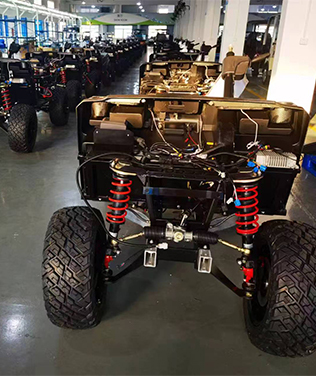
We integrate design advantages from major platforms to create customized solutions built in accordance with imported vehicle standards. Our production uses specialized PP automobile engineering materials for durability and aesthetics.
Equipped with smooth steering systems, independent suspensions, and robust electrical systems, our components are built to handle demanding environments. From prototyping to large-scale production runs, XXCART offers responsive manufacturing support for global buyers.
Request OEM/ODM QuoteHigh-durability mechanical linkages, shock isolation components, and accessories
 XXCART