Over the past decade, the global golf cart and Low-Speed Vehicle (LSV) industries have experienced a massive industrial shift. Modern operations demand mechanical and thermal performance indicators that far exceed traditional utility golf cart limits. Key to this transition is the optimization of braking structures—both drum and disk configurations.
As golf carts transform from quiet greenway cruisers into heavy-duty utility vehicles, specialized transport units, and street-legal neighborhood micro-mobility assets, safety margins must be scaled in parallel. This is where OEM engineering specifications become critical. Braking assemblies must operate with exact kinetic coefficients to guarantee stopping distance metrics, mechanical load-carrying capabilities, and thermal dispersion across diverse climatic conditions.
“True mechanical safety in light-utility vehicles starts where the pedal meets the linkage. Every micron of thickness in an OEM drum, every composition variance of friction pads, affects response rates when navigating industrial pathways.”
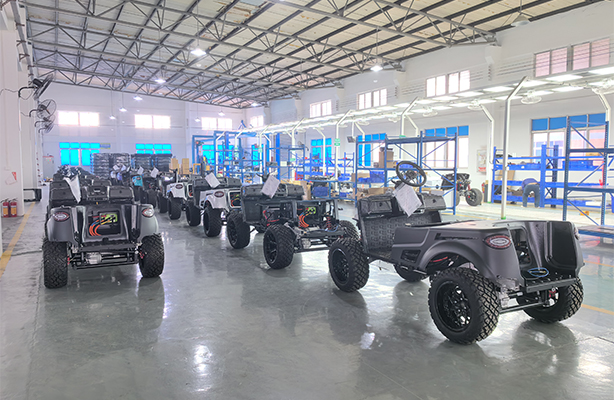
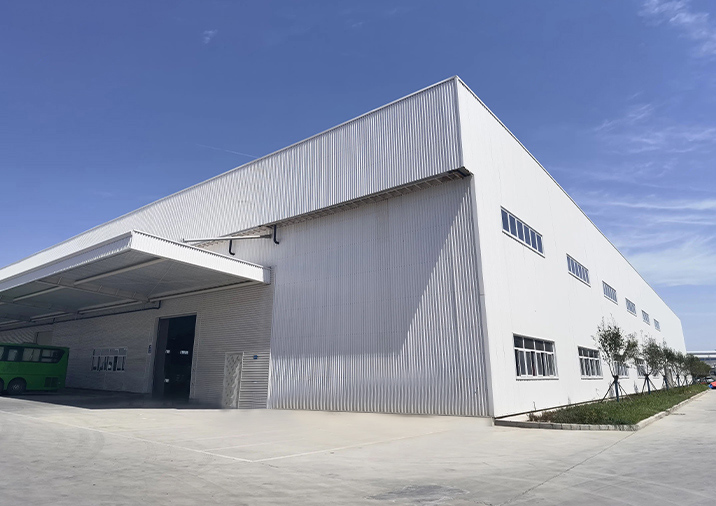
XXCART bridges high-precision manufacturing processes with strict industrial testing procedures to output braking and mechanical parts that set global industry standards.
Adhering to rigorous mechanical checks, XXCART implements CNC machining processes to guarantee that brake hubs, shoe backing plates, and linkage assemblies stay within 0.02mm tolerances for seamless integration.
Every hub, brake shoe, and hardware set is treated with anti-corrosive, multi-stage electroplating and formulated using high-density grey cast iron. This ensures thermal resilience in coastal resorts and extreme climates alike.
We configure OEM-spec systems to adjust torque capacity, linkage ratios, pedal stroke, and regenerative interface controls for DS, Precedent, Tempo, and Onward lineups.
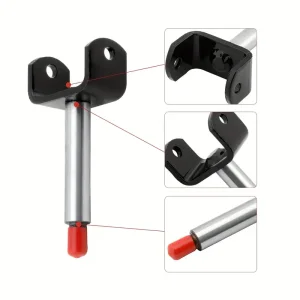
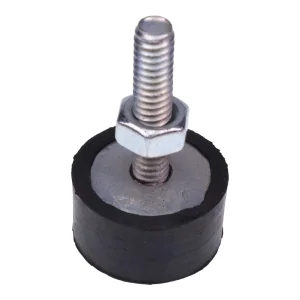
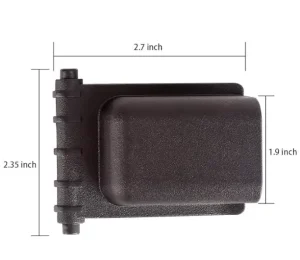
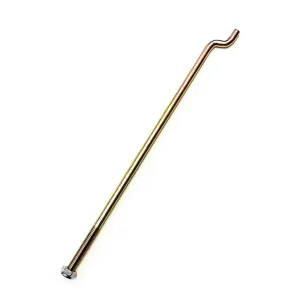
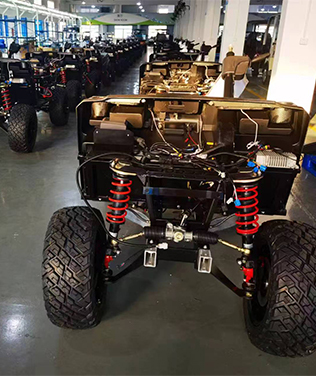
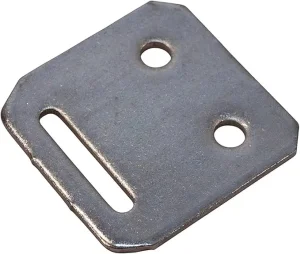
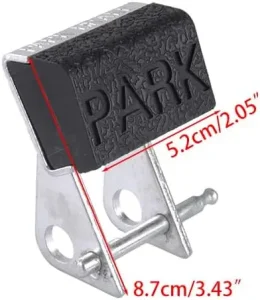
The core of a standard Club Car braking system depends on a synchronized mechanical drum configuration. Crucial components like the OEM Brake Pedal Rubber Bumper Stop Screw (Part 1010878) or the robust OEM Hill Brake Pedal Kit (Part 1011418) manage physical input ratios. The mechanical advantage must be consistent to avoid system lockup or premature friction wear.
Key parameters of interest during diagnostic routines or fleet overhauls include:
A reference guide comparing mechanical and hydraulic upgrade options across typical fleet deployments.
| Vehicle Class / Application | Brake System Type | Key OEM Part Associations | Optimal Operating Conditions | Target Wear Limits (Thickness) |
|---|---|---|---|---|
| Golf Fleet (Precedent / DS / Tempo) | Mechanical Self-Adjusting Drum | 1011418, 1010878, 1011415 | Flat to moderate slopes (golf courses, resort pathways) | Min. Friction Material: 1.5 mm |
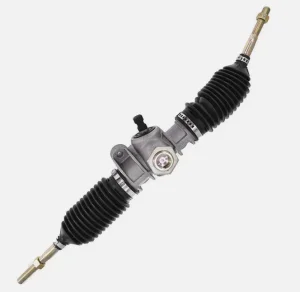
| Heavy Utility (Carryall series) | Heavy-Duty Mechanical / Disc Upgrade | 1016386, 102288601 (Steering) | Hilly agricultural zones, construction, logistics centers | Min. Pad Thickness: 2.0 mm |
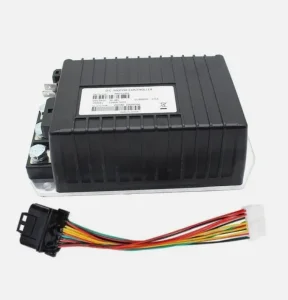
| Street-Legal LSV / High-Performance | Hydraulic Front-Disk & Rear-Drum Hybrid | 102026001, 1515-5206 Controller | Urban streets, hilly municipalities, public transit zones | Rotor Thickness Tolerance: 0.1 mm |
Different regions present unique challenges that affect braking components. By focusing on localized environmental stresses, XXCART provides tailored solutions that keep operations moving safely.
“From the coastal salt air of Mediterranean resorts to the demanding topography of alpine retreats, our localized options guarantee consistent performance where off-the-shelf alternatives fail.”
For example, in coastal regions, high humidity and salt spray accelerate rust formation. XXCART combats this by using specialized treatments on exposed linkages. In steeper terrains, vehicles rely heavily on the OEM Hill Brake Pedal Kit (1011418) to secure parked vehicles safely on sloped inclines.
Direct technical answers addressing the mechanical complexities of Club Car braking components.
Slipping is typically caused by a worn-down park brake gear or latch pawl, which can be resolved by replacing it with a qualified OEM Hill Brake Pedal Kit (like Part 1011418). Additionally, check that the stop screw (Part 1010878) is correctly adjusted to maintain proper tension.
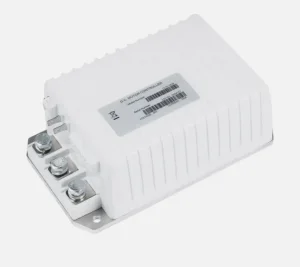
Electric golf carts with DC systems utilize controllers (such as the Curtis 1515-5206 replacement) to manage regenerative braking. Programmed deceleration settings help slow the vehicle before mechanical brakes engage, reducing heat and extending component life.
Brake drums should be replaced if they exceed maximum wear limits, show heat check cracks, or exhibit out-of-round deformation. When replacing components, we recommend doing so in axle pairs to maintain balanced stopping power.
We combine advanced alloys, precise engineering tolerances, and ISO standard testing procedures. All custom parts, from brake hardware to high-end PP body plastics, undergo performance trials before export.
Connect with our engineering team for high-volume parts, custom ODM designs, or localized utility upgrades.
Send an Inquiry
 XXCART