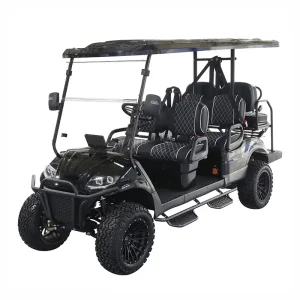
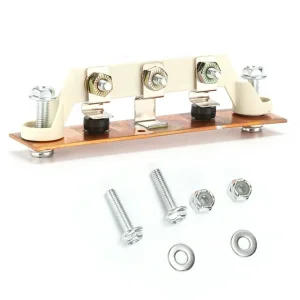
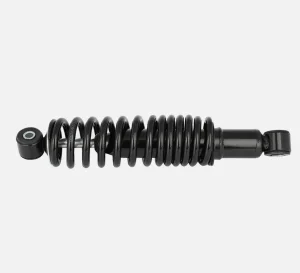
As a global pioneer in the electric vehicle component and accessory ecosystem, XXCART INC stands at the forefront of engineering, designing, and distributing heavy-duty, high-performance OEM components. With over two decades of technical evolution, we have perfected the integration of performance parameters from industry benchmarks like E-Z-GO, Club Car, and Yamaha. Our dedicated research and development divisions focus on material chemistry, structural integrity, and tread mechanics to produce golf cart tires that consistently exceed the requirements of imported models.
Operating from our state-of-the-art production facility, we execute strict vertical quality control on every manufacturing stage—from polymer sourcing and compounding to precision vulcanization. Our tires are optimized for advanced vehicle systems, featuring specialized engineering PP automobile compounds for durability and customized tread layouts designed to cooperate with modern independent suspensions and smooth steering systems.
The worldwide market for golf carts has evolved far beyond traditional greens. Modern electric utility vehicles (UTVs) and golf fleets are integral to master-planned residential communities, airports, high-end resorts, shipping hubs, and industrial campuses. Consequently, the demands on OEM Ezgo golf cart tires have escalated from basic turf protection to highly specialized applications requiring variable tread styles, optimized rolling resistance, and high load-bearing structures.
Commercial operators prioritize low rolling resistance to maximize battery charge cycles. Our engineered compounds significantly decrease energy loss per rotation, direct-matching E-Z-GO energy budgets.
Optimal mechanical grip under wet, loose-soil, or paved conditions is vital. Deep channel treads prevent hydroplaning and ensure deceleration performance, crucial for high-passenger configurations.
Through precision-engineered belt layouts, our tires maintain an even contact patch under diverse load distributions, keeping structural failure rates under 0.05% in commercial operations.
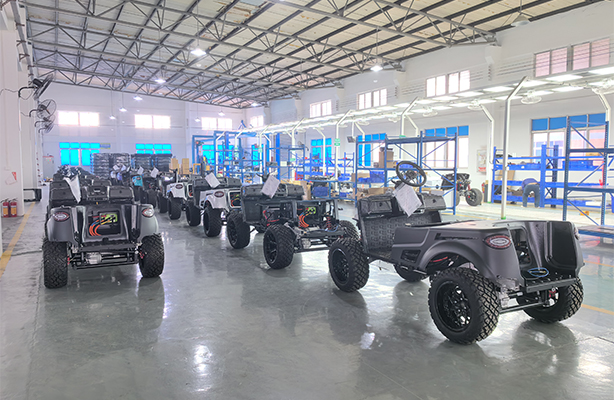
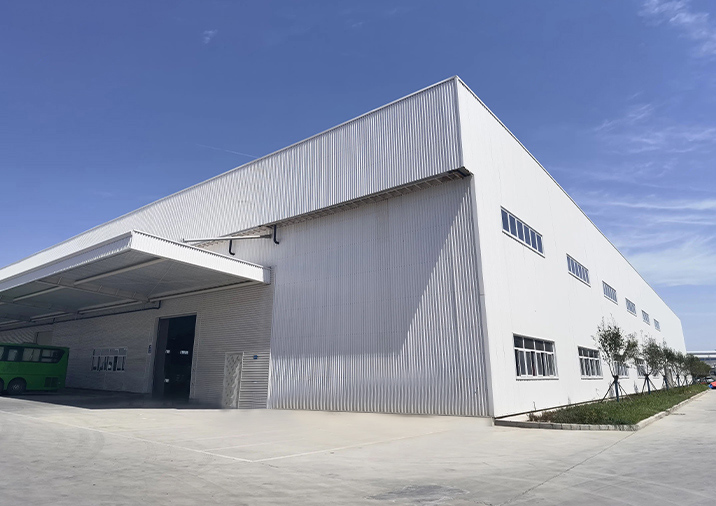
Manufacturing high-performance tires at scale requires a synergy of advanced vulcanization technologies, raw materials availability, and rapid custom tooling. Our 50,000 square meter factory in China represents the leading edge of this supply chain. By utilizing automated compounding and laser-guided molding technologies, we minimize thermal instability during the curing process, ensuring consistent rubber density across every production batch.
This scale allows XXCART to offer substantial cost-efficiency benefits to global OEM suppliers, distributors, and bulk purchasers without compromising performance. From the initial layout designs to dynamic balance testing, all procedures are executed in-house, giving our clients a distinct pricing advantage over mid-tier manufacturers who outsource key segments of their assembly line.
To assist procurement departments in optimizing fleet reliability, our engineering group outlines the essential structural metrics that differentiate premium OEM-grade products from entry-level alternatives.
Standard tires offer 4-ply ratings, suitable for light recreational use. Our commercial-grade OEM tires feature 6-ply and 8-ply heavy-duty constructions, offering reinforced sidewalls that resist punctures from gravel, sharp stones, and industrial debris.
We manufacture three primary tread classifications: Turf-Safe (siped blocks for minimal grass shearing), All-Terrain (deep lug blocks for mud, sand, and gravel transit), and Street-Legal Radial (long-wearing rib designs for quiet asphalt operation).
Utilizing high-tensile steel wire beads, our tire seating mechanics prevent bead slip on the wheel rim under heavy acceleration and torque loads. This guarantees pressure retention over long operating intervals.
XXCART tire designs undergo testing across diverse environments, ensuring optimal operational reliability in the United States, Europe, Southeast Asia, and South America.
In North America and Europe, golf carts function as primary short-distance neighborhood vehicles. Quiet, high-pressure street treads are critical. Our Street-Legal Radial range minimizes cabin vibration, offers exceptional steering tracking on asphalt, and preserves battery range through low rolling resistance.
Industrial settings demand flat-free, puncture-resistant sidewalls. Moving heavy cargo and equipment across airport aprons and large warehouses requires tires with high static load capacities. Our multi-ply heavy-duty compounds prevent carcass deformation under heavy payloads.
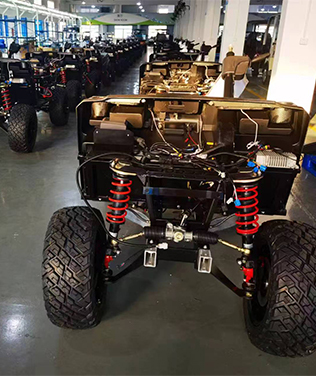
As the electric utility vehicle market experiences rapid technological growth, tire engineering must evolve to support high-torque drivetrains, heavier lithium-ion battery configurations, and autonomous navigation arrays. XXCART is actively investing in the following research and development directions to remain at the cutting edge:
Formulating tread compounds with highly dispersed silica and recycled polymers to lower manufacturing carbon emissions while boosting wear resistance.
Minimizing compound hysteresis. Reducing this internal friction helps lower overall energy consumption, directly extending electric range on a single charge.
Integrating non-pneumatic tire (NPT) structures to eliminate puncture risks in industrial hubs, airports, and construction areas.
Procurement directors and fleet operators must look beyond catalog pricing when sourcing tires. The total cost of ownership (TCO) is defined by tire life, battery range preservation, and vehicle uptime. XXCART works closely with procurement departments to ensure our supplied tires meet standard operational specifications:
Ensure the tire's ply rating and maximum load capacity in pounds align with the passenger load parameters of the cart. Overloading underpowered, low-ply tires results in sidewall cracking and rapid tread wear.
Ensure offset configurations are verified when matching tires with custom wheels. High-profile all-terrain tires may require lift-kit assemblies on classic E-Z-GO platforms to prevent wheel well scrubbing.
Always request factory testing parameters covering compound tensile strength, run-out measurements, and dynamic balance limits to guarantee long-term fleet performance.
 XXCART