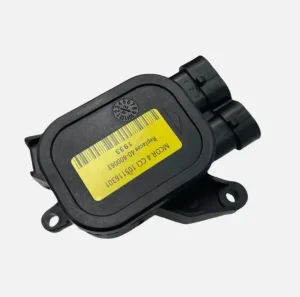
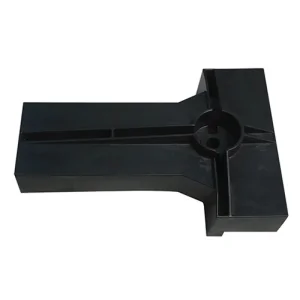
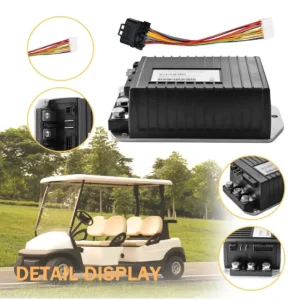
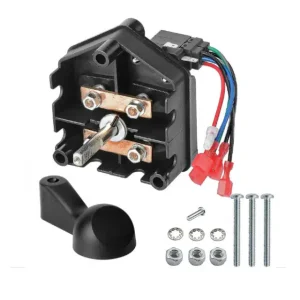
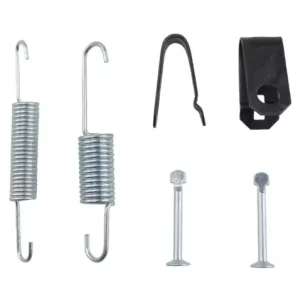
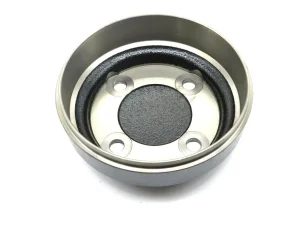
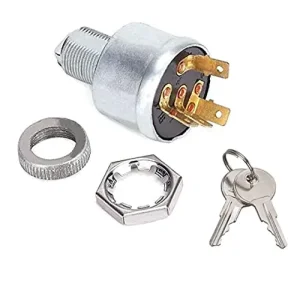
Explore our highly integrated replacement assemblies designed for EZGO, Club Car, and Yamaha carts.

Understanding technology shifts, global supply chain dynamics, and regulatory compliance for heavy-duty electric utility vehicles.
The micro-mobility and utility vehicle sector is experiencing a monumental energy transformation. For decades, fleet operators, golf clubs, industrial complexes, and commercial logistics developers relied on traditional flooded lead-acid batteries to power low-speed vehicles (LSVs). While reliable in initial procurement costs, lead-acid systems fail to satisfy modern performance parameters: they demand rigorous maintenance, suffer from significant efficiency degradation over short duty cycles, and generate unwanted carbon footprints due to constant replacements.
In response, modern procurement managers are turning to high-performance Lithium Iron Phosphate (LiFePO4) and advanced electronic configurations designed directly at the factory level. As a premier OEM Golf Cart Battery Supplier and Factory, XXCART INC has spent over two decades engineering, prototyping, and deploying rugged energy solutions that integrate directly with major drivetrains (such as Club Car, EZ-GO, and Yamaha systems). This whitepaper details the critical considerations for sourcing next-generation golf cart batteries, structural advantages of partnering with automated production facilities, and the commercial requirements driving global distribution networks.
The paradigm shift from mechanical components to smart, telemetry-driven lithium power packs.
Lithium Iron Phosphate (LiFePO4) has emerged as the definitive standard for electric utility vehicles. Offering over 3,500 to 5,000 charge cycles at 80% Depth of Discharge (DoD), it completely outclasses the 500-cycle limit of traditional lead-acid equivalents. This longevity minimizes overall fleet cost of ownership and maximizes uptime.
Modern battery architecture relies on high-functioning Battery Management Systems (BMS). The BMS supervises real-time cell balancing, prevents overcharging, mitigates thermal risks, and offers digital interfaces (such as CAN bus and RS485 protocols) to communicate directly with motor controllers and diagnostic dashes.
With global sustainability policies clamping down on lead and acid disposal hazards, LiFePO4 represents a non-toxic alternative. Furthermore, the light weight of lithium packs reduces golf cart chassis wear and structural strain, lowering energy consumption per mile of turf operation.
B2B procurement agents require more than just cells; they demand robust quality assurance systems, reliable delivery channels, and certified compliance.
B2B entry into the US, European, and Australian markets requires stringent adherence to international safety standards. Leading OEM batteries must bear CE, UL2580, UN38.3, and RoHS markings to guarantee safety during transportation, operation, and recycling.
Micro-mobility carts operate in challenging outdoor environments, from extreme winter exposures to high-temperature golf courses. A robust outer casing, typically constructed from high-impact structural polymers or anodized aluminum alloy, prevents water ingress and mechanical failure.
Commercial fleet operations cannot afford customized, complex modification setups. High-quality OEM factories engineer their battery packs to mirror the physical footprint of standard lead-acid groupings (GC8, GC2, etc.) for direct, hassle-free replacement integration.
Whether powering utility vehicles hauling heavy loads in resort complexes or navigating hilly turf profiles, batteries must sustain high discharge currents without voltage drops. This requires cells optimized for high continuous output and rapid peak demands.
"A certified battery guarantees fleet safety. One electrical runaway at a major resort can lead to millions in liability. B2B buyers must demand documented UN38.3 vibration and thermal shock testing certificates from their OEM supplier." — XXCART Engineering Quality Assurance Division
How automation and advanced logistics enable domestic factories to offer consistent, high-yield energy products at optimal costs.
The lifetime of a multi-cell battery pack is limited by its weakest cell. In modern China Factory 4.0 facilities, cell selection is completely automated. High-speed testing rigs verify internal resistance, nominal voltage, and capacity down to tight tolerances before grouping. Ultrasonic and laser welding machines then construct the cell connections, minimizing heat transfer and ensuring robust physical joints that withstand continuous golf cart vibrations.
Each production run undergoes comprehensive aging and cycles analysis. Batteries are subjected to high-vibration shaking tables, drop tests, and simulated environmental chambers to verify that IP67 sealing blocks water and dust effectively. This level of quality control guarantees that when bulk containers arrive at foreign ports, the failure rate remains close to zero.
China hosts the world’s most comprehensive lithium-ion ecosystem. From raw lithium processing to active cathode materials manufacturing, localizing the supply chain within a small geographic radius minimizes freight disruption risks and insulates procurement agents against sudden global logistics shocks.
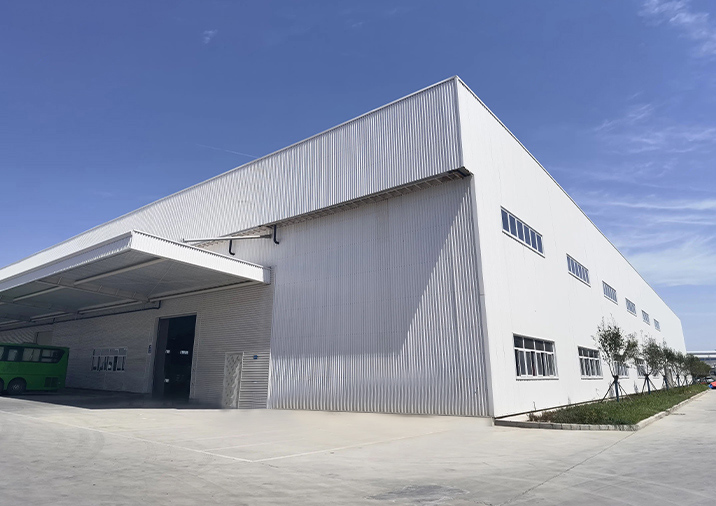
Building high-performance components tailored for EZGO, Club Car, and Yamaha drivetrains.
Depending on the fleet drivetrain, we customize output specifications across standard 36V, 48V, and 72V configurations. This matches the target controller settings, ensuring zero voltage sag during peak climbing or high-speed acceleration phases.
We provide advanced OEM integration featuring intelligent displays, digital SoC (State of Charge) meters, and GPS/telematics tracking interfaces. This helps rental fleets monitor battery status and geographical constraints remotely.
Utilizing high-impact engineering plastics and mechanical layouts tailored to specific chassis geometries, our packages fit directly into the battery trays of popular models without structural adaptations or cutting.
From prestigious golf courses to heavy-duty industrial logistics hubs, discover where our systems deliver reliable power.
Ensuring quiet, exhaust-free operation with rapid charging turnarounds between golf rounds. High efficiency ensures a single charge easily lasts for 36 to 54 holes, minimizing fleet downtime.
Heavy duty utility carts transporting tools, materials, and staff across massive manufacturing complexes require high current output and resistance to high-frequency shocks and vibrations.
Humid, high-salinity air causes rapid corrosion in low-grade battery units. Our IP67 hermetically-sealed systems protect internal cells from salt spray, dew, and water splashes.
XXCART has achieved global recognition by maintaining strict control over component design and manufacturing tooling. Due to our unique design style, excellent quality control, and dependable after-sales services, we have built strong cooperations with clients in the USA, Italy, Canada, Belgium, Ireland, Norway, Sweden, Spain, Brazil, and throughout Southeast Asia.
Our engineering division doesn't just ship products; we arrange expert technical consultations to solve complex integration challenges for our partners. We customize configurations, paint styles, and electrical connectors to align with local market requirements.
"We design and develop numerous parts, controlling the tooling and manufacturing operations for most of our items. You can be assured of consistently high-quality products at competitive prices."
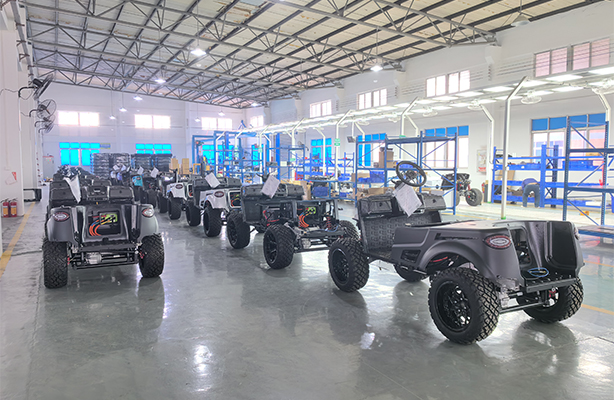
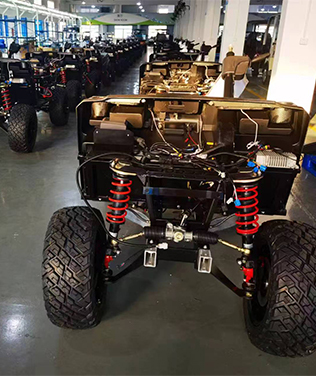
Comprehensive technical and business insights directly from our engineering team.
LiFePO4 lithium batteries last 5 to 10 times longer than flooded lead-acid batteries, weigh roughly 70% less (reducing wear on turf and suspension), require zero electrolyte refilling or regular maintenance, and charge much faster with no memory effects. This dramatically reduces total operational expenses over the vehicle's lifespan.
Generally, no. Lead-acid chargers use charging algorithms (such as desulfation stages and different voltage peaks) that can damage or degrade lithium cells and their integrated BMS. LiFePO4 chemistry requires a dedicated multi-stage constant current/constant voltage (CC/CV) lithium charger for safe and complete charging.
For safe transit and legal commercialization, batteries must possess UN38.3 certification (covering vibration, impact, thermal shock, and short circuit protection). In addition, CE marking is mandatory for Europe, and UL (like UL2580 or UL1973) is highly recommended for North American municipal, commercial, and safety compliance.
The BMS acts as the safety brain. It monitors individual cell voltages, temperature, and current flow. If a fault is detected (such as overcharging, overdischarging, overheating, or short-circuits), the BMS instantly disconnects the cells from the external load to prevent damage or safety hazards.
Lithium systems should be stored in a dry, ventilated area at temperatures between -5°C and 35°C (23°F to 95°F). For long-term storage, it is best to keep the charge state around 50% to 60% and recharge the pack every 3 to 6 months to prevent self-discharge degradation.
Yes. As an established OEM/ODM factory, we design custom aluminum or structural polymer enclosures, adjust battery capacities (Ah ratings), configure specific output voltages (36V, 48V, 72V), and customize output ports and communication protocols (CAN/RS485) to match your requirements.
Reducing battery weight by up to 150kg (330 lbs) improves vehicle handling, shortens stopping distances, lowers wear on steering joints and shocks, and reduces ground compaction on golf course fairways.
A typical LiFePO4 battery pack retains over 80% of its original capacity after 3,500 to 5,000 complete charge/discharge cycles. For an average golf course or commercial resort, this translates to 7 to 10+ years of dependable daily operation.
We utilize automated testing rigs to sort cells by internal resistance and voltage, use high-precision laser welding for stable connections, and put every completed battery pack through full charge-discharge cycles, IP67 waterproof validation, and vibration testing prior to packaging.
Yes. LiFePO4 is chemically stable and has a much higher thermal runaway threshold than other lithium-ion chemistries (such as NMC). Combined with temperature sensors and automated cutoff features built into our smart BMS, safety is assured even under demanding operating conditions.
Browse our catalog of steering assemblies, suspension dampening, and custom electrical components.
 XXCART