Explore our premium factory OEM configurations engineered to ensure safe and efficient operation of international low-speed electric transport vehicles.
In the modern era of low-speed electric vehicles (LSEVs), charging integrity stands as the single most critical pillar of operational reliability. The OEM Golf Cart Charger Receptacle serves as the physical interface bridging utility-scale grid power with the sensitive chemical storage of the vehicle's battery pack. Whether your fleet operates on traditional lead-acid deep-cycle cells or next-generation lithium-iron-phosphate (LFP) chemistries, mechanical degradation, moisture intrusion, and contact resistance at this vital link can result in thermal runaway, inefficient charging, and premature cell death.
At XXCART INC, we treat the charger receptacle not merely as a passive plastic plug, but as an engineered power-delivery interface designed to withstand thousands of mating cycles, aggressive environmental exposure, and high thermal stresses. Over 21 years of continuous fabrication, we have systematically engineered solutions that optimize contact dynamics, reduce electrical resistance, and enhance durability for global fleet operators and OEM brands like Club Car, E-Z-GO, and Yamaha.
At the heart of every charger receptacle lie the electrical terminals. Lower-grade aftermarket components often use brass or inferior zinc-heavy alloys that exhibit high electrical resistance and deform over time. In contrast, XXCART OEM receptacles utilize high-purity copper alloys plated with heavy-gauge silver or nickel. Silver plating offers the lowest electrical resistivity of any metal, substantially mitigating voltage drops across the contact surface.
During high-current charging (such as 48V systems operating at 15A to 30A), even a fractional resistance of 0.05 ohms can generate enough localized heat to warp the housing plastic. Our precision engineering ensures that insertion forces remain low enough to prevent physical strain while maintaining a tight, spring-loaded contact pressure that minimizes resistance over 10,000+ mating cycles.
The housing surrounding the contact terminals must endure continuous mechanical impact and UV radiation. XXCART uses glass-fiber reinforced polybutylene terephthalate (PBT) and high-grade PP automobile engineering materials. PBT exhibits superior tensile strength, dimensional stability under high temperature, and excellent resistance to common chemical compounds, including battery acid, motor oils, and cleaning agents.
These engineering plastics prevent housing fractures caused by accidental plug yanks or bumps. Additionally, built-in silicone weather-flaps provide an air-tight seal against moisture, road dust, and salt-laden air, achieving ingress protection ratings of IP65 and above for the terminal housing assemblies.
A comprehensive breakdown of how our charging receptacles satisfy commercial, industrial, and global utility requirements.
Engineered for 36V, 48V, and 72V DC architectures, fitting standard Club Car (3-pin, 4-pin round), EZGO (D-shape, TXT, RXV), and Yamaha (3-pin cloverleaf) charging systems.
Thermally coupled integrated thermistors communicate localized heating parameters to smart chargers, limiting rates or shutting down if temperature spikes occur.
Conforms rigorously to CE standards, UL 2251 (standard for plugs, receptacles, and couplers for electric vehicles), RoHS, and ISO 9001 factory inspection metrics.
As commercial fleets rapidly transition to lithium-based chemistries, the demand characteristics of charging profiles have evolved. Lithium cells accept significantly higher charge rates than lead-acid cells, allowing fleet operators to utilize "opportunity charging" during shift transitions. This means charging receptacles must now handle continuous high current (up to 40A or more) without experiencing structural deterioration.
XXCART’s research division has addressed this paradigm shift by upgrading our internal contact dynamics. By employing a multi-contact finger design in each terminal, we spread the mechanical load and electrical interface across multiple contact points. This design reduces local heating by up to 30%, making our receptacles compatible with modern fast-charging and smart-charging LSEV architectures.

Every market has distinct electrical infrastructure standards and operational stressors. XXCART INC provides comprehensive customization services for low-speed electric vehicle body and charging assemblies. Our body components are fabricated using specialized PP automobile engineering materials, known for their dimensional stability and color fastness.
By integrating the mechanical and electrical advantages of E-Z-GO, Club Car, and Yamaha platforms, our engineering team assists distributors in building custom vehicle charging setups suited for high-humidity, marine, or extreme cold climates.
Send an inquiryUnderstanding the microclimatic challenges where golf cars and utility carts are deployed is essential for correct component specification. Our charger receptacles are field-tested in several specific use cases:
A common source of damage to LSEVs is drive-away accidents—situations where the operator attempts to drive the vehicle away while the charging cable is still connected. This can pull the charging post out of the wall or damage the internal wiring harness.
To prevent this, XXCART charger receptacles include an integrated three-wire terminal containing a safety lockout loop or internal magnetic reed switch. When the charger plug is inserted, it breaks the connection to the controller solenoid. This ensures the vehicle remains immobilized until the plug is removed. This safety mechanism is standard on our Club Car and EZGO replacement lines.
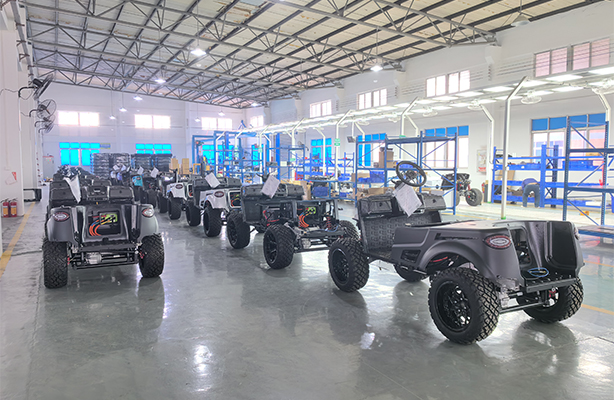
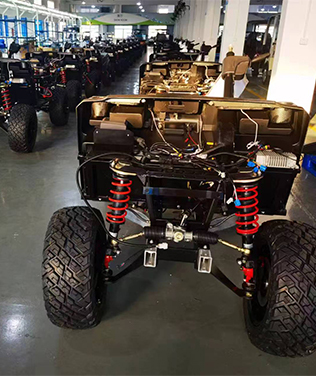
The future of LSEV fleet management is shifting toward automated, smart systems. At XXCART, our R&D team is developing smart charging interfaces that integrate directly with cloud-based fleet tracking systems.
Upcoming iterations of our charger receptacles will feature integrated wireless communication chips. These chips will transmit telemetry data directly from the vehicle's battery management system (BMS) to the charging station, optimizing charging profiles based on the battery pack's age, state of health, and ambient temperature. This technology will help prolong fleet lifespan and reduce total cost of ownership.
Technical guidance and installation insights from the engineering desk at XXCART INC.
Explore our selection of replacement components, including light kits, motor components, and body hardware for major fleet vehicles.
 XXCART