Premium electrical connectors, solenoids, lighting, and heavy-duty structural parts designed for long lifecycle operation.
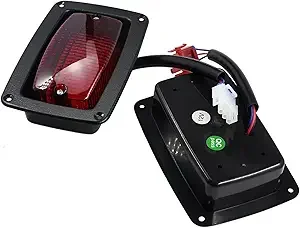
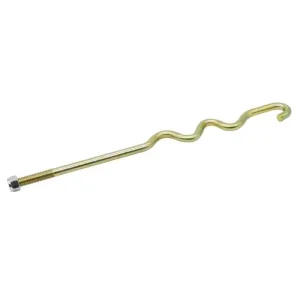
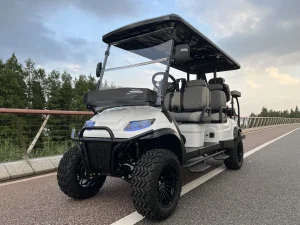
Within the micro-mobility sector, electric light utility vehicles (LUVs) play a pivotal role in optimizing operational workflow efficiency in locations such as golf courses, corporate facilities, commercial airports, and planned communities. The Yamaha G16 framework represents a benchmark in engineering reliability. Keeping these platforms in service requires a deep understanding of structural tolerances, electrical system loads, and material degradation profiles.
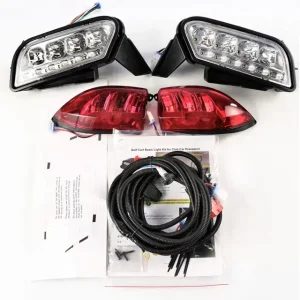
Industrial fleet operations demand components that offer an optimal balance of structural integrity and cost-efficiency. Utilizing OEM-spec replacements like the Yamaha G16 Left & Right LED Tail Lights or specialized charger receptacles ensures mechanical compatibility and protects the electrical system from voltage spikes and load imbalances. Lower-quality alternative components often lack precise environmental sealing, which can lead to premature failure in coastal, high-humidity, or extreme-temperature industrial environments.
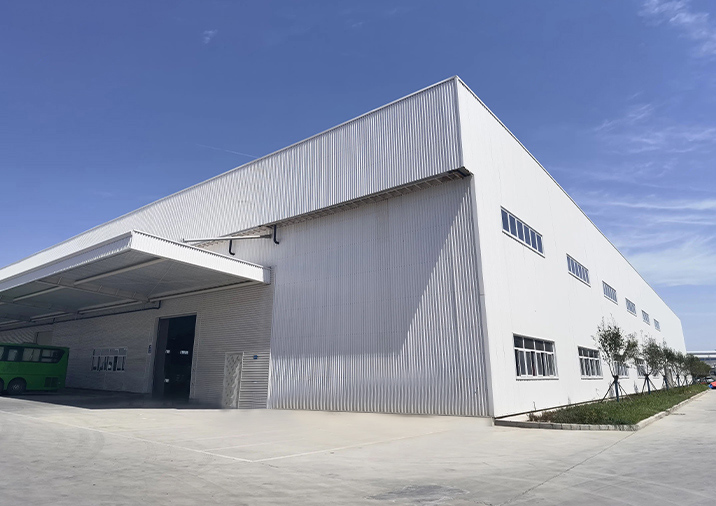
Our engineering protocols leverage high-impact Polypropylene (PP) and high-density structural steel to ensure longevity under industrial loads.
Our utility vehicle exterior panels are molded from specialized PP automobile engineering polymers. This configuration balances impact absorption, tensile strength, and flexural modulus. The material resists environmental stress cracking, UV-induced degradation, and corrosive chemical exposure, such as battery acid and industrial fertilizers.
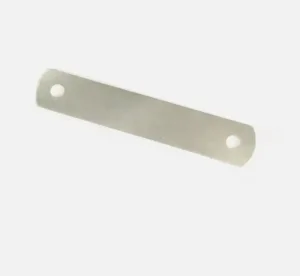
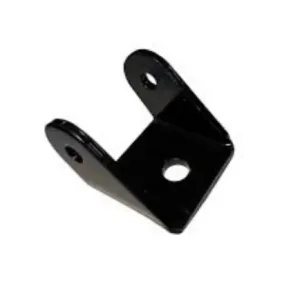
Components like the Club Car DS A-Plate Strap Connection (OEM 1017266) and steering joints undergo structural heat-treatment. The structural steel components are finished with corrosion-resistant coatings, such as hot-dip galvanization or electrostatic powder coating, to prevent oxidation in saline or humid environments.
Electrical contact surfaces in components like the OEM 48V Solenoid Coil Assembly (102865901) utilize high-grade copper alloys with silver-plated contact tips. This design minimizes contact resistance, mitigates thermal expansion, and ensures consistent current transfer without contact welding, even under high peak load starts.
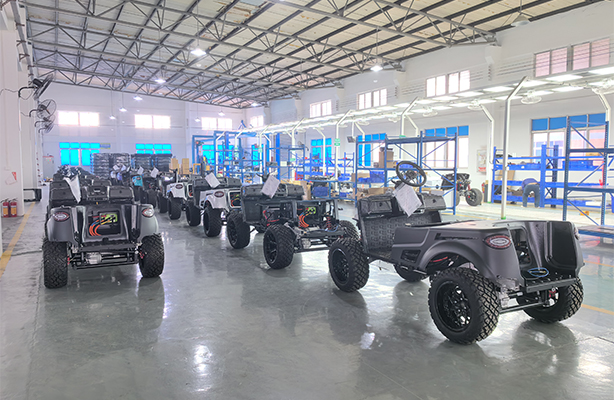
At XXCART, we integrate the engineering principles of EZ-GO, Club Car, and Yamaha with modern, high-precision manufacturing. With over two decades of design and manufacturing experience, our design facility produces utility vehicles and components that meet the expectations of industrial customers globally.
We manage the entire lifecycle of our tooling designs and fabrication processes in-house. This comprehensive control allows us to verify that critical interfaces conform to precise dimensions, helping prevent premature component fatigue. We offer replacement components that meet or exceed standard OEM specifications, providing an effective solution for operations looking to manage maintenance costs.
The commercial utility vehicle market is shifting toward long-life optimization. In regions like the United States, Western Europe, and South-East Asia, organizations are extending the service life of their utility vehicle fleets to maximize return on investment. The Yamaha G16 platform remains popular due to its robust design, but maintaining fleet efficiency requires access to a stable supply of high-precision components.
Managing large utility fleets requires predictive maintenance scheduling to minimize unscheduled downtime. When fleet managers replace worn parts with components manufactured to exact original specifications, they reduce the risk of secondary component failures. For example, a worn steering joint or an improperly sized battery tie-down can create vibrational stress, leading to premature wear in steering boxes and structural battery trays.
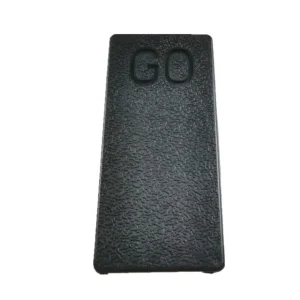
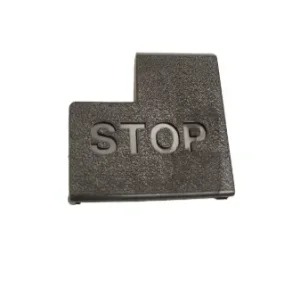
Furthermore, international safety regulations, including CE directives and OSHA compliance codes, require that utility vehicle fleets maintain original levels of performance. Electrical and structural parts, such as the CE Certified Precedent Accelerator Stop Pedal Pad and high-performance DC charging receptacles, undergo verification processes to ensure safe operation in demanding industrial settings.
We supply distribution partners and fleet management firms throughout the US, Canada, Belgium, Ireland, Norway, Sweden, and France. Our components are designed to meet standard regulatory requirements, supporting stable supply and operations.
In high-humidity resort and transport environments across Thailand, the Maldives, and the Philippines, standard parts face accelerated degradation. We engineer our components to withstand these conditions, providing reliable service in coastal and tropical locations.
Technical guidance on integrating advanced charging electronics and mechanical links for the Yamaha G16 and related platforms.
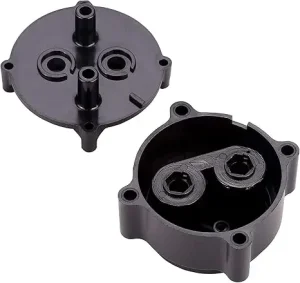
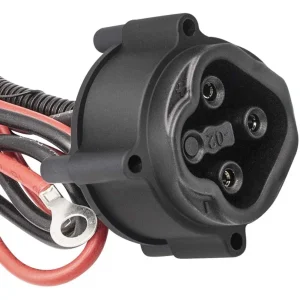
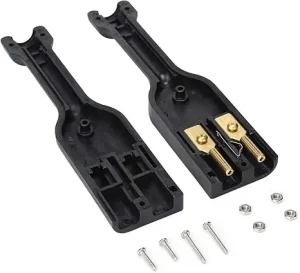
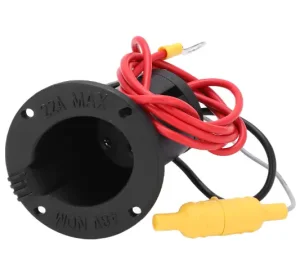
Modern 48V electric utility platforms require robust electrical connections. The integration of the CE Certified 48-Volt Receptacle (JR1-H6181-02-00) utilizes high-grade thermoplastic housings to isolate high-voltage pins. This structure is designed to limit internal heating during 8-10 hour fast-charge cycles.
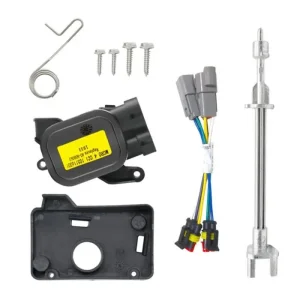
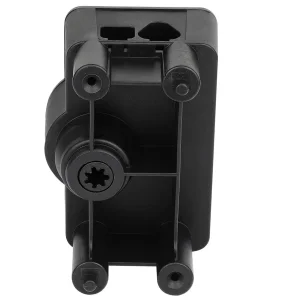
The MCOR (Motor Controller Output Regulator) serves as a key link in the vehicle's speed control circuit. The OEM MCOR 4 Conversion Kit (AM293101) translates pedal position into a precise resistance signal, which the motor controller uses to govern speed. This solid-state potentiometer conversion helps eliminate pedal lag and uneven acceleration.
Our engineering team is available to assist you with component integration, material specifications, and bulk procurement scheduling.
Common questions regarding vehicle component installation, system compatibility, and fleet maintenance protocols.
A failing MCOR unit typically causes erratic acceleration, sudden deceleration, or a complete loss of throttle response. This is often due to wear on the internal resistive tracks or moisture ingress. Using an IP67-rated sealed MCOR 4 Conversion Kit helps resolve signal dropouts and restores linear pedal response.
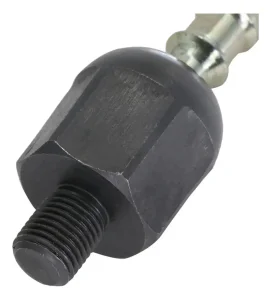
Even minor deviations in taper or ball-stud thread pitch can cause localized stress concentrations. This can lead to steering play, uneven tire wear, and eventual fatigue failure. We design our Steering Ball Joints to align with exact OEM geometric specifications, which helps distribute steering loads evenly across the front suspension assembly.
The 4-terminal design isolates the low-current control circuit from the high-current motor drive circuit. Two terminals actuate the internal electromagnet coil, while the other two handle the main motor current. This separation helps prevent high-power electrical noise from interfering with the controller's logic circuits, supporting stable operation.
Exposure to solar UV radiation causes standard plastics to undergo photo-oxidation, resulting in chalking, fading, and brittleness. Our utility vehicle panels include chemical UV-stabilizers during the molding stage. This additive helps absorb UV light and release it as harmless thermal energy, preserving the panel's mechanical properties.
Explore our selection of certified accelerator pads, connector assemblies, and high-power charger plugs built to meet exact OEM standards.
 XXCART