 XXCART
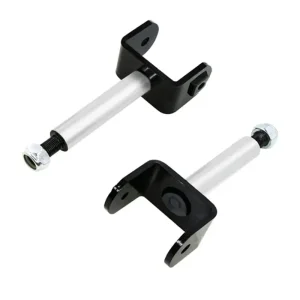
High-precision replacement components optimized for immediate integration and heavy operational cycles within industrial environments.
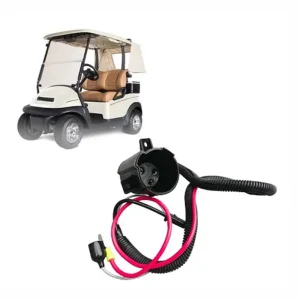
Unpacking the structural trends, regulatory frameworks, and operational models defining light electric vehicle operations in Southern California.
Southern California, anchored by the dense metropolitan complex of Los Angeles, represents one of the largest regional markets globally for light electric vehicles (LEVs), specifically utility and passenger golf carts. The application of these vehicles stretches far beyond the classic turf fairways of championship golf courses. Today, the industrial corridor of the Port of Los Angeles, multi-acre motion picture studios in Burbank, heavy logistics complexes in the Inland Empire, and high-security defense and aerospace installations throughout Los Angeles County run massive, complex fleets of utility vehicles. These operations require heavy-duty uptime cycles that far exceed standard leisure usage.
In addition, municipal and recreational applications across the Los Angeles basin—such as coastal security patrols, campus mobility systems at universities like UCLA and USC, and commercial property management across massive shopping districts—rely heavily on Club Car platforms. These platforms require systematic maintenance routines. The high-salinity air of coastal ports, coupled with the relentless sun-exposure characteristic of Southern California, creates a harsh microclimate that accelerates polymer oxidation, degrades standard wiring harnesses, and causes stress fractures in standard structural components. Understanding this specific regional operational stress is essential for local fleet managers sourcing replacement parts from factories.
XXCART is a prominent, technology-driven manufacturer specializing in high-performance electric golf carts and precision-engineered replacement parts. Holding full CE certification and adhering strictly to international manufacturing frameworks, we specialize in high-end customized utility and golf transport systems.
By studying and refining structural and electronic principles from major industry pioneers like E-Z-GO, Club Car, and Yamaha, we have successfully developed our own high-end vehicle series that meets and often exceeds imported standard criteria. Our commitment to design optimization has led us to build premium parts that serve as drop-in upgrades for the global aftermarket.
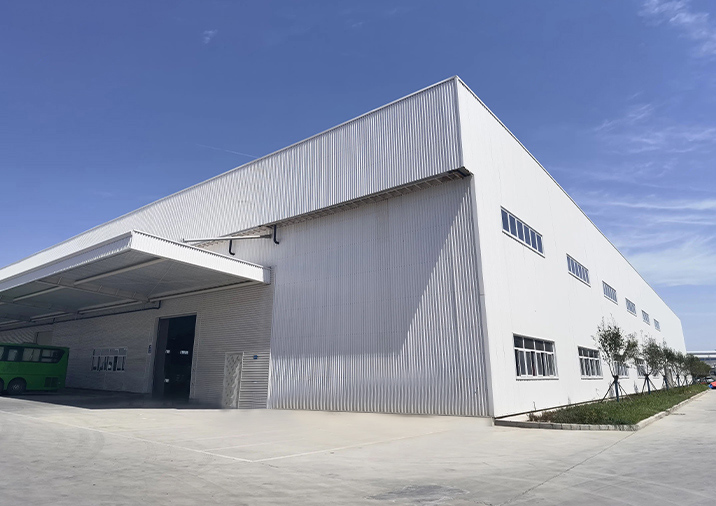
The engineering directions that define modern, high-cycle fleet efficiency and structural component lifespan.
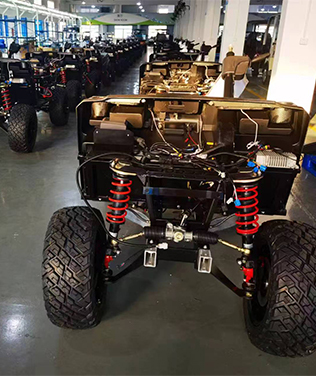
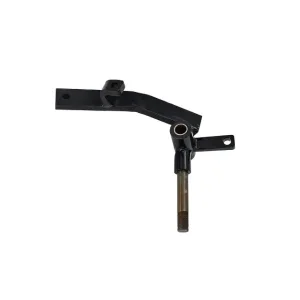
To understand the reliability of Club Car OEM replacement components, it is critical to look at the engineering blueprints. Standard aftermarket accessories often suffer from micro-dimensional deviations, which leads to premature wear of structural points. For example, the front-end steering geometry on a Club Car Precedent is highly sensitive; a deviation of just 1.5mm in the king pin sleeve or the tie rod assembly can cause alignment drift, uneven tire wear, and increased steering effort. Our factory uses advanced automated CNC milling and induction hardening processes to ensure that all spindle assemblies, king pins, and ball joints maintain exact OEM dimensional tolerances.
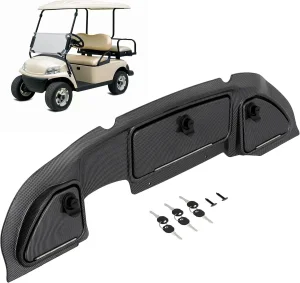
Modern Club Car body panels use high-impact, automotive-grade PP (Polypropylene) engineering materials. Unlike fiberglass panels which chip and fracture, our special PP blend features elastic deformation recovery. This material absorbs minor bumps, retains high-gloss paint finishes under harsh UV rays, and resists chemical spills from battery acids and industrial solvents common in LA ports.
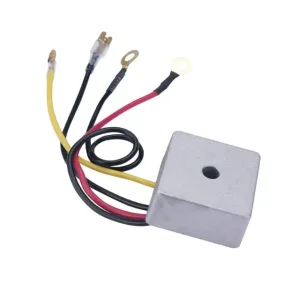
The transition to solid-state power systems is accelerated by advanced speed controllers, such as the replacement for the Curtis 1515-5206 DC Motor Controller. Modern logic circuits feature real-time thermal management, regenerative braking controls, and CAN-bus integration. This allows commercial operators in Los Angeles to customize acceleration profiles, configure electronic safety governors, and extract telemetry data.
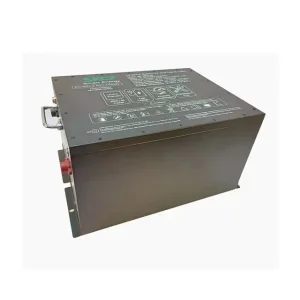
Fleet operators are shifting away from heavy lead-acid batteries. Our technical roadmap focuses on manufacturing high-energy-density LiFePO4 packs (36V to 72V) that drop directly into standard battery trays. These battery systems reduce overall vehicle weight, charge faster, support opportunity charging, and offer up to 3,500 charging cycles, providing reliable performance for round-the-clock operations.
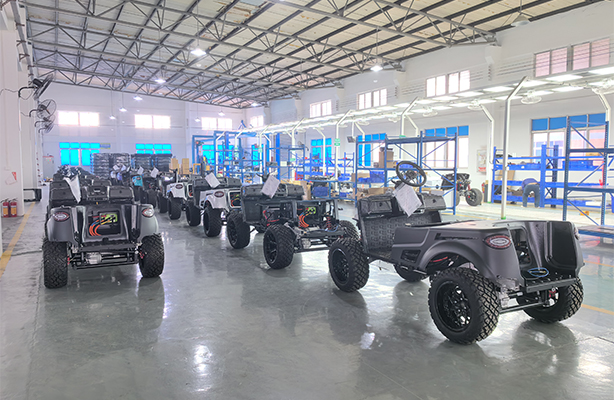
Operating out of a 50,000-square-meter facility in China, XXCART combines cost advantages with strict quality control processes. Our vertical manufacturing model integrates design, precision tooling, plastic injection molding, wire harness assembly, and computerized functional testing in one place, allowing us to respond quickly to market changes.
For fleet operators in the Los Angeles metro area, our direct shipping route to the Port of Los Angeles and Port of Long Beach ensures reliable delivery. We maintain robust production schedules that buffer against raw material supply fluctuations, keeping component costs stable and lead times short.
Why compliance with international and local California safety frameworks is non-negotiable for commercial fleets.
In the United States, commercial and utility light electric vehicles must meet strict safety guidelines defined by federal standards and ANSI/ILTVA Z130.1 / Z135. Operating non-compliant light vehicles on university grounds, ports, or municipal properties poses liability risks for operators. XXCART addresses this risk by certifying our electrical assemblies, charging plugs, and safety light kits under CE, UL, and standard laboratory testing parameters. This makes our products reliable for use in complex commercial settings.
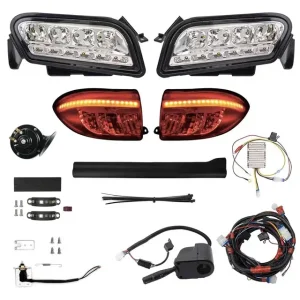
Our safety lighting kits, wiring assemblies, and structural chassis components are designed to meet ANSI structural stability and safety requirements, ensuring occupant protection during industrial use.
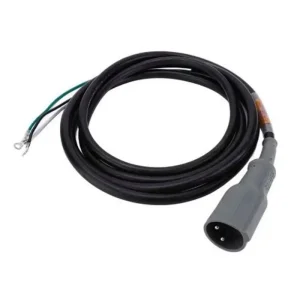
DC receptacles, chargers, and high-capacity lithium battery packs are certified under CE standards. This prevents thermal issues and ensures clean power transfer during rapid charging cycles.
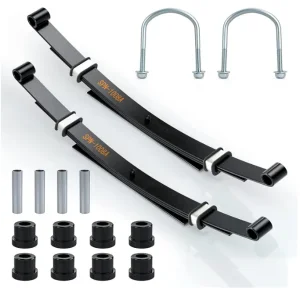
Our leaf springs, spindles, and metal chassis components undergo extensive salt-spray testing. This treatment ensures long-term resistance to rust and oxidation in humid, coastal environments like Los Angeles.
Furthermore, our professional support system connects clients directly with XXCART engineering teams. If a logistics coordinator or resort maintenance director in Southern California experiences a unique application issue, our engineers assist in resolving it. This technical support helps keep downtime to a minimum.
Our manufacturing strategy centers on engineering components that match or exceed original equipment performance levels. We control the injection molds, metallurgy profiles, and electronic parameters for all major items, offering customers reliable products at a competitive price point.
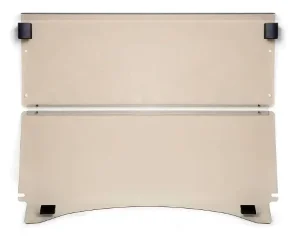
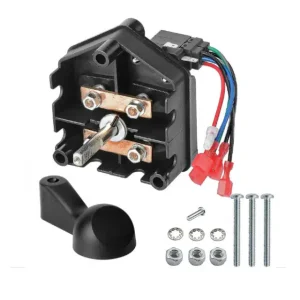
From high-durability acrylic windshields designed for clear visibility to heavy-duty forward-reverse switch assemblies built to handle high electrical currents, we supply components that keep commercial fleets running smoothly.
Answers to technical questions about maintaining, modifying, and ordering Club Car OEM components.
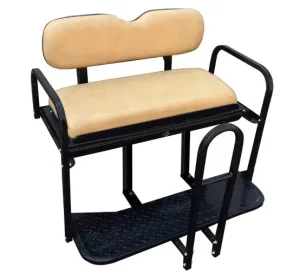
Explore our range of steering, structural, power-transmission, and styling components built to high manufacturing standards.
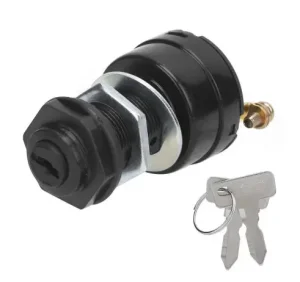
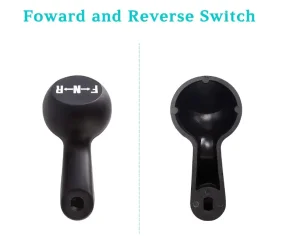
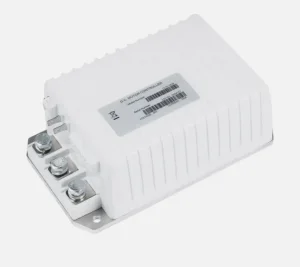
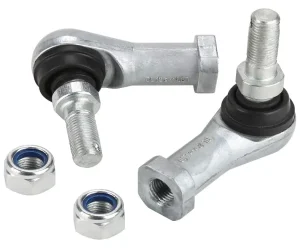
Minimize downtime and control operational budgets by sourcing high-performance components directly from our manufacturing facility. Contact our engineering support team for volume pricing and technical specifications.
Send Inquiry Now