High-Precision Micro-Mobility Component Engineering for Global Fleets and Heavy-Duty Performance Systems
Engineered to match precise mechanical tolerances and guarantee seamless field performance.
Nagoya (located within the Aichi Prefecture) has long been celebrated as the powerhouse of Japanese automotive ingenuity and mechanical engineering. Home to pioneering production frameworks such as the Toyota Production System (TPS) and lean manufacturing practices, the industrial cluster of Nagoya exerts a tremendous influence on global micro-mobility sectors. For operators requiring Club Car OEM parts, Nagoya represents an epicentre of high-tolerance machining, advanced metallurgy, and rugged automotive-grade component testing.
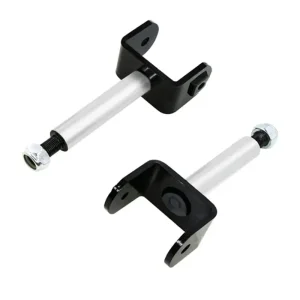
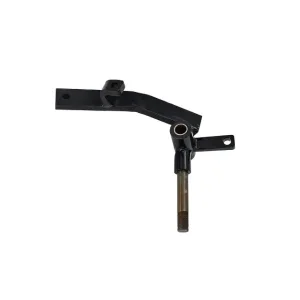
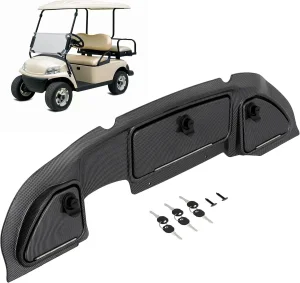
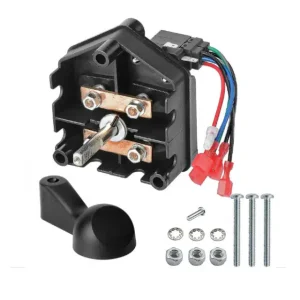
Our manufacturing processes integrate these precise mechanical paradigms directly into the production of replacement parts and upgrade components for heavy-duty electric utility vehicles and golf carts. By utilizing advanced carbon-fiber dashboard designs, double-strengthened front end king pin kits, and intelligent DC motor controllers, we build structural parts that consistently exceed standard OEM durability thresholds. This convergence of Japanese design philosophy with localized, high-output production enables us to supply components that sustain long-term fleet uptime globally.
For global fleet procurement professionals, relying on standard generic replacements is no longer sufficient. Industrial sites, large-scale luxury resorts, and high-frequency utility environments require micro-mobility components built to the same strict durability regimes as heavy passenger motorcars.
The commercial micro-mobility and utility vehicle sector is undergoing a rapid evolution. Across North America, Europe, and Asia-Pacific markets, traditional internal combustion engine (ICE) utility fleets are giving way to high-efficiency, zero-emission low-speed electric vehicles (LSEVs). This structural transition calls for a complete re-evaluation of structural components, power electronics, and suspension elements.
With the rising adoption of heavy lithium battery packs (replacing classic heavy lead-acid configurations), the weight distribution of the vehicle changes significantly. Consequently, front-end steering components (like tie-rod ends and king pins) and rear suspension assemblies (such as heavy-duty multi-leaf springs) must be engineered to withstand altered static stress and dynamic compression loads. Procurement teams must secure suppliers who design systems capable of adapting to these shifting loads to prevent premature fatigue failures on commercial golf courses and resort pathways.
| Component Category | Traditional Standard (Lead-Acid Era) | Modern OEM Standard (Industry 4.0 Era) | Material/Engineering Improvement |
|---|---|---|---|
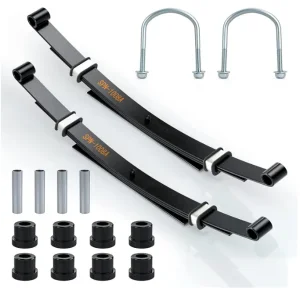
| Suspension Assemblies | Standard 3-Leaf Spring Systems | Heavy-Duty 4-Leaf Systems with Bushings | High-tensile carbon steel, anti-shear bushings |
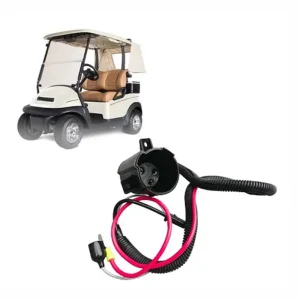
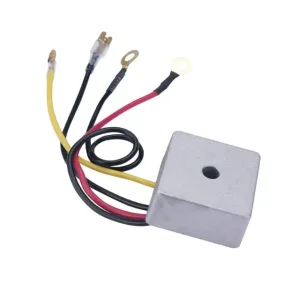
| Power Delivery | Analog Relays / Basic Receptacles | High-Amp Smart Receptacles with Temperature Sensors | Flame-retardant composites, pure copper terminals |
| Steering Joints | Cast Iron Castings | Forged High-Precision Ball Joint Assemblies | CNC-machined, induction-hardened spherical pins |
| Vehicle Dashboards | Standard Molded Styrene Plastics | Automotive-grade UV-resistant Carbon Fiber Covers | High-impact ABS/PP blends, structural webbing |
By sourcing directly from manufacturers that implement localized Nagoya engineering standards alongside scalable modern smart manufacturing, global buyers protect their fleet investments and drive down total cost of ownership (TCO).
Heavy-duty structural upgrades for industrial utility, commercial passenger, and resort transport fleets.
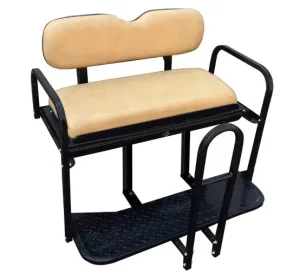
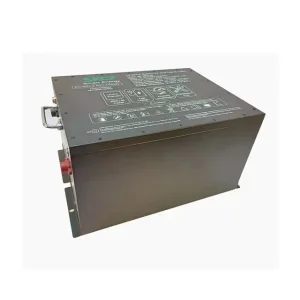
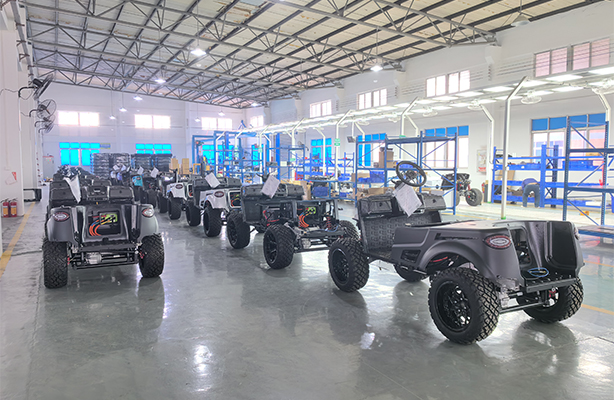
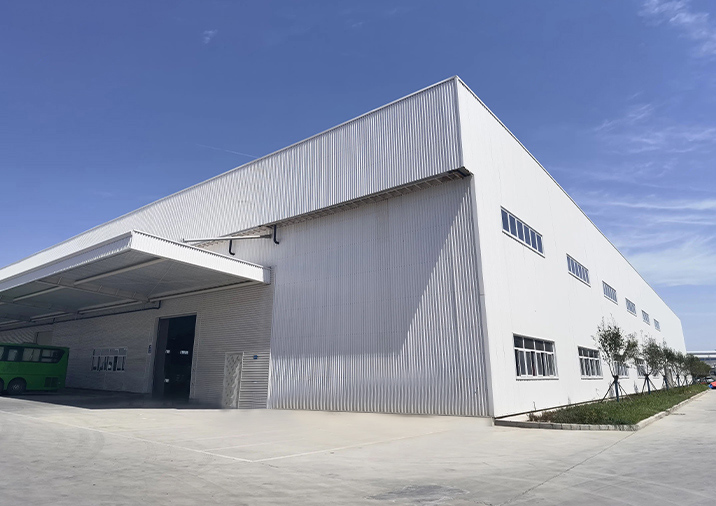
While Nagoya provides the engineering guidelines and quality assurance strategies, the physical execution relies on advanced Industry 4.0 smart factories in China. By combining Nagoya's strict quality control methods with Chinese manufacturing scale, XXCART offers a resilient, highly responsive supply chain. This balance prevents the high costs of regional specialization while keeping parts quality at or above Japanese industrial standards.
Our factories employ fully automated robotic welding systems, computer-controlled CNC mills, and real-time electronic testing bays. Under one unified roof, we control tooling creation, injection-molding parameters, and precision assembly lines. This level of vertical integration means we can quickly roll out custom modifications—such as adjustments to the 48V charging port layouts or custom leaf spring load characteristics—without incurring standard tooling delay penalties.
Furthermore, each finished electrical harness, controller unit, and suspension member is subject to strict load and vibration testing. By carrying out ISO and CE certification processes directly on the production lines, we verify that every container of parts shipped to our distribution networks in North America, Europe, and Asia-Pacific functions reliably right out of the box.
To understand why Nagoya-grade Club Car OEM parts stand out, it is necessary to examine the physical design and metallurgy of our high-demand components:
"By controlling the metallurgy, polymer chemistry, and electronic programming in-house, XXCART provides parts that not only match the physical dimensions of OEM components but frequently outperform them in extreme commercial scenarios."
Different geographic locations present distinct challenges to low-speed utility vehicles. By designing components with regional environmental factors in mind, we verify their long-term reliability in the field:
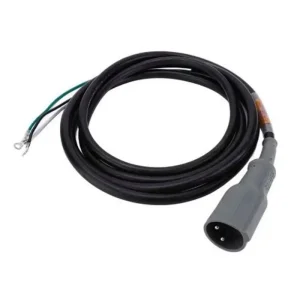
Coastal Resorts & High Salinity Zones (e.g., Okinawa, Florida Key): High salt concentration accelerates corrosion on structural parts and contacts. Our charger receptacles and terminal wires use tinned copper conductors and nickel-plated terminals to prevent resistance build-up and electrical fires.
Hilly and Rough Mountainous Courses: Hilly golf courses place high demands on braking systems, steering linkage, and battery packs. Our precision tie-rod ends and heavy-duty front spindles prevent mechanical play, ensuring tight steering and driver safety on steep descents.
High-Throughput Airport Logistics & Warehousing: Heavy duty cargo operations require components that handle high-frequency cycling and continuous runtime. Our fast-charging plugs and high-amp DC power receptacles support fast, safe charging turnarounds, keeping logistics operations running smoothly.
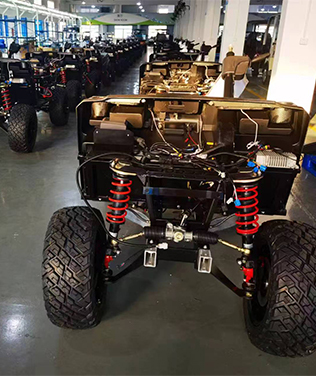
A comprehensive inventory of electrical, structural, and suspension upgrades built to Nagoya's strict standards.
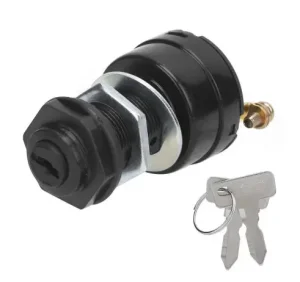
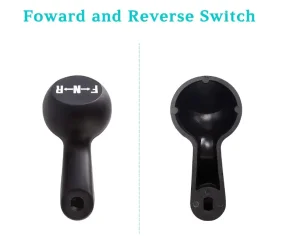
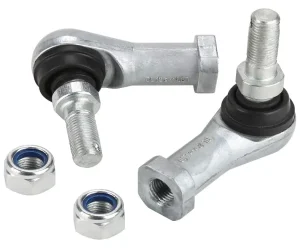
XXCART is a leading manufacturer of high-end customized electric golf carts and precision replacement components. Holding full CE certifications, we integrate design features from EZ-GO, Club Car, and Yamaha with advanced engineering standards. Our facility is structured to deliver performance parts that meet or exceed traditional OEM standards.
Our vehicle bodies are injection molded using specialized PP automotive engineering plastics, providing durability and high impact resistance. By combining Japanese engineering principles with agile manufacturing, we serve global buyers seeking resilient micro-mobility products.
We provide comprehensive, high-capacity engineering support for fleet managers and replacement parts distributors. From adjustability in multi-leaf spring steel rates to specialized plastic compositions, our engineering team can modify configurations to suit your regional market needs.
Answering common engineering, sourcing, and compatibility questions for fleet operators.
XXCART components are designed to meet or exceed original factory parameters. By using advanced materials (such as high-tensile quenches for leaf springs and self-lubricating polymers for steering components), we build parts that tolerate higher mechanical loads. This reduces maintenance requirements for commercial operations.
Standard bare copper wires corrode quickly when exposed to salt-laden sea air, forming copper oxide which restricts power flow. Our 48V charging plugs and receptacles feature tinned copper wires. The tin layer acts as a barrier to oxidation, preventing voltage drops and ensuring safe power delivery over years of use.
High-impact PP (polypropylene) is more elastic and impact-resistant than typical ABS. It absorbs impacts without fracturing, making it suitable for utility vehicles operating in busy logistics areas or tight resort paths where minor collisions can occur.
A 4-leaf rear spring system increases suspension stiffness and load capacity. This prevents rear-end sagging when carrying heavy battery packs or passengers using a rear flip seat, maintaining steering control and headlight alignment.
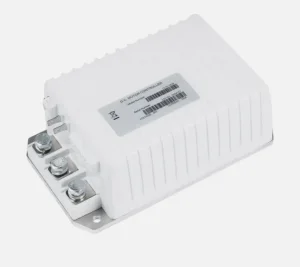
Yes. Our programmable motor controllers (compatible with standard Club Car systems) can be adjusted to limit top speed, adjust acceleration curves, and change braking intensity to suit your site safety requirements.
 XXCART