Engineered for immediate integration into specialized fleet networks operating within equatorial maritime microclimates
Kiribati, an archipelagic nation encompassing 33 coral atolls and islands dispersed across 3.5 million square kilometers of the central Pacific Ocean, presents an extraordinarily unique operational matrix. Key administrative centers such as South Tarawa and eco-tourism hubs like Kiritimati (Christmas Island) rely heavily on lightweight utility and transport infrastructure. Standard commercial vehicles suffer rapid degradation due to the intense combination of airborne salinity, high ambient humidity, and unpaved coral-sand roadways.
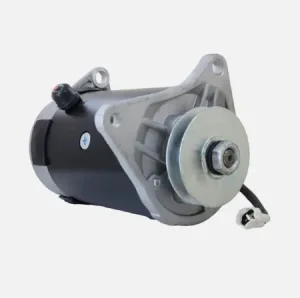
Consequently, electric golf carts, multi-passenger low-speed electric vehicles (LSVs), and light utility transport carts have shifted from simple recreational assets to critical municipal and tourism-related transit solutions. Supporting this vehicle ecosystem requires components engineered to survive under severe climatic stress. Generic aftermarket components fail rapidly due to galvanic corrosion and moisture ingress, making high-spec YAMAHA OEM Parts essential for continuous fleet operations.
"The cost of failure in remote Micronesian logistics is magnified tenfold by transport transit times. Minimizing downtime requires a shift from run-to-failure paradigms to high-integrity OEM parts certified for marine environments."
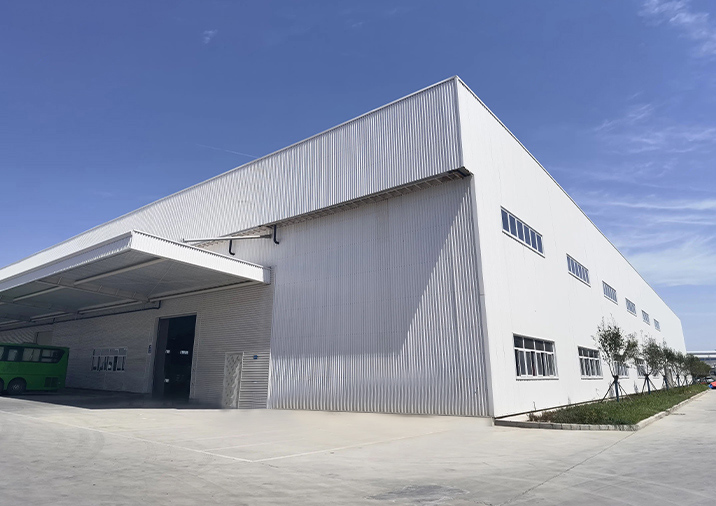
Leveraging state-of-the-art production processes to serve high-reliability requirements in remote zones
XXCART INC is a large-scale manufacturer of electric golf carts and specialized components. By integrating the structural engineering practices of global leading platforms (EZ-GO, Club Car, and Yamaha) with advanced internal R&D, we manufacture drivetrain, electrical, and structural components that meet or exceed original OEM specifications.
Our core manufacturing processes utilize advanced polypropylene (PP) automotive-grade engineering polymers for vehicle body shielding, coupled with electrophoretic deposition and hot-dip galvanization techniques for chassis steel components. This guarantees resistance to premature structural oxidation in high-salinity island environments.
Customizing standard component parameters to mitigate geographical, environmental, and infrastructure challenges
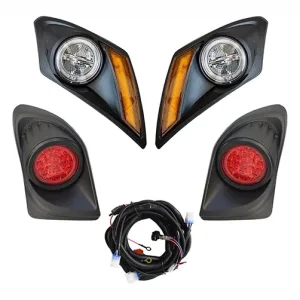
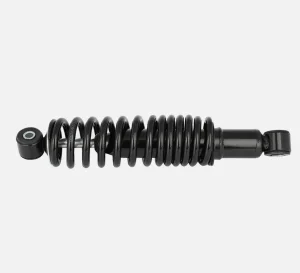
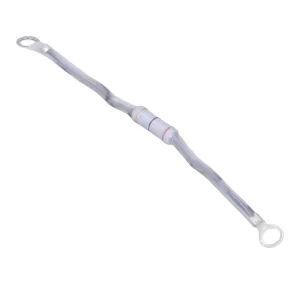
Kiribati's roads are often in close proximity to lagoons and open oceans. Standard exposed copper wiring and low-grade steel bolts degrade rapidly from sea spray. Our specialized Yamaha replacement harnesses use tinned copper wire cores and sealed IP67 terminal blocks to block moisture ingress, while shock absorber assemblies feature specialized multi-layer powder-coating to prevent spring corrosion.
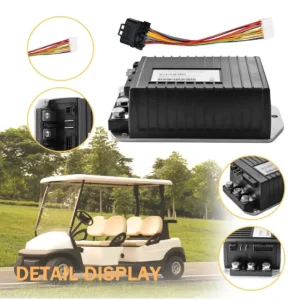
Given that island electricity grids in Kiribati rely heavily on localized solar PV systems, vehicle charging configurations must remain highly efficient. Our motor controllers (24V, 36V, 48V) and smart chargers feature integrated overcurrent protection and voltage spike suppression, protecting cart electronics against unstable output from local off-grid solar storage banks.
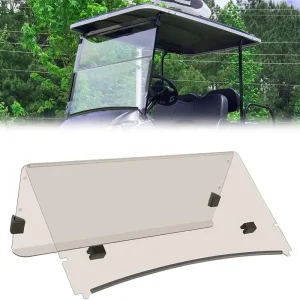
Equatorial solar radiation degrades standard plastic composites quickly, leading to cracks in windshields and bodies. We design windshields using high-density, UV-stabilized impact-resistant polycarbonate. This provides excellent structural stability under intense heat, ensuring clear visibility and long-term durability.
How China-based high-output factories streamline logistics to the South Pacific region
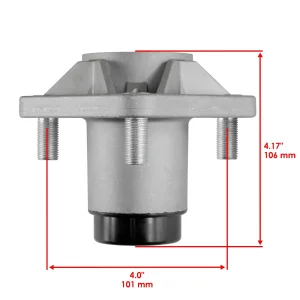
Our facility directly designs and manufactures casting tools. This ensures absolute physical compliance with original Yamaha chassis specs, eliminating tolerances that cause wear during installations on distant islands.
All safety and electrical components undergo salt-spray chamber testing (ASTM B117 standards) and automated mechanical cycle checks, ensuring performance reliability before cargo packaging.
We use heavy-duty, moisture-barrier wooden casing and vacuum-sealed anti-static plastic wraps for maritime shipping routes from China to Tarawa port hubs.
XXCART provides complete compliance documentation (CE certifications, bill of lading documentation, export paperwork), helping operators minimize delays at Pacific customs check-points.
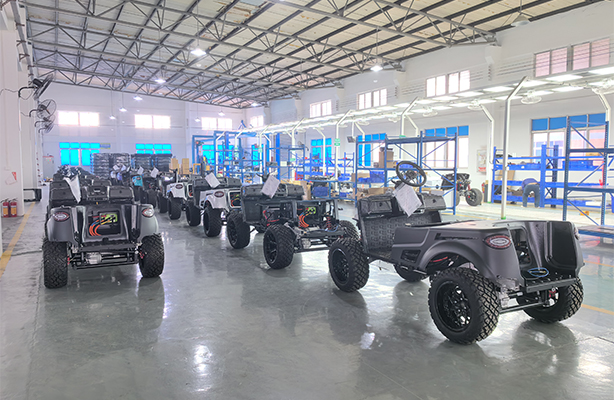
Modern fleet logistics in Micronesia require a balance of mechanical resilience and electrical efficiency. As local organizations phase out older gasoline-powered systems to lower high fuel import costs, upgrading existing fleets with advanced retrofits becomes essential. XXCART's design strategy focuses on mechanical modularity:
Preserving peak operational efficiency with components rated for harsh environmental exposure
Technical clarifications and procurement workflows for corporate customers and distributors in Kiribati
 XXCART