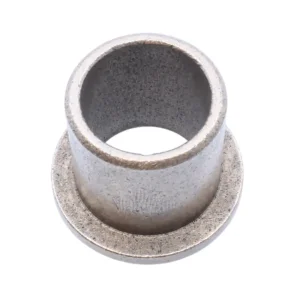
Explore high-precision performance parts designed to maintain and optimize fleet operations. Guaranteed manufacturing compatibility with Club Car, EZGO, and Yamaha configurations.
Analyzing the macro-economic forces, electrification shifts, and high-performance demand across global industrial complexes, tourist resorts, and gated master-planned communities.
The global low-speed electric vehicle (LSEV) market has experienced an exponential growth trajectory over the past decade. No longer confined strictly to the fairways of traditional 18-hole golf courses, golf carts have transitioned into Personal Transportation Vehicles (PTVs), resort mobility vehicles, and heavy-duty industrial workhorses. This shift has elevated the demand for high-specification golf cart tires, turning a niche aftermarket category into a major segment of the global tire manufacturing industry.
Regionally, North America leads global consumption, driven by the massive popularity of gated retirement communities in the Sunbelt states and the rapid adoption of municipal ordinances allowing street-legal golf carts. Concurrently, the European market shows significant demand for highly durable, eco-friendly radial tires tailored for zero-emission urban transport zones and sprawling hospitality complexes. In the Asia-Pacific region, rapid tourism infrastructure growth and massive manufacturing facilities rely heavily on industrial-grade utility carts, demanding high-load carrying capacities and puncture-resistant structures.
Driven by strict DOT requirements and community master plans. Focus centers on high-speed radial configurations, low rolling resistance, and decorative tread patterns for multipurpose usage.
Highly prioritized around eco-compliance, E-Mark certifications, and noise reduction profiles. Advanced silica formulations are preferred to minimize carbon footprint and microplastic shedding.
Dominated by aggressive terrain, heavy-payload manufacturing plants, and tropical climates. Bias-ply tires with high structural integrity and reinforced sidewalls are the industrial standard.
Understanding tire architecture: radial versus bias-ply constructions, advanced tread design matrices, and the rise of airless non-pneumatic solutions.
Historically, the golf cart tire segment was dominated by simple bias-ply designs due to low production costs and sufficient performance at speeds below 15 mph. However, as modern golf carts are fitted with high-voltage lithium battery packs and brushless AC motors capable of speeds exceeding 25 mph, tire engineering has adapted:
With battery efficiency being a key metric for modern fleet operators, minimizing the Rolling Resistance Coefficient (RRC) is critical. Leading manufacturers leverage high-dispersible silica compounds combined with functionalized synthetic polymers. These chemical formulas reduce the inner molecular friction of the compound during rotation, translating directly into a 10% to 15% increase in battery range per charge cycle.
The industry is actively transitioning toward airless tire solutions for industrial environments. Consisting of a heavy-duty resin spoke system bonded to an outer rubber tread, NPTs eliminate puncture risks and pressure maintenance altogether. This technology ensures maximum uptime for commercial fleets operating in demolition zones, metal fabrication plants, and construction yards.
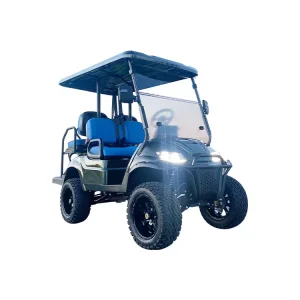
XXCART is a large and powerful manufacturer of electric golf carts which has obtained CE certification. We mainly make high-end customized golf carts, integrating the design and structural advantages of EZ-GO, CLUB CAR, and YAMAHA. Meanwhile, adopting advanced technology, we have researched and developed our own car series designed in accordance with technical standards of imported electric cars.
Cover parts are made out of special PP automobile engineering material, which is featured with fashion, beauty and great durability. These cars are equipped with unique and individual operation systems, agile and smooth steering systems, and independent suspension systems.
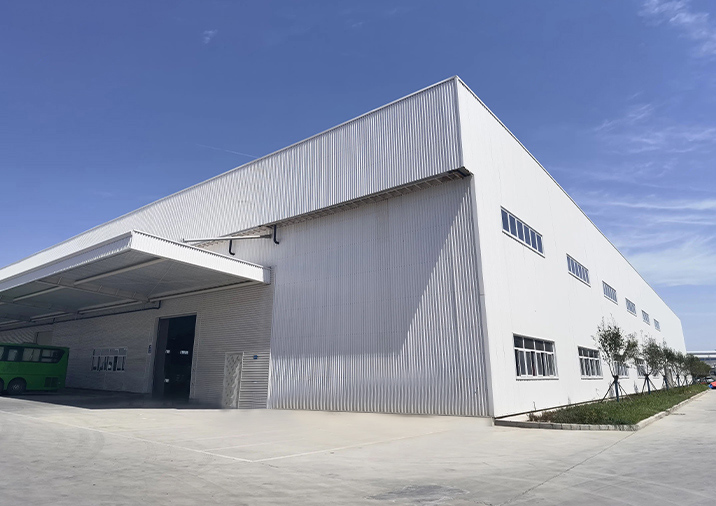
Delivering engineering excellence, rigid production testing, and highly personalized configurations for demanding global markets.
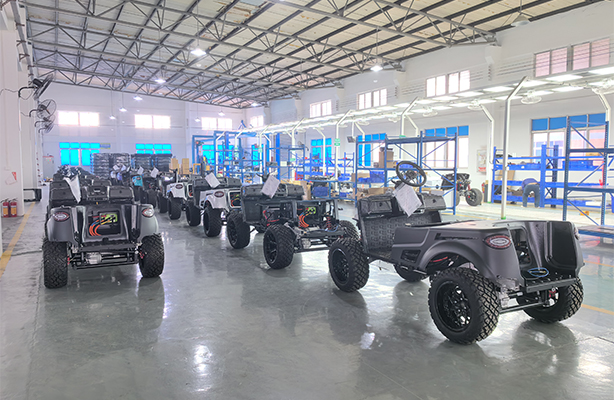
XXCART adheres to quality-bearing responsibility and is committed to providing users with high-quality, safe, and environmentally friendly high-performance products. Our automated production line ensures tolerance controls within microns.
Adhere to technology to create advantages, and strive to promote industrial progress, support enterprise development, and realize product upgrading through relentless structural and material innovation.
Adhere to service highlighting value, and strive to meet growing customer expectations. We provide tailored solutions spanning tailored suspension setups to customized electrical configurations.
Connecting engineering centers and servicing major brands with exceptional aftermarket parts that meet or exceed standard requirements.
Due to our unique style, excellent quality, and perfect service, we have been approved by clients and the global market to the maximum extent. We maintain a healthy market share and stable trade routes in the **USA, Italy, Canada, Belgium, Bulgaria, Ireland, Austria, Norway, Sweden, Denmark, Finland, France, Spain, Brazil, Mauritius, Maldives, Thailand, and the Philippines**. Through strategic brand-sharing and joint R&D projects, we continuously elevate performance standards.
We are able to meet various demands of different customers by adopting varied configurations of color and style. We not only provide our customers with excellent before-sale service but also support them with structured after-sale engineering services, going as far as deploying technical specialists globally to resolve customer issues directly on-site.
"We design and develop numerous parts, and control the tooling and manufacturing operations for most of our items. You can be assured of consistently high-quality products at a reasonable price. Our major OEM parts portfolio covers Club Car, E-Z-GO, and Yamaha configurations. At XXCART, we are proud to offer functional parts which equal or exceed OEM replacement parts and accessories at competitive pricing."
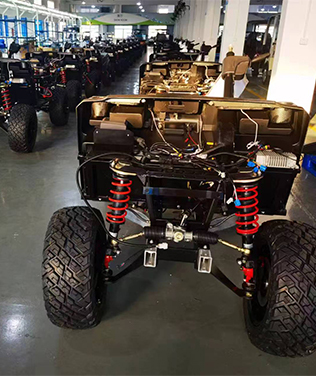
Optimizing total cost of ownership (TCO) and operational efficiency via specialized tire management programs.
Implementing highly reinforced multi-ply and puncture-prevention compounds to avoid downtime during operations in high-exposure commercial resort networks.
Using specialized wide-block rib patterns that distribute vehicular load evenly, preventing tearing or compaction of premium golf course turf systems.
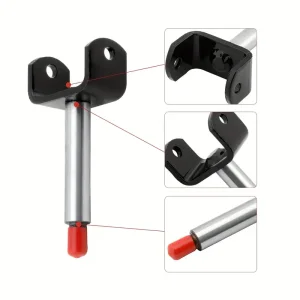
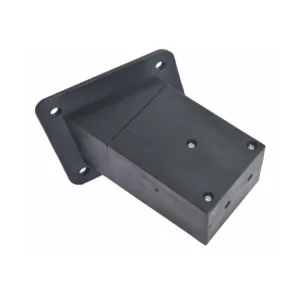
A single supply chain channel for hubs, brakes, linkages, and suspension components, lowering procurement complexity and shipping costs.
Answers to key industrial buying questions, material compliance, and performance optimization topics.
Broadening fleet capacity with robust structural replacement parts. Browse through our premium, certified assemblies below.
 XXCART