High-precision replacement assemblies, electrical components, and heavy-duty mechanical elements for Club Car, EZGO, and Yamaha vehicle fleets.
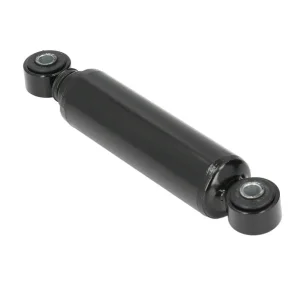 OEM Club Car Golf Cart Front Shocks - 1014235/102588601 Replacement for DS & Precedent Supplier, Factory
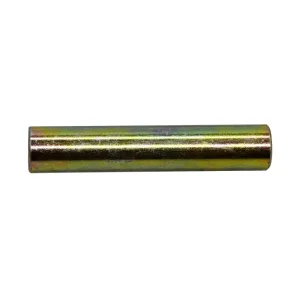 CE Certification Rack & Pinion Drag Link #1012467 - Fits 1984-2008 Club Car DS Golf Cart Manufacturers, Factory
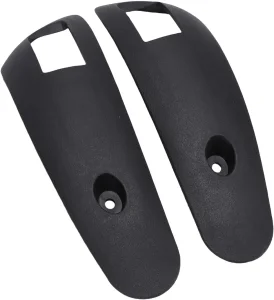 OEM Club Car Precedent 2004+ Front Canopy Support Cover Pair – Fits Driver & Passenger Side, Replaces 102400002 & 102400102 Manufacturer, Supplier
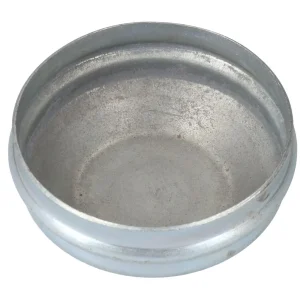 OEM Metal Wheel Hub Dust Grease Cover - Trailer Bearing Protector 1011887 Suppliers, Factory
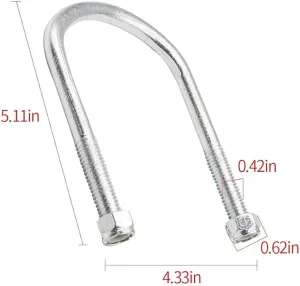 OEM Leaf Spring U-Bolt for Club Car DS & Precedent Golf Carts, Replaces 1014902 Supplier, Factories
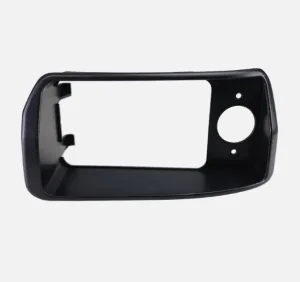 OEM Club Car Golf Cart DS 1993+ Driver Side Headlight Bezel - Part No. 1016880 Manufacturer, Factories
 OEM 1017235 Jounce Bumper for Club Car Precedent/DS/Carryall 1996-up Suppliers, Supplier
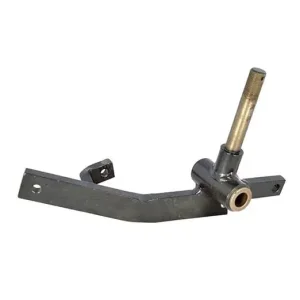 CE Certification Front Right Passenger Side (1010347) & Driver Side (1010348) Spindle for Club Car DS Golf Cart 1981-2003 Manufacturer, Suppliers
In modern low-speed electric vehicles (LSEVs), particularly golf cart fleets operating in intensive commercial ecosystems, battery lifecycle optimization is key. An accurate, heavy-duty EZGO battery indicator acts as the central diagnostic bridge between the electrochemical storage unit and the operator. Traditional voltage-based metering systems are no longer sufficient to meet the challenges of modern fleet configurations. Fluctuations in temperature, voltage sag under high current draw (such as climbing steep inclines), and the distinct discharge curves of various battery chemistries require advanced metering technologies.
As a premier OEM Ezgo battery indicator supplier and factory, XXCART INC designs and manufactures solid-state state-of-charge instrumentation. Our devices utilize microcontrollers with integrated voltage filtering algorithms and temperature compensation parameters. Whether monitoring standard Lead-Acid configurations or integration with state-of-the-art Lithium-Ion (LiFePO4) Battery Management Systems (BMS), our indicators ensure precision, preventing over-discharge scenarios that lead to cell degradation and fleet downtime.
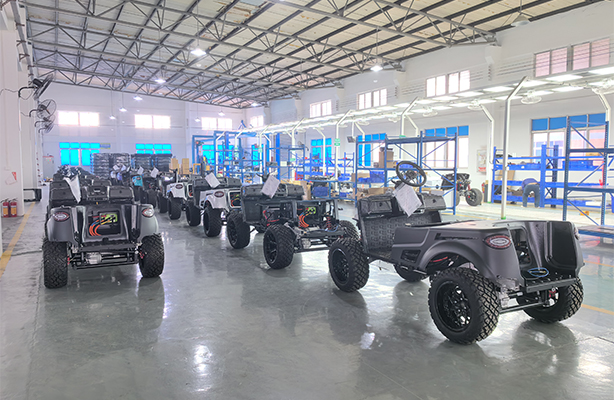
XXCART INC is a large-scale manufacturer of electric golf carts and electronic powertrain components, backed by comprehensive CE certification. We develop high-end customized vehicles and components by integrating the design strengths of industry benchmarks, including EZGO, Club Car, and Yamaha. By deploying advanced R&D technology, our engineering division has designed and developed proprietary parts matching and exceeding OEM standards.
Our automotive-grade PP material covers, advanced steering racks, and electronics are calibrated for extreme environmental resilience. Operating from our state-of-the-art production complex, we serve B2B clients globally with high-precision fabrication, robust Quality Control (QC), and customized OEM/ODM services.

Why global buyers partner with XXCART for high-precision components and custom utility vehicle accessories.
We leverage automated SMT (Surface Mount Technology) assembly lines and calibrated environmental testing chambers to ensure electronic telemetry boards resist humidity, shock, and extreme thermal ranges.
Components feature IP65-rated moisture barriers, optical-grade UV-resistant lenses, and impact-resistant casings that withstand structural strain and exposure to sunlight on golf courses or industrial yards.
We configure diagnostic systems to match unique battery chemistries, custom voltage thresholds (24V, 36V, 48V, 72V), display configurations (LED bar, LCD numeric, CAN-bus integration), and custom faceplate branding.
An effective battery indicator does more than report dynamic voltage. In electric vehicles, battery voltage fluctuates depending on real-time motor load. When climbing a steep hill, a golf cart motor draws high current, causing the battery voltage to drop temporarily—an effect known as "voltage sag." Standard voltage indicators without built-in processors will show a false drop in charge, which can confuse operators and lead to premature charging.
Our smart OEM Ezgo battery indicators address this issue by incorporating a microprocessor-programmed delay mechanism. This system monitors voltage trends over time rather than instant drops, filtering out transient voltage sags. For lithium conversions, we offer indicators that communicate directly via the BMS CAN-bus protocol, ensuring accurate state-of-charge tracking regardless of operational load.
The global electric vehicle accessory market relies on the production efficiency and supply chain integration found in China's industrial manufacturing zones. Sourcing from our modern plant in China provides key advantages:
For resort complexes, industrial parks, and municipal maintenance operations, golf cart fleets are a key utility asset. Unexpected battery failures disrupt workflows and reduce productivity. Implementing our smart indicators across your fleet helps prevent deep-discharge issues, which can damage lead-acid cells and reduce their lifespan by up to 50%.
Our OEM indicators can also integrate with telematics platforms, allowing fleet managers to track battery levels remotely. This enables predictive maintenance scheduling, ensuring vehicles are charged before reaching critical thresholds.
As the global utility vehicle industry transitions toward lithium-ion powertrains, battery indicators must evolve as well. The flat discharge curve of lithium-iron-phosphate (LiFePO4) batteries makes traditional voltage-based meters ineffective. A lithium battery will maintain a steady voltage near 3.2V per cell for most of its discharge cycle before dropping sharply at the end.
Modern indicator systems utilize Coulomb counting, which measures current flow in and out of the battery pack over time to calculate State-of-Charge. Our engineering team is at the forefront of this trend, developing indicators equipped with Hall-effect sensors and digital communication interfaces (RS485 and CAN-bus) to support next-generation smart fleets.
Technical specifications, compliance parameters, and manufacturing standards for XXCART OEM battery indicators.
Operating Voltages: 12V, 24V, 36V, 48V, 72V (auto-detect or customized firmware)
Current Draw: < 20mA (nominal operating state)
Sealing Standard: IP65 Front Panel Waterproof / Dustproof
Accuracy: +/- 0.5% for Smart Coulomb models
Lens: High-impact, UV-treated optical PMMA
Casing: Fire-retardant ABS/PC compound (UL 94 V-0 standard)
Connectors: Plated brass terminals for moisture resistance
Mounting: Standard round (52mm / 2-inch) or rectangular snap-in options
Compliance: CE, RoHS, FCC certified
Vibration Testing: 10-55Hz sweep cycle under continuous operation
Thermal Cycling: Operational testing from -20°C to +65°C
Quality Control: 100% functional validation prior to packaging
Technical advice and troubleshooting information from our engineering team.
Browse our selection of OEM parts, hub assemblies, controls, and high-performance accessories.
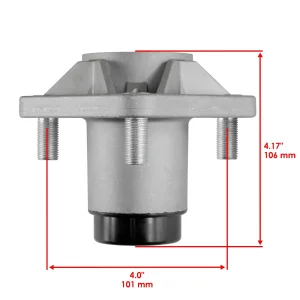 Best EZGO RXV Front Wheel Hub Assembly 2008-Up | Fits Gas & Electric Models | 609603 Manufacturers, Factory
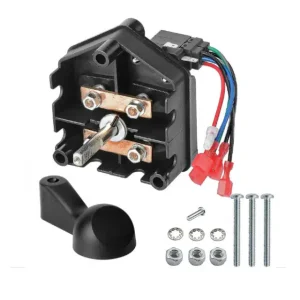 Best Heavy Duty Forward Reverse Switch Assembly Compatible with Club Car Golf Cart Factories, Factory
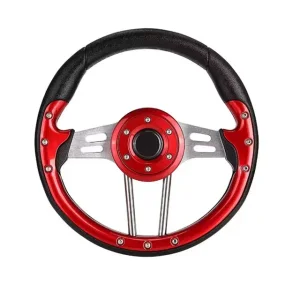 OEM Universal Golf Cart Steering Wheel For Golf Cart Club DS and Precedent Yamaha EZGO Manufacturers, Factory
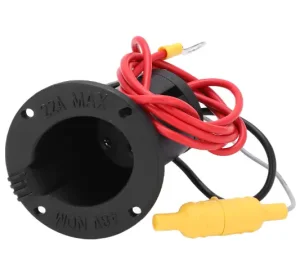 CE Certification Club Car 48 Volt Charger Receptacle & Fuse Assembly - OEM Replacement 101802101 Manufacturer, Factories
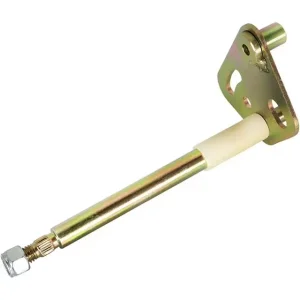 OEM 102026001 Accelerator Pivot Rod For Club Car Golf Carts 1996-Up Manufacturers, Factory
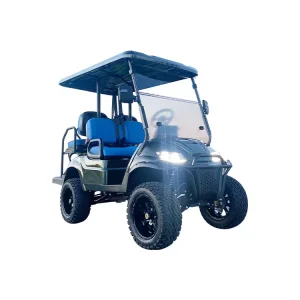 OEM New Design Best Price 4 Seater Lithium-Ion Battery Lifted Electric Golf Cart Supplier, Factory
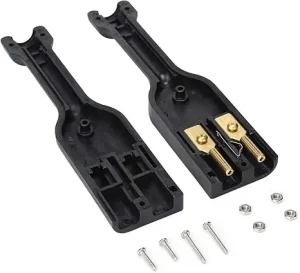 OEM EZGO TXT & Medalist 1996-Up 36V PowerWise Charger Handle Plug | Fits PDS/DCS Models | Replaces 73345-G01 Manufacturers, Factory
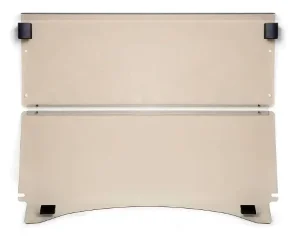 Best Golf Cart Tinted Acrylic Windshield for Club Car Precedent Suppliers, Factory
 XXCART