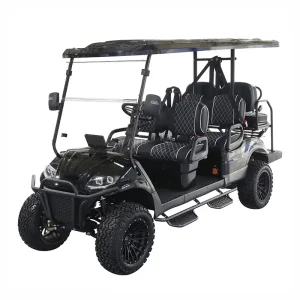
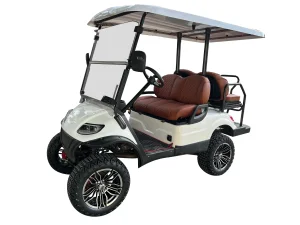
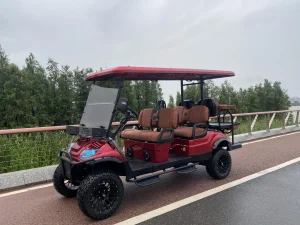
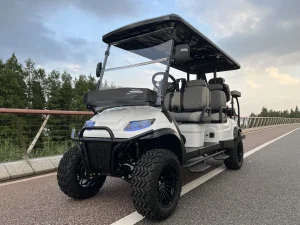
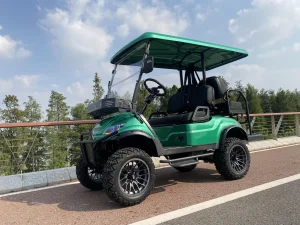
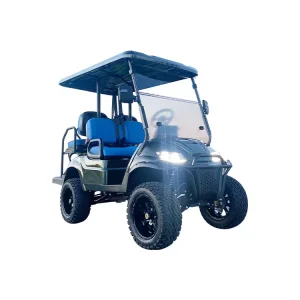
Engineered for Kenyan safari resorts, gated developments, and industrial parks, matching global standard certifications with localized adaptability.
An in-depth analysis of off-road electric transport demand in East Africa's most robust economy.
Kenya is rapidly solidifying its position as the green tech hub of East Africa. Driven by both national clean energy commitments and a distinct economic interest in lowering high operational expenditures, the demand for light electric vehicles (LEVs) has grown exponentially. At the center of this transformation lies the utility transport sector—specifically EV golf carts and low-speed electric vehicles (LSVs). These transport modules, once restricted to high-end golf courses, have emerged as indispensable assets across Kenya's hospitality, agricultural, real estate, and municipal sectors.
In accordance with Kenya's National Green Fiscal Incentives Framework and its Nationally Determined Contributions (NDCs) targeting a 32% reduction in greenhouse gas emissions by 2030, commercial enterprises are aggressively phasing out diesel and petrol-powered utility buggies. The transition is fueled by the significant local availability of renewable energy; over 90% of Kenya’s national electricity grid is powered by clean energy sources including geothermal, hydro, wind, and solar. Purchasing heavy-duty EV golf carts from specialized global manufacturers allows companies operating in Nairobi, Mombasa, Kisumu, and Naivasha to run entirely zero-emission transport fleets with minimal carbon overhead.
Understanding the target user intent within East Africa requires dissecting the specific sub-sectors where EV golf carts are deployed:
Integrating Elite Design with Advanced Electrical Engineering Standards
XXCART is an industry-leading, CE-certified manufacturer of high-end electric golf carts and specialized utility vehicles. Rather than taking a generic approach to manufacturing, we integrate the engineering strengths of major platforms—including EZ-GO, Club Car, and Yamaha. By adapting state-of-the-art chassis geometry, suspension dynamics, and electronic controller layouts, we design and build our proprietary vehicle lines to match the technical rigorousness of premium import vehicles.
Our commitment rests on three operational pillars: Precision Engineering, Robust Structural Integrity, and Deep Customization. This approach guarantees that when a client in Kenya procures our electric golf carts, they are acquiring an industrial-grade asset capable of navigating volcanic tracks, sandy coastal terrains, and steep escarpments with minimal downtime.
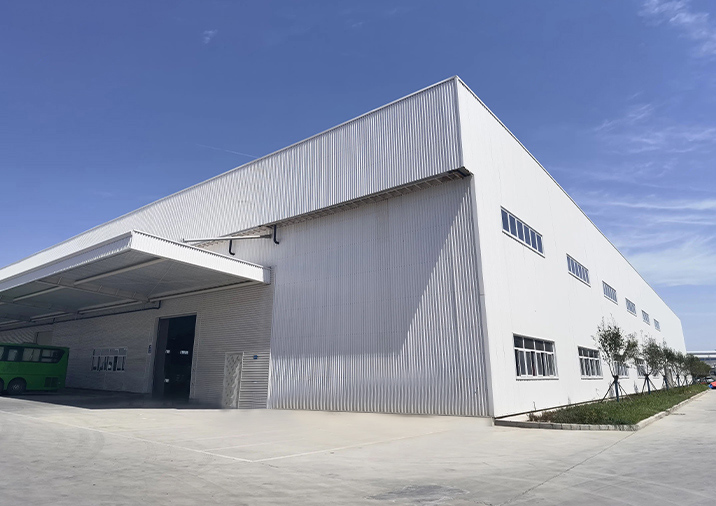
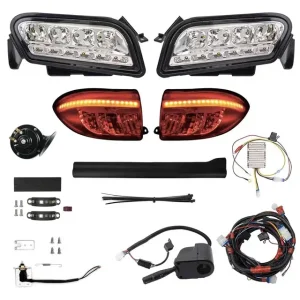
Premium customizations and essential vehicle assemblies to support long-term fleet deployment in rugged environments.
Why standard off-the-shelf electric vehicles fail in African environments and how XXCART addresses it.
Purchasing an electric golf cart for use in Kenya requires careful attention to durability. Unlike the smooth turf of North American or European golf courses, Kenyan operations frequently subject LEVs to challenging physical conditions. These include highly abrasive volcanic dust in Rift Valley locations like Naivasha and Nakuru, extreme humidity and salt spray along the Mombasa coast, and rugged clay tracks in safari camps. Standard golf carts often experience frame failures, electrical short circuits, and rapid battery degradation under these conditions.
To ensure reliability, XXCART’s engineering division has introduced several localized upgrades for our Kenyan exports:
A major concern for fleet managers in Kenya (such as procurement directors in Nairobi or fleet operators in Maasai Mara) is the long-term availability of spare parts. Many lower-tier electric vehicle brands require proprietary replacement components, leading to weeks of operational downtime during customs clearances.
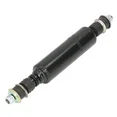
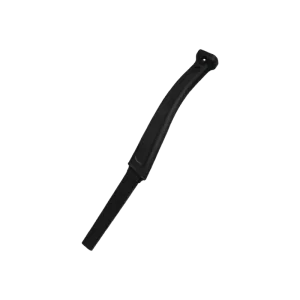
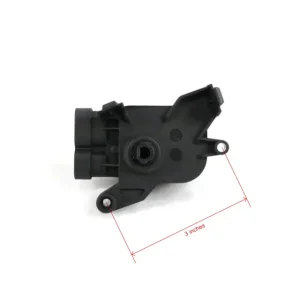
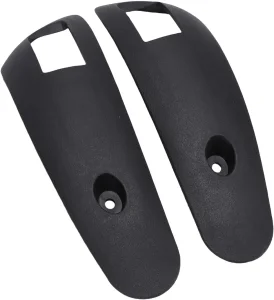
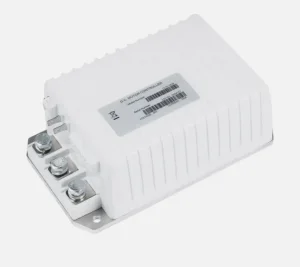
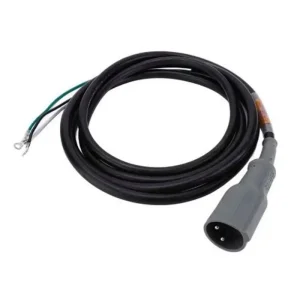
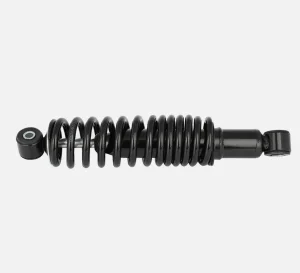
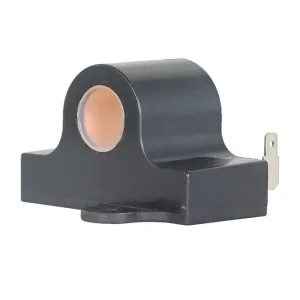
XXCART addresses this issue by designing our models with cross-compatible components. Our replacement parts are built to match or exceed the specifications of original equipment manufacturer (OEM) components for major global brands, including Club Car, EZ-GO, and Yamaha. Whether you need a Curtis DC motor speed controller, a Club Car Precedent front canopy support cover, an inductive throttle sensor for an EZ-GO, or shock absorbers for a Yamaha G29, our products slot in seamlessly without requiring modification. This compatibility allows Kenyan workshop managers to maintain mixed fleets with ease, sourcing parts directly from our factory or local distributors.
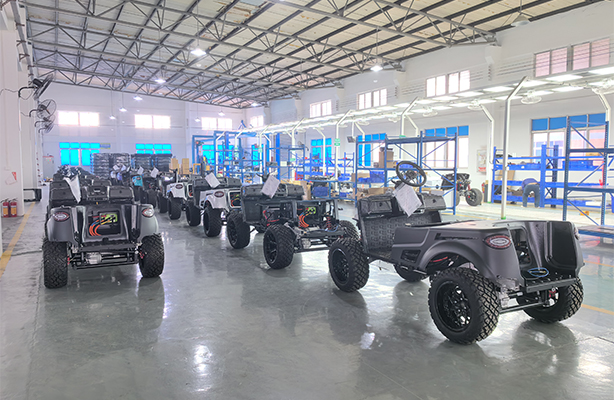
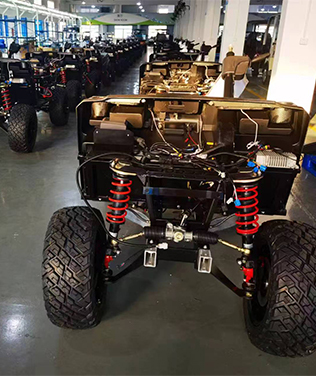
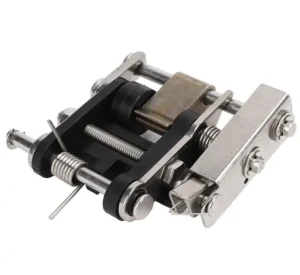
Heavy-duty replacement parts engineered to withstand the demanding road conditions of East Africa, compatible with Club Car, Yamaha, and EZ-GO systems.
Maximizing energy independence and optimizing capital expenditures for East African commercial operators.
A key focus of our business expansion in East Africa involves analyzing the Total Cost of Ownership (TCO) of electric utility fleets compared to internal combustion engines (ICE). Operating traditional petrol-powered carts in Kenya presents several challenges. These include rising fuel prices, regular engine oil changes, spark plug replacements, and belt maintenance. In contrast, XXCART electric vehicles reduce routine mechanical interventions by over 70%. Eliminating high-wear components like transmissions and combustion chambers yields significant savings over the asset life cycle.
Below is a comparative breakdown of utility vehicle fleet metrics in tropical settings:
| Operational Parameter | Standard Gasoline Utility Buggy | XXCART Lithium-LiFePO4 EV |
|---|---|---|
| Energy Source / Fueling | Imported Premium Gasoline (KES fluctuations) | Low-cost Local Grid Power or Solar Integration |
| Routine Maintenance Needs | Filters, oils, belts, valves, spark plugs (Every 250 hrs) | Virtually zero; simple battery health and brake checks |
| Environmental Noise Profile | High decibels (65–80 dB) - disrupts wildlife and guests | Quiet operations (<20 dB) - ideal for eco-safaris |
| Regenerative Energy Recovery | None; energy lost as frictional heat on downhills | Recovers up to 15% charge during downhill descent |
| Lifespan & Residual Value | High vibration speeds mechanical wear (3–5 years) | Expected lifecycle of 8–10+ years with LFP batteries |
In off-grid locations—such as safari properties in the Maasai Mara or coastal lodges on Lamu Island—stable grid electricity is often unavailable. XXCART has developed solar canopy integrations to meet this challenge. Our engineers replace standard fiberglass canopies with high-efficiency monocrystalline solar panels. These panels continuously charge the lithium battery pack via a step-up MPPT (Maximum Power Point Tracking) charge controller during daylight hours.
This solar addition adds up to 15–20 kilometers of daily range depending on sunlight conditions. This often eliminates the need for grid-tied charging for short-range utility cycles. For larger fleets, we design centralized solar microgrid charging shelters. This allows logistics hubs to run utility fleets on clean solar energy, reducing generator use and minimizing environmental impact.
Ensuring quality control, international safety alignments, and technical training for East African technicians.
Entering the East African Community (EAC) market requires strict adherence to regulatory standards. All XXCART electric vehicles comply with international quality marks, including Europe’s CE Certification and the ISO 9001 quality system standard. When importing vehicles into Kenya, we coordinate with accredited Pre-Export Verification of Conformity (PVoC) agents to ensure full compliance with the Kenya Bureau of Standards (KEBS) requirements. This ensures smooth clearance at the Port of Mombasa and eliminates import delays.
Furthermore, our engineering roadmap prioritizes integration with modern telematics systems:
Our newer models feature cloud-integrated GPS tracking and battery diagnostics systems. This technology allows Kenyan fleet managers to monitor state-of-charge (SoC), track usage boundaries using geofencing, and receive warning codes for electronic components remotely from their offices in Nairobi or Mombasa.
Additionally, XXCART recognizes that local technical expertise is vital to maintaining fleet performance. We supply comprehensive digital wiring diagrams, repair guides, and access to replacement components. If needed, we can arrange for skilled service technicians to travel to Kenya. This support helps local mechanics service our vehicles safely and efficiently, ensuring long-term operational success.
Answering key logistical, technical, and regulatory questions for procurement officers and property managers.
In Kenya, battery electric vehicles (BEVs) enjoy lower excise duties (10%) compared to conventional combustion engine vehicles (20%). While standard customs duties apply, the government offers tax concessions for green technologies. XXCART provides complete documentation, including CE certifications and HS code invoices, to help your customs broker apply correct tariffs at the Mombasa Port.
Yes. Our vehicles are equipped with high-torque AC motors and Curtis controllers, configured specifically to climb steep inclines. Integrated regenerative braking systems also capture kinetic energy on descents, converting it to recharge the battery while preventing brake wear.
Lithium Iron Phosphate (LFP) batteries perform much better in Kenya's warmer climates. They support over 3,000 charge cycles, offer high thermal stability, and require no maintenance. Standard lead-acid batteries degrade quickly in hot conditions, suffer from acid evaporation, and need constant water top-ups.
XXCART components are designed to be compatible with industry-standard platforms like Club Car, EZ-GO, and Yamaha. Key replacement parts—including shock absorbers, throttle sensors, and controllers—can be easily sourced from local dealers in Nairobi or shipped directly from our factory with short lead times.
Yes. Our smart chargers work with 220V–240V AC power, making them easy to plug into inverter systems powered by solar microgrids. We also offer custom solar canopy panels that trickle-charge the battery throughout the day, extending the vehicle's operational range.
Our automotive-grade PP material is much more durable than fiberglass. It resists cracking on rough dirt roads, absorbs impacts without denting, and has high UV resistance to prevent fading under strong equatorial sunlight.
All models feature hydraulic brakes, electromagnetic parking brakes, LED headlamps, side mirrors, and three-point seatbelts. These additions help meet the safety requirements for operating within resorts and private residential estates.
Production takes 15–25 days depending on the customization level. Ocean shipping from our factory to the Port of Mombasa typically takes 25–35 days, including customs clearance and pre-shipment inspections.
 XXCART