Premium electric golf carts engineered for resort transit, residential communities, and zero-emission industrial sites across Mexico.
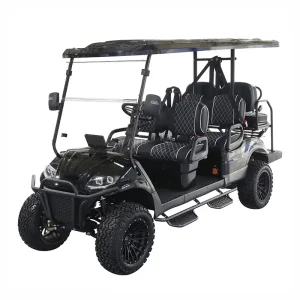
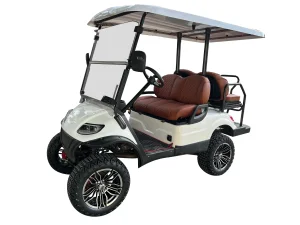
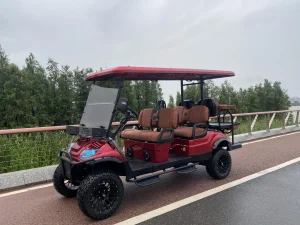
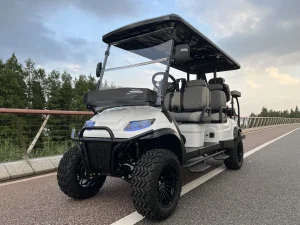
The Mexican commercial transportation sector is witnessing an unprecedented transition toward electric mobility. Historically viewed as specialized recreational vehicles, electric golf carts (EV golf carts) and electric utility vehicles (EUVs) are now core assets in municipal sanitation, hospitality operations, airport logistics, and the heavy manufacturing facilities that line Mexico’s industrial northern corridor. As global corporations rush to establish assembly plants in Monterrey, Querétaro, and Coahuila—a trend known as "nearshoring"—there is a parallel corporate mandate to align local operations with global ESG (Environmental, Social, and Governance) targets.
This shift is driven by both macroeconomic opportunities and local microeconomic realities. Fleet operators in tourist destinations like Cancún, Riviera Maya, Cabo San Lucas, and Puerto Vallarta are phasing out internal combustion engines (ICE) to protect local air quality and lower operational noise levels. Simultaneously, manufacturing parks and free-trade zones under the USMCA (United States-Mexico-Canada Agreement) require low-cost, zero-emission transportation to move materials, personnel, and inspection crews across vast factory floors.
The expansion of the automotive and electronics manufacturing sectors in Mexico has catalyzed the demand for robust, zero-emission logistics vehicles. In massive maquiladoras and logistics hubs, gas-powered utility vehicles are impractical due to indoor emissions, while lead-acid electric fleets struggle with downtime and rapid battery degradation. High-capacity, lithium-ion powered electric utility buggies are filling this critical operational gap.
By deploying heavy-duty electric utility vehicles, manufacturers operating in the Mexican Bajío region can reduce facility operational costs by up to 65% compared to internal combustion alternatives. This cost advantage is achieved through reduced moving parts, lower local electricity tariffs for industrial plants, and the elimination of fuel storage and handling hazards.
Many international developers building industrial parks in Mexico are designing projects to meet LEED certification standards. Incorporating zero-emission EV golf carts and utility carts for security, maintenance, and guest tours is a high-visibility way to earn green build points and showcase sustainable corporate governance.
We design and develop premium parts and complete vehicle systems to support operations in the Mexico market.
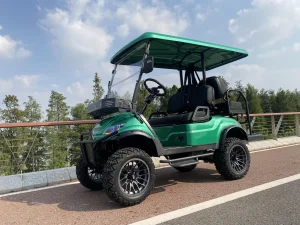
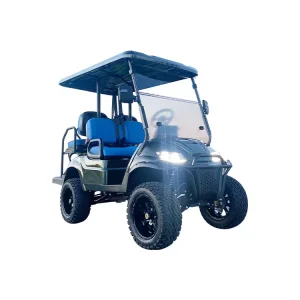
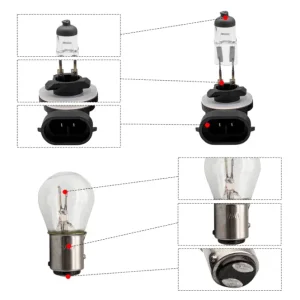
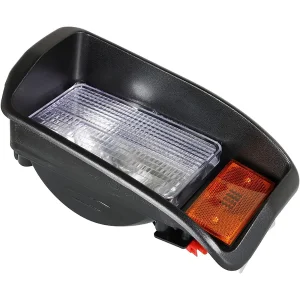
Developing EV golf carts capable of enduring the harsh environments of Mexico requires sophisticated materials science and electrical engineering. Coastal resorts encounter extreme salt spray, high humidity, and high ultraviolet (UV) radiation, which rapidly corrodes steel-chassis vehicles and degrades poor-quality plastics. Conversely, industrial zones in central and northern Mexico must handle high dust levels, heavy loads, and prolonged operation periods.
Equipped with Smart BMS (Battery Management System), providing rapid charging, deeper discharge depth, and thermal stability in hot climates.
Body covers made from premium, high-impact PP (polypropylene) materials to guarantee excellent UV stability, flexibility, and rust resistance.
Double A-arm front independent suspension + trailing arm rear setup ensures smooth, stable transit across rugged off-road terrains.
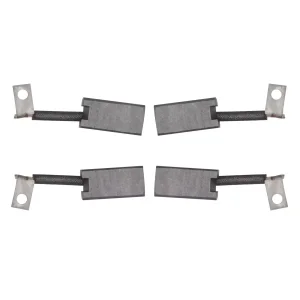
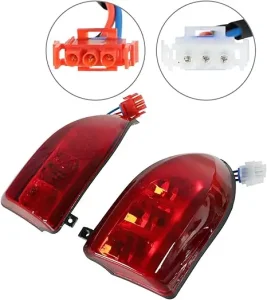
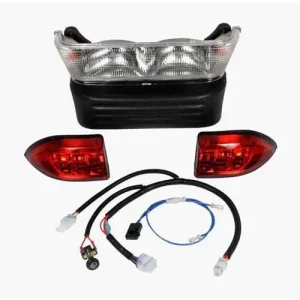
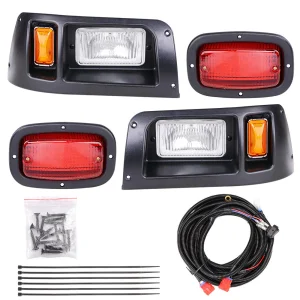
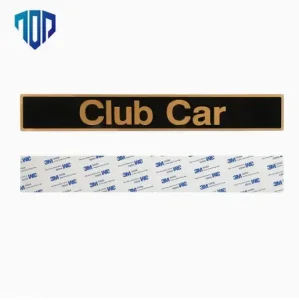
For fleet managers operating massive fleets, mixed brand operations are standard. One of the main challenges for procurement teams in Mexico is spare parts sourcing. At XXCART INC, we solve this pain point by designing our parts (speed sensors, taillight kits, shock absorbers) to be compatible with dominant platforms like Club Car, E-Z-GO, and Yamaha.
This ensures that operations managers can reduce inventory overheads and seamlessly interchange components, thereby avoiding prolonged vehicle downtime. By designing custom brackets and harnesses, our vehicles and replacement kits can easily integrate into pre-existing golf fleet infrastructures.
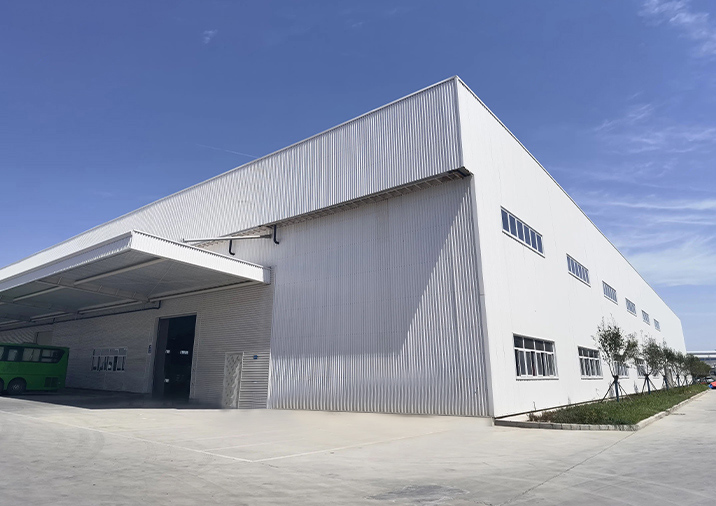
Every business environment in Mexico has distinct requirements. Coastal resorts in Cancún demand luxury aesthetics, 10-inch smart dashboards, and integrated keyless start functions. In contrast, heavy manufacturers in industrial hubs like Monterrey require heavy-duty cargo utility boxes, lifted chassis structures, and high-performance speed controllers.
XXCART INC's advanced engineering team offers full ODM services to customize the configuration, color, battery capacity, and seating arrangement (from 2-seater utility platforms to 6-seater passenger options). Our goal is to supply vehicles that meet your specific terrain, regulatory, and corporate demands.
Consult an EngineerPremium, wear-resistant replacement parts and upgrades designed to extend the lifespan of your Club Car, EZ-GO, and Yamaha fleets.
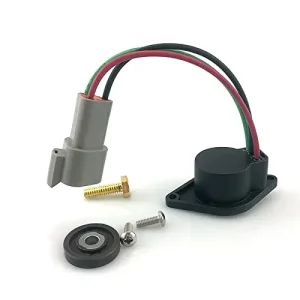
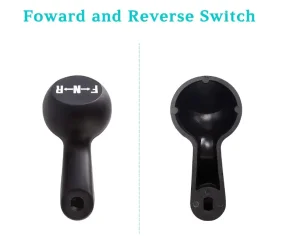
Sourcing electric vehicles for deployment in Mexican industrial and commercial sectors requires navigating international shipping and local road compliance. While light electric golf carts do not always require registration for public road transit, they must comply with safety regulations inside private resorts and commercial spaces.
All products from XXCART INC carry strict CE Certification, certifying that electrical, structural, and chemical components adhere to rigorous international safety standards. For operations inside Mexican ports or airport facilities, these certifications streamline approvals from regulatory bodies.
In busy resort zones, vehicle downtime translated directly into customer dissatisfaction. Buying cheap parts leads to rapid wear in the high-heat, high-salinity environment of the Yucatan Peninsula. By using high-precision, heavy-duty parts, fleet managers ensure that components like speed sensors and shocks last multiple seasons without demanding maintenance.
Lead-acid batteries release corrosive gas and require regular water replenishment—a significant maintenance burden when operating a fleet of 50 or more golf carts. Our advanced lithium options utilize Lithium Iron Phosphate (LFP) chemistry, which is far less prone to thermal runaway than NMC battery chemistries.
For operators in regions like Baja California Sur or Quintana Roo, LFP chemistry provides a longer cycle life (exceeding 3,500 charging cycles) and eliminates toxic acid spills and maintenance labor.
Our engineering design focuses on decreasing the total cost of ownership while maximizing performance across industrial environments.
Expert advice on logistics, technology, custom setups, and fleet maintenance for operations across Mexico.
Partner with a premier EV golf cart manufacturer. Get access to factory-direct pricing, customized engineering support, and reliable replacement parts designed to thrive in the Mexican market.
Send Inquiry Now XXCART